The Smith Family's David Rae explains how a 'One Workforce' model unites almost 6,000 volunteers with 1,000 paid staff
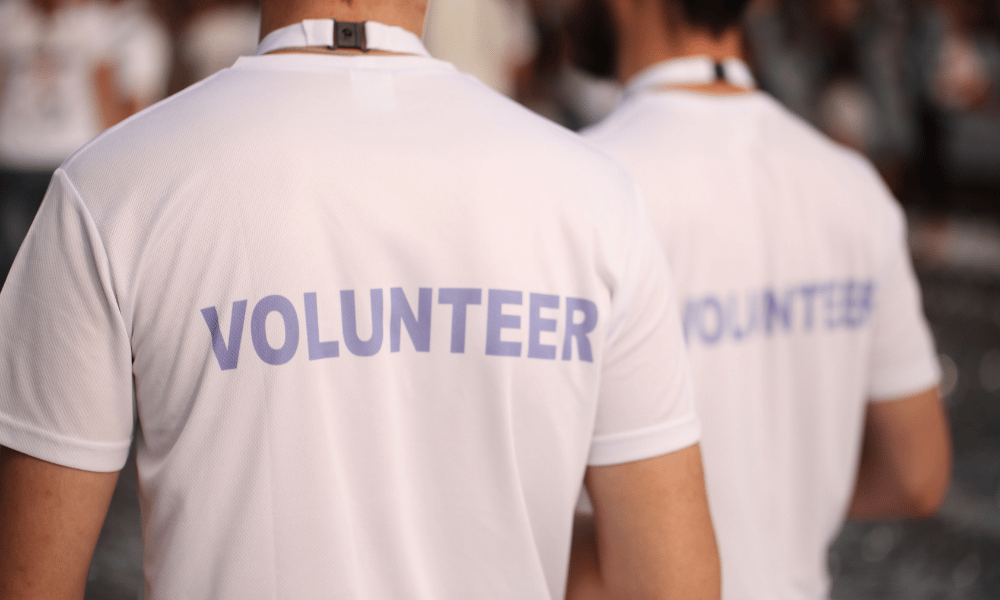
David Rae, head of people and culture at The Smith Family, is rethinking what it means to run an HR function when most of the workforce doesn't draw a wage.
The national children's charity employs about 1,000 team members and is supported by almost 6,000 volunteers – and rather than running two separate people-management systems, Rae's team has built what it calls a "One Workforce" philosophy, treating paid staff and volunteers as a single, integrated workforce united by shared purpose.
"At The Smith Family, we've adopted a 'One Workforce' philosophy that recognises employees and volunteers as a single integrated workforce united by a shared purpose," Rae said. "Rather than operating separate people management structures, our new people and culture model is designed to provide a consistent experience across the team member lifecycle, while recognising the different relationships employees and volunteers have with the organisation."
Under the new model, volunteer management is no longer boxed off into a standalone function. Instead, Rae said, volunteer-related responsibilities are embedded across every people and culture domain – workforce planning, learning and capability, people partnering, employee and volunteer services, systems, data, communications, wellbeing and engagement.
"This approach enables us to provide more consistent support, leverage common systems and processes, build shared expertise across the team and create a more seamless experience for everyone who contributes to our mission," he said.
The scale involved explains why the shift mattered, with volunteers outnumbering paid staff nearly six to one.
"A key reason for adopting our One Workforce approach is the scale and importance of both groups," Rae said. "We wanted our people and culture operating model to better reflect the reality that both employees and volunteers contribute significantly to achieving our organisational purpose and should benefit from a coordinated people strategy and support model."
That balancing act sits inside a broader shift across Australian HR functions, as employers grapple with more complex, blended workforce models spanning contractors, gig workers, volunteers and full-time staff.
What actually changes when one team supports both workforces
Rae was careful to draw a distinction between structural separation and functional integration. "Historically, many organisations, including not-for-profits, have managed employees and volunteers through separate structures. Our new model deliberately moves away from that approach," he said.
"The key difference is not that employees and volunteers are managed separately, but that the same people and culture capabilities now support both workforces wherever practical."
In practice, that means:
- People partnering provides strategic workforce planning, advice and support for both employee and volunteer populations
- People services supports onboarding, screening, administration, compliance and workforce coordination across both groups
- Culture and capability supports learning, development, engagement and leadership capability for employees, volunteers and volunteer managers
- Delivery enablement and optimisation provides systems, data, reporting and continuous improvement that benefit the entire workforce
Rae said VIEW, the organisation's dedicated volunteer function, retains a specific focus within the broader people and culture team, and that cross-skilling across employee- and volunteer-facing roles is planned as the model matures.
Getting that boundary right matters well beyond The Smith Family. HRD has previously reported on a Fair Work Commission ruling that tested whether a nominally unpaid worker was actually an employee, and more recently on renewed scrutiny of volunteer classification in the education sector – both reminders that blurring the line between paid and unpaid work carries legal as well as cultural risk.
The daily challenge of consistency without losing flexibility
Even with a unified model, Rae said the day-to-day management of volunteers throws up problems that don't exist on a conventional payroll. "One of the biggest challenges is balancing consistency with flexibility," he said.
"Volunteers contribute in different ways, have varying availability and are often motivated by purpose rather than employment obligations. As organisations grow, there can also be a risk that volunteers experience different systems, support or communications compared with paid team members."
He named maintaining engagement across a geographically dispersed volunteer base, consistent onboarding and safeguarding compliance, equipping volunteer managers with the right tools, and managing workforce data across multiple worker types as ongoing pressure points for his team.
"Our response has been to embed volunteer expertise across the people and culture function, supported by common systems, shared processes and cross-functional collaboration," Rae said. "The goal is to create a simpler, more consistent experience while maintaining the specialised support volunteers and volunteer managers require."