Closing the participation gap starts with communication, not benefits coverage redesign, say two HR leaders
More than eight in 10 employers offer access to an employee assistance program (EAP), but only 16 per cent of employees understand the EAP benefits available to them very well, according to Dialogue’s 2025 State of workplace well-being study. For most organizations, the instinct might be to question the benefits themselves – but that response gets the problem backwards. The real issue is whether employees understand their plan well enough to use it, and what it costs the organization when they do not.
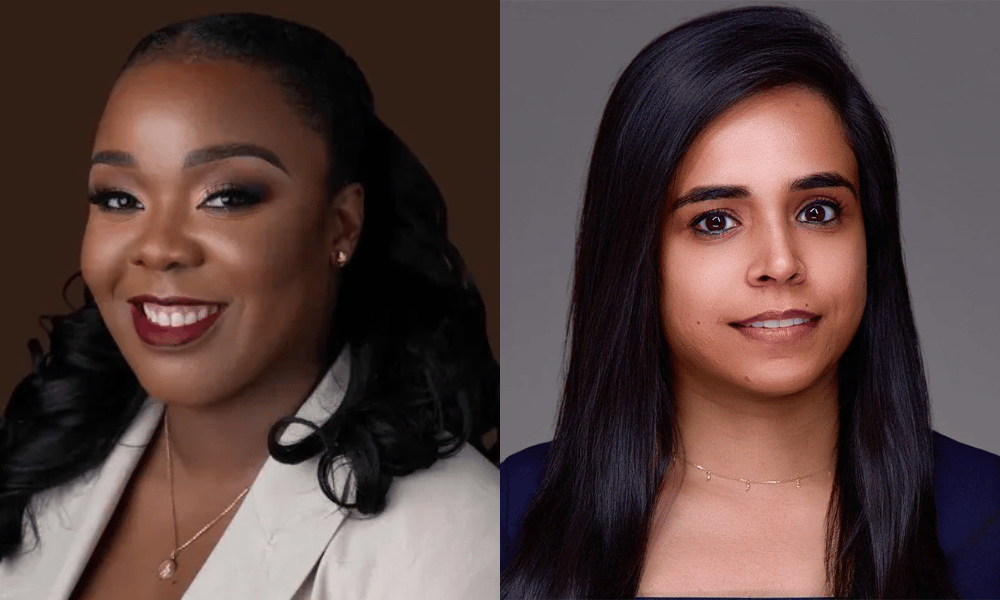
"The cost goes so far beyond just the benefits budget," says Aman Malhi, Director of People and Culture at Refrigerative Supply Limited (RSL) in Burnaby, B.C. "It shows up in attendance, morale, engagement – and it shows up in how people show up for work."
Before writing off a benefit as irrelevant, HR teams need to understand what is actually driving low participation, she says.
"Low usage alone doesn't prove that a benefit is failing," says Malhi. "There are so many benefits that, to me at least, maybe are not being used at the level that they should be because there's a lack of awareness, a lack of access, or maybe even stigma."
Low usage doesn’t mean a benefit is failing
She points to mental health benefits as an area where this distinction carries the most weight. Canadian employee wellbeing has continued to decline, yet uptake of employer-sponsored mental health supports remains persistently low across the country, as Dialogue's 2025 State of workplace well-being found. Stigma is one driver, but poor fit and inaccessible delivery formats are just as common – and each requires a fundamentally different response.
"I see a lot of mental health benefits that aren't utilized as much because maybe there's a stigma around it, or just poor fit, or offering people something that they don't even need," she says. "And so all of those – the awareness, access, stigma, poor fit – need different solutions."
That is where a skilled HR team and a strong benefits broker make the difference, Malhi said. "Just making sure that the investment is very intentional and focused to make sure that the benefits that are being offered are actually being utilized."
People can't use benefits they don't understand
Isioma Coker, Human Resources Director at SaskTel in Regina, Saskatchewan, named the root cause plainly: open enrolment – the annual email asking employees to sign up for coverage – is designed to inform, not educate, and that distinction drives most of the participation gap.
"Do you actually understand what the coverage is? Do you understand how to maximize the best out of your plan?" she says.
Coker came to this conclusion directly. When she joined SaskTel to lead total rewards, she found herself unable to navigate the plan she was responsible for managing.
"When I came in, I was confused by the benefits – I'm supposed to be leading total rewards, and I was like, 'I can't find anything. I don't really understand,'" she says. "And I sat down with my benefits manager and I said, 'Can we make this easier? Can we talk about our benefits and really tie it into our employee value proposition?'"
What followed was a targeted communication campaign – not a redesign of the plan, no new coverage, and no added cost.
"I was actually really solving the problem for myself, if I'm being very honest, but [the benefits manager] took that on and developed the whole website, started the campaign, started doing lunch-and-learns, and started educating our employees," says Coker.
Nothing about the plan itself changed, but the results showed up in SaskTel's next employee engagement survey. Scores on whether employees understood their benefits rose by four to five points compared to the previous year, while satisfaction scores also climbed.
"Just by doing absolutely nothing, only just talking about the plan, telling people what they have available, and getting that messaging consistent, we saw moves from our employees that we weren't actually expecting and we were pleasantly surprised by," says Coker.
"You're going to see it in sick leave, you're going to see it in people's attendance records, because they just don't understand what's available to them," she says. "Those benefits are there for a reason because we do need employees to be at work with their full best."
Beyond open enrolment: what it takes to close the gap
At RSL, Malhi applied the same communication-first logic to mental health specifically. The company partnered with Dialogue, a virtual platform that delivers mental health services through an app – a format designed to lower both access and stigma barriers that suppress uptake of traditional offerings.
"I was cynical when I first heard about it and I didn't know how many people want to jump on a phone to access mental health," says Malhi. "And I have been proven wrong because it is very popular with our workforce."
Malhi keeps employees connected to the platform through simple, recurring campaigns rather than formal communications.
"We do campaigns throughout the year, and sometimes we do very simple campaigns like, who has walked the most steps in a month," she says. "That's very simple, but it gets people walking. It creates competition. It helps people step away from work."
Explaining benefits on employees’ own terms
The broader principle Malhi applies across her portfolio is that different employees – across generations and life stages – do not necessarily need different benefits. They need the same benefits explained in ways that are relevant to where they are.
"I think you don't necessarily really need a different benefits program for every generation," says Malhi. "I think what you do need, though, is maybe different ways of explaining the value of the same program. The underlying benefit is the same, but the conversation is so different."
Malhi's approach to people and culture at RSL reflects a principle both leaders share: the quality of the conversation around benefits determines how much value employees actually draw from them.
Coker says her experience overseeing benefits at SaskTel has shown her that the gap between what employers offer and what employees understand is costing both sides more than either is measuring. The fix, both she and Malhi agree, doesn’t start with a better plan. It starts with a better conversation.
"Not to say that [employees] probably aren't also looking for more from the benefits plan, but they're looking for whatever it is that we do to be simple, to be easy, to be accessible to them, and for us to always have them in mind with whatever it is that we're designing," says Coker. "But that first decision is, before we even dig into this, how are we designing it with a user experience in mind?"