‘We’re leveraging our strengths here to get major projects built, create good jobs, and invest in skills training’
British Columbia is accelerating its Look West economic strategy with $88 billion in proposed major projects over the next three years and 17 new projects added to its priority list — a scale of activity the B.C. government says will create “tens of thousands of jobs in B.C. communities”.
The expanded pipeline will generate substantial long‑term revenue for public services and keeps B.C. on track to meet its goal of securing $200 billion in private‑sector investment by 2035, according to the provincial government.
“At a time when countries around the world are looking for responsibly developed resources and stable trading partners, this is British Columbia’s moment,” said Premier David Eby. “Through our Look West plan, we’re leveraging our strengths here to get major projects built, create good jobs, and invest in skills training so people can step into these opportunities and earn bigger paycheques. This is how we create long‑term prosperity to support the public services that make us all better off.”
Look West, launched in November 2025, is designed to deliver major projects faster, diversify away from over‑reliance on U.S. trade and expand skills training to support growth sectors.
Priority projects snapshot
The B.C. government says adding 17 projects “to its list of priority projects to support their progress” nearly doubles the original priority roster under Look West. These files are slated for faster permitting and closer co‑ordination across ministries and regulators.
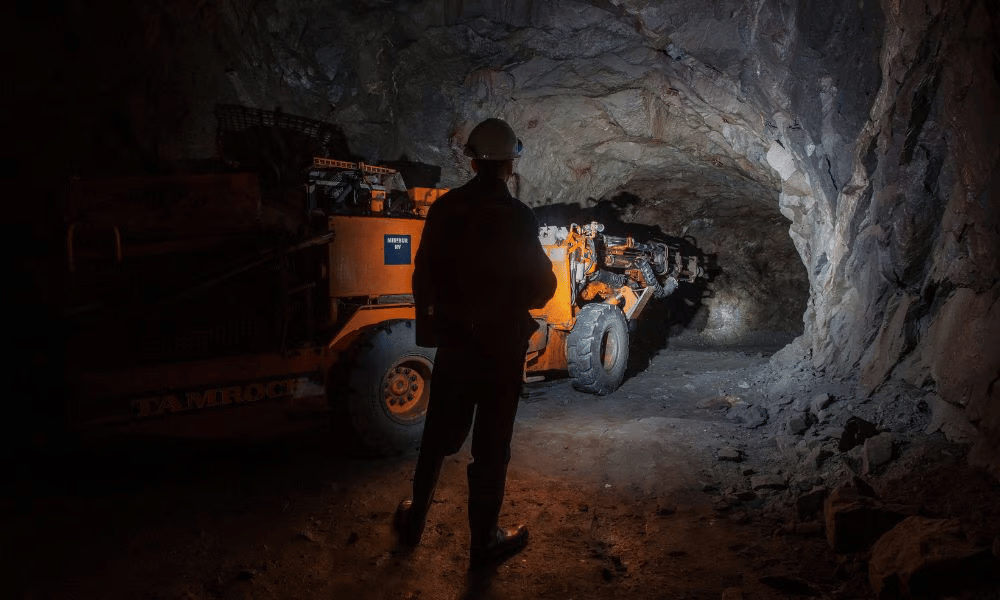
New additions span mines, mine extensions, LNG developments, and associated pipelines and transmission projects.
|
Category |
Project |
|
Mine |
Red Mountain |
|
Baptiste nickel |
|
|
Yellowhead Copper |
|
|
Mine extension |
Fording River |
|
Copper Mountain – New Ingerbelle |
|
|
LNG development |
LNG Canada Phase 2 |
|
Ksi Lisims LNG |
|
|
Woodfibre LNG |
|
|
FortisBC Tilbury LNG – Phase 2 |
|
|
Pipeline / transmission |
Enbridge T‑South (Sunrise) expansion |
|
Pembina NGL expansions |
This clustering of megaprojects will draw heavily on shared pools of skilled trades, technical staff and project managers — a critical concern for HR professionals overseeing regional and national talent strategies.
Ravi Kahlon, Minister of Jobs and Economic Growth, said the Province is pushing ahead despite global instability.
“The global uncertainty from U.S. tariffs and the war in Iran are having real impacts on people and businesses, but we're not backing down or waiting,” he said. He added that “40% of the federal government’s priority major projects are right here in B.C.,” and the Province will submit its expanded list to Ottawa to keep growing “a strong, national economy that can stand on its own.”
Key Look West numbers
|
Metric |
Figure |
|
Proposed major‑project investment (next 3 years) |
$88 billion |
|
Private‑sector investment goal (by 2035) |
$200 billion |
|
New priority projects added |
17 |
|
Jobs from 2024 call‑for‑power projects (construction) |
≈2,000 annually |
|
Increase in provincial electricity supply |
≈8% (≈5,000 GWh per year) |
|
New trades training seats (next year) |
Up to 5,000 |
Recently, Ontario and the federal government announced they are moving in tandem to secure Canada’s critical minerals future, using this week’s Prospectors & Developers Association of Canada (PDAC) convention in Toronto to spotlight new policy moves.
Mining, LNG, clean energy and skills
Mining and critical minerals are a core pillar of Look West. Since the strategy launched, the B.C. government says five major mines have been permitted, including the Highland Valley Copper and Mount Milligan extensions, the Eskay Creek mine and Copper Mountain’s expansion.
Mining already supports “more than 40,000 family‑supporting jobs in B.C.,” and expansions at Mount Milligan and Copper Mountain, plus the reopening of Eskay Creek, are expected to create or sustain more than 1,370 jobs and add about 1,000 construction and 770 operational jobs at Eskay Creek alone, according to the provincial government.
On the power side, the B.C. government has designated the North Coast Transmission Line a “cornerstone” project, with construction expected to begin this summer, and has made the BC Energy Regulator the primary regulator for renewables and major transmission. Clean‑energy projects from BC Hydro’s 2024 call for power represent about $6 billion in private investment.
To help meet associated workforce needs, the Province is committing $241 million over three years to double trades training funding and open up to 5,000 new trades seats in the next year.
Ottawa will host the new Canada Investment Summit in Toronto later this year. The government says it intends to use the summit to steer capital into clean energy, critical minerals, artificial intelligence, and other technologies — sectors it argues will generate thousands of high‑paying careers.
Welcome news in B.C.
A couple of stakeholders have shared positive feedback on the recent development out of B.C.
“The province understands that people are the critical factor in unlocking our province’s prosperity,” said Brynn Bourke, executive director, BC Building Trades. “The government is investing in people through transformational investments in apprenticeship training. Those dollars will ensure that people are not only entering the skilled trades, but also obtaining their Red Seal and securing jobs. We’re working closely to align workforce development training with the labour demands these major projects are forecasting.”
Chief Daniel Manuel of the Upper Nicola Band said they look forward to advancing the sniwt iʔ k̓ʷul̓mntn Wind Project.
“This important initiative will provide economic benefits, employment and training opportunities, energy security and most importantly recognition of syilx traditional laws and practices and of our enduring connection to our tmxwulaxw, while providing opportunities for meaningful reconciliation during this period of geopolitical instability.”