Union says employer is waiting around and ‘working around this strike’
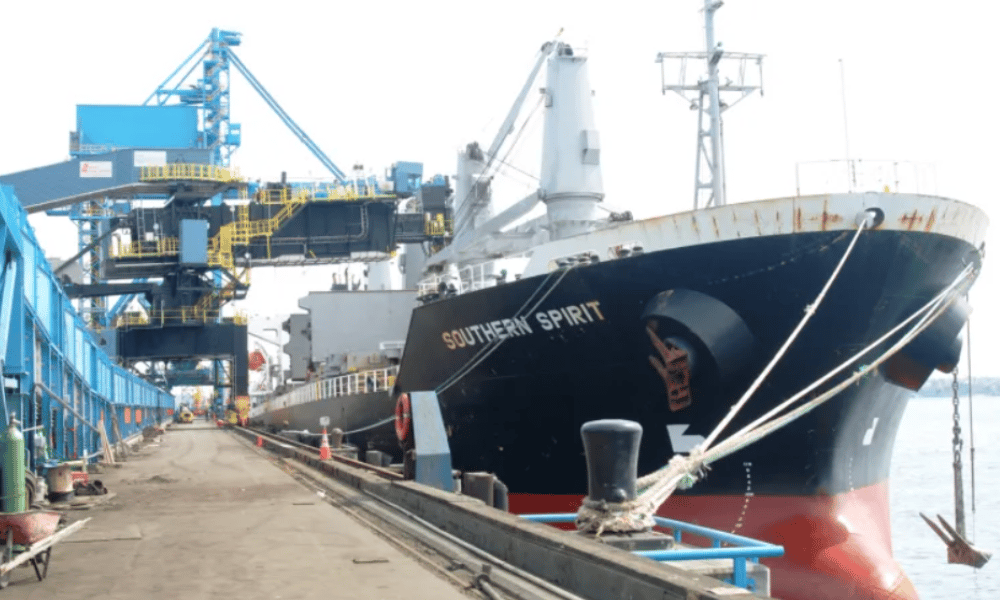
A B.C. port has filed a lawsuit over a “hot edict” in a copper mine strike.
PKM Canada Services, operator of Vancouver Wharves Terminal in North Vancouver, and the British Columbia Maritime Employers’ Association filed the claim in the Supreme Court of British Columbia on Nov. 10, 2026, Courthouse News Service reported.
It targets United Steelworkers (USW) Local 7619 and the BC Federation of Labour (BCFED), seeking damages and an injunction backed by police.
The dispute began at Teck Resources’ Highland Valley Copper mine near Logan Lake, B.C., where USW Local 7619 represents 1,277 workers, according to local news on Castanet. They walked out on Oct. 24, 2026, after their contract expired Sept. 30. Castanet has since reported falling hotel and liquor sales in the town.
What the port operator alleges
The claim centres on secondary picketing, which means picketing away from the strikers’ own workplace. PKM argues the practice is barred by B.C.’s Labour Relations Code, and that hot edicts are not allowed under the Canada Labour Code, Courthouse News reported.
A hot edict asks affiliated unions not to handle an employer’s products until a dispute ends. BCFED’s Nov. 6 edict covers copper concentrate, molybdenum concentrate and other mine products, including material in storage or transit, according to BCFED’s declaration.
PKM claims longshore workers refused to handle the material or cross picket lines, and that “at least one vessel has been unable to dock to load its cargo as scheduled.” It says this continued despite interim orders from the Canada Industrial Relations Board (CIRB) and the B.C. Labour Relations Board (LRB). None of the allegations has been proven.
Teck and union trade legal blows
Teck’s Highland Valley Copper subsidiary filed its own claim on Nov. 9, Castanet reported. It seeks injunctions against alleged blockades at the mine and the terminal, and against alleged intimidation by picketers.
The union counters that Teck is breaching B.C.’s replacement worker ban. Kyle Wolff, president of USW Local 7619 in Logan Lake, told The Tyee earlier this month that managers were running equipment to keep the mine going. “If they’re safe, if they’re certified, I have no idea,” he said.
Sussanne Skidmore, BCFED president in Burnaby, B.C., cast the edict as a response to that tactic. “A hot edict is an exceptional step to take. But it’s become clear this employer believes they can wait out their workers and operate around this strike and B.C.’s anti-scab law,” she said in a statement. Teck, for its part, told Castanet it remains committed to “reaching a negotiated collective agreement that is fair, responsible and supports the long-term success of our BC employees, operation and communities.”
Why secondary picketing matters for employers
B.C. bans replacement workers during lawful strikes while limiting where unions may picket. That trade-off was reinforced when the B.C. Court of Appeal upheld the ban on out-of-province replacement workers.
That balance also splits jurisdiction. The LRB says it decides whether picketing is lawful, including its location and timing, while picket-line conduct may fall to the courts. The parallel court and board proceedings could clarify that line, as federally regulated employers such as ports also adjust to Ottawa’s Bill C-58 ban on replacement workers in federally regulated workplaces.
Employers in federally regulated sectors may need to map where struck goods move, review contracts with logistics providers for clauses covering labour disruptions and confirm which labour code applies. Strong employee relations also feature in rankings like Best Places to Work in Canada: The Listening Advantage.
File photo from the BC Marine Terminal Operators Association