‘Reservists in B.C. step up when their service is most needed and they deserve peace of mind while fulfilling their duties’
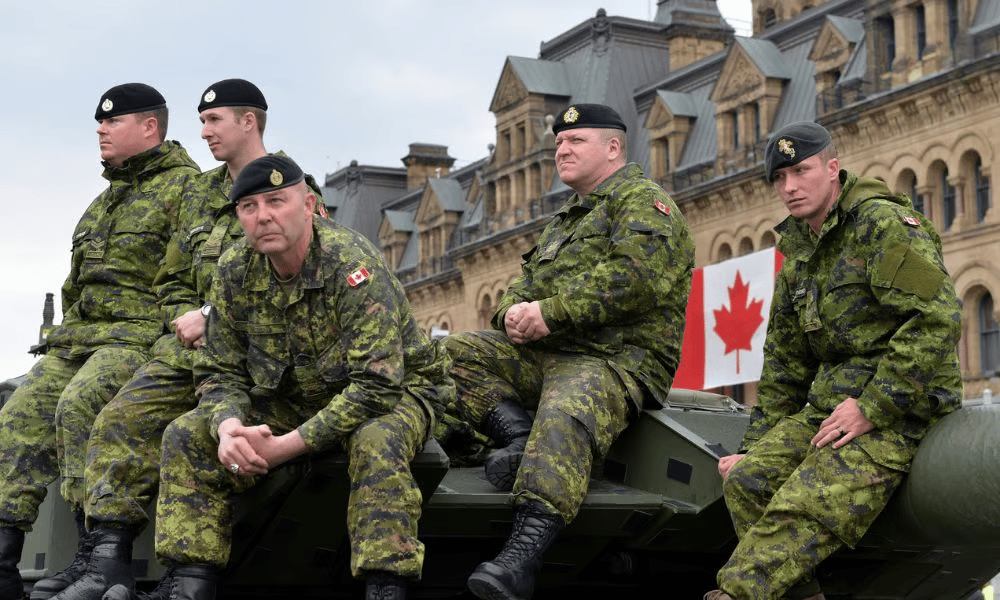
HR professionals in British Columbia must now track a significantly longer job-protected leave entitlement for employees who serve as Canadian Armed Forces reservists, after amendments to the province's Reservists' Leave Regulation came into force Aug. 6, 2026, allowing a combined leave of up to 24 months within any 60-month period for training, deployment preparation and deployment, according to the Province of British Columbia.
The previous entitlement limited reservists to a maximum of 20 days of training leave annually, a cap the provincial government said no longer matched the demands of modern reserve service. The amendments align B.C. with national standards already in place in other provinces.
Deployments within Canada tied to national emergencies, such as flood or wildfire response, remain exempt from the 24-month cap and are not counted against an employee's leave allotment. Employers must therefore track two distinct leave categories rather than a single combined entitlement.
"We owe our gratitude and respect to service members who risk their lives to protect our country and support our communities," said Jennifer Whiteside, B.C.'s Minister of Labour, in the announcement. "Reservists in B.C. step up when their service is most needed and they deserve peace of mind while fulfilling their duties."
Notice and eligibility rules
Under the Employment Standards Act, reservists' leave applies to all eligible employees regardless of length of service, meaning employers cannot impose tenure-based eligibility thresholds. Employees must give at least four weeks' advance notice of training or deployment.
Where deployment is ordered on short notice, employees are only required to provide notice "as soon as possible," a lower threshold that HR teams should incorporate into staffing contingency plans. The Province of British Columbia said the amendments also give employers "more clarity about military leaves."
Employers may also qualify for financial support through the federal Compensation for Employers of Reservists Program, which can offset the cost of accommodating extended absences.
|
Aspect |
Previous Rule |
New Rule (effective Aug. 6, 2026) |
|
Training leave duration |
Maximum 20 days annually |
Up to 24 months combined within any 60-month period |
|
Leave purposes covered |
Training only |
Training, pre-/post-deployment activities, and deployments |
|
National emergency deployments |
Not specified as exempt |
Exempt from the 24-month cap entirely |
|
Eligibility |
Available under Employment Standards Act |
Unchanged — available to all eligible employees regardless of tenure |
|
Advance notice (standard) |
Not detailed in this release |
At least four weeks |
|
Advance notice (short-notice deployment) |
Not detailed in this release |
"As soon as possible" |
|
Employer financial support |
Not addressed in the amendments |
Employers may qualify for the federal Compensation for Employers of Reservists Program |
|
Alignment |
B.C.-specific provisions since 2008 |
Brought in line with other provinces' national standards |
Scale and context
B.C. is home to approximately 3,000 reservists across the Royal Canadian Navy, the Canadian Army — including the Canadian Rangers — and the Royal Canadian Air Force, according to the provincial government. Since 2017, more than 1,000 B.C.-based reservists have been deployed within the province for emergencies including the COVID-19 pandemic, floods and wildfires.
Rear-Admiral Michael Hopper, Chief of Reserves for the Canadian Armed Forces, said employer accommodation directly supports national defence capacity. "Employer support is not secondary to Canada's defence. It is foundational," Hopper said. "By supporting reservists, the B.C. government is investing in its own people, strengthening its small and medium-sized businesses, and directly contributing to Canada's safety and resilience."
Parliamentary secretary Darlene Rotchford said the changes are intended to keep reservists "connected to their careers and communities." B.C. first introduced job-protected leave for reservists in 2008, and the provincial government said all Canadian provinces have since expanded unpaid leave entitlements for reservists.