The generations filling senior HR roles have differing approaches and perspectives that can fit well together
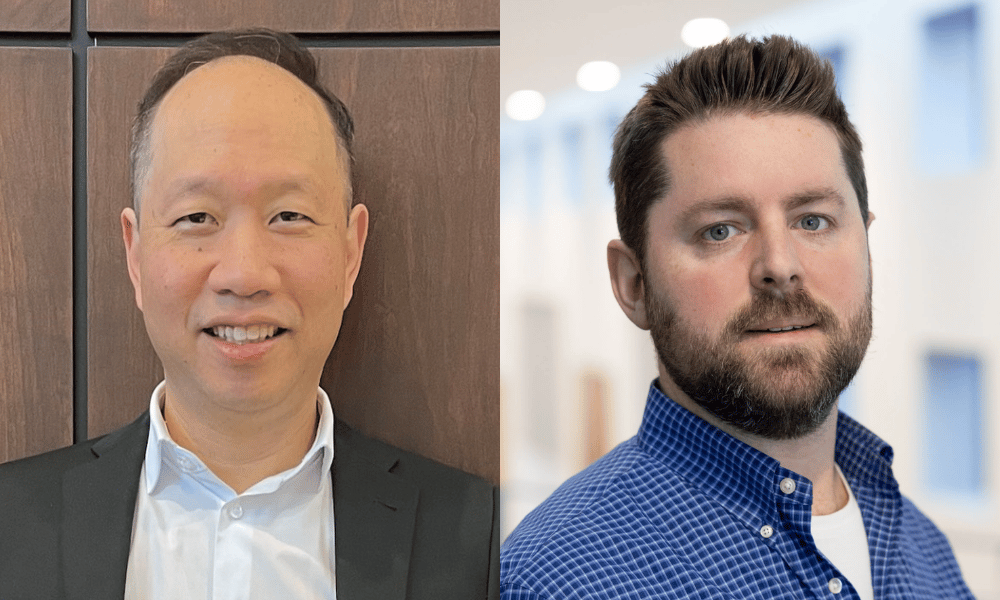
Human Resources has always reflected the workforce it serves. As organizations navigate talent shortages, artificial intelligence, hybrid work, and changing employee expectations, an interesting dynamic is emerging within HR: the profession is increasingly being changed by leaders from Generation X and millennials who bring distinct perspectives to the table.
While every individual is unique, generational experiences often influence how HR professionals approach their work. Neither generation is right nor wrong. In fact, the most effective HR functions are often those that leverage the strengths of both.
The future of HR may depend on understanding how these two generations see the world differently and where those perspectives intersect.
Generation X: The pragmatists
Thomas Byun, global director of Talent Acquisition at Hatch: “Generation X HR professionals like me came of age in a workplace that largely rewarded loyalty, hierarchy, resilience, and self-sufficiency. All of my cohort entered HR when personnel administration was evolving into strategic human resources. We witnessed the rise of globalization, the transition from paper to digital processes, and multiple economic downturns that emphasized efficiency and adaptability.”
As a result, many Gen X HR leaders tend to value:
- Accountability over activity
- Results over visibility
- Independence over constant collaboration
- Organizational stability alongside employee experience
- Practical solutions rather than theoretical ideals.
A Gen X HR leader is often skeptical of workplace trends until proven effective. They have likely experienced enough management fads to know that not every new idea survives contact with reality.
When a new employee benefit is proposed, a Gen X HR professional may ask: "How will we measure success?"
Before investing in a new talent platform: "What's the return on investment?"
Before redesigning performance management: "What business problem are we trying to solve?"
Their perspective keeps HR grounded and connected to organizational outcomes.
Millennials: the connectors
Millennial HR professionals like Andrew Balfour, HR business partner at Hatch, entered the workforce during a very different period.
Balfour: “My cohort experienced a global financial crisis early in our careers, witnessed the rise of social media, and became accustomed to rapid technological change. We entered organizations that increasingly emphasized collaboration, inclusion, feedback, and purpose.”
As a result, many millennials bring a different set of instincts to HR.
They often prioritize:
- Employee experience
- Often measured through surveys and other feedback channels in coordination with management, such as “stay interviews”
- Transparency
- Empathetically relaying corporate positions on policies and best practices to employees
- Continuous feedback
- Championing performance reviews and consistent models of employee feedback
- Diversity and inclusion
- Organizing, facilitating, and attending events that demonstrate the organization’s commitment to integrating and celebrating various populations within its workforce
- Flexibility and wellbeing
- Fully incorporating mental health-focused benefits, such as an EFAP, into the HR operations model, and broadening the scope of group benefits coverage to supplement these offerings
- Technology-enabled solutions
- Embracing new platforms and software, such as chatbots, as a means of providing an efficient and modern interface with employees.
When presented with the same challenges, millennial HR professionals may ask different questions.
Instead of focusing first on ROI, they may ask: "How will employees experience this change?"
Instead of measuring only productivity, they may ask: "How will this impact engagement?"
Instead of concentrating solely on retention, they may ask: "Would employees recommend this organization to others? What is the organization’s brand and reputation in the market?”
Millennials tend to view culture as a strategic asset rather than a soft concept. They often see technology as an enabler of better human experiences rather than simply a tool for efficiency.
The great debate: Work-life balance
Perhaps nowhere do generational differences emerge more clearly than in discussions about work-life balance.
“A Gen X HR leader who spent years climbing corporate ladders may view flexibility as earned,” says Thomas. I personally do not share this view. However, I do believe that flexibility is not an entitlement either.
A millennial HR leader is more likely to view flexibility as fundamental.
The Gen X perspective often sounds like: "Work hard, prove yourself, and opportunities will follow."
The Millennial perspective sounds more like: "People perform better when organizations trust them."
Interestingly, both viewpoints contain truth.
Organizations need commitment and accountability. They also need flexibility and trust.
The challenge for modern HR is not choosing one side but balancing both.
Technology: Tool versus transformation
Most Gen X HR professionals experienced technology as something that gradually improves existing processes. Millennials often experienced technology as something that fundamentally changes how people live and work.
Consequently, a Gen X HR leader may evaluate AI by asking: "How much time will this save?"
A millennial HR leader may ask: "How could this redefine the employee experience?"
Again, neither perspective is superior. Organizations need efficiency gains. They also need innovation. In many ways, the most successful AI implementations occur when Gen X pragmatism meets millennial optimism.
What each generation can learn from the other
The healthiest HR organizations avoid generational tribalism. Gen X professionals can learn from millennials' willingness to challenge outdated practices and put employee experience at the center of decision-making.
Millennials can learn from Gen X leaders' focus on business fundamentals, organizational realities, and disciplined execution.
One generation asks: "Can we do this?"
The other asks: "Should we do this?"
Strong HR functions ask both questions.
The future belongs to blended leadership
As Generation Z increasingly enters HR and senior Gen X leaders begin transitioning toward retirement, the profession finds itself at an important intersection. The next chapter of HR will not belong exclusively to one generation; it will belong to organizations capable of blending different perspectives into a coherent strategy as workforces age and new generations enter.
The future HR leader may think like a Gen X pragmatist when discussing business outcomes, a millennial when designing employee experiences, and a Gen Z professional when embracing new technologies and ways of working. That is not a contradiction – it is evolution.
And perhaps that is the greatest lesson generations can teach each other. The best HR leaders don’t cling to the values of their generation. They adopt the best ideas from every generation that follows. In the end, HR has never really been about generations. It has always been about people.
Thomas Byun is Global Director of Talent Acquisition at Hatch and Andrew Balfour is a Senior HR Business Partner at Hatch.