Canadian Forces personnel identified among more than 200 Canadian users; DND investigating potential breach of values, code of conduct
When a white supremacist dating platform billed as a “Tinder for Nazis” was wiped off the internet by a hacker earlier this winter, the story sounded like something out of a tech thriller. But for Canadian employers, the fallout could be very real.
The site, called WhiteDate, catered to people whose profiles openly embraced fascism, “national socialism” and explicitly racist ideology. A hacker using the pseudonym Martha Root said she infiltrated the platform, used an AI chatbot to build trust with users and then deleted WhiteDate and affiliated services after first copying their data, according to technology and science news site Futurism.
According to a report by CBC, Root trained a chatbot on a large language model to pose as a like-minded user on WhiteDate, gathering conversations and personal details before the site’s operators noticed anything was wrong. They later helped make the data searchable through a site called OKStupid and shared the trove with the transparency collective Distributed Denial of Secrets, which released it under the name “WhiteLeaks,” reported Futurism.
At the annual Chaos Communication Congress in Germany in December 2025, Root deleted the servers of WhiteDate and two other white supremacist sites during a presentation.
Canadian military personnel on white supremacist site
Among the user records, researchers have identified more than 200 Canadians, including three serving members of the Canadian Armed Forces, according to a CBC News investigation in co-operation with the Canadian Anti-Hate Network. The three military personnel include a naval reservist, a communications engineering officer with the Royal Canadian Air Force, and corporal in a senior reserve infantry regiment based in Ottawa.
Those findings sit beside the Canadian military’s commitment to dismantling systemic racism, and they create immediate implications for civilian employers. Service members transition in and out of civilian roles every year, with many reservists holding day jobs in the federal public service, policing, private security, aviation, information technology, and energy. If an employee in one of those sectors appears in the WhiteDate data, HR leaders will face hard decisions at the intersection of workplace safety, privacy, and due process.
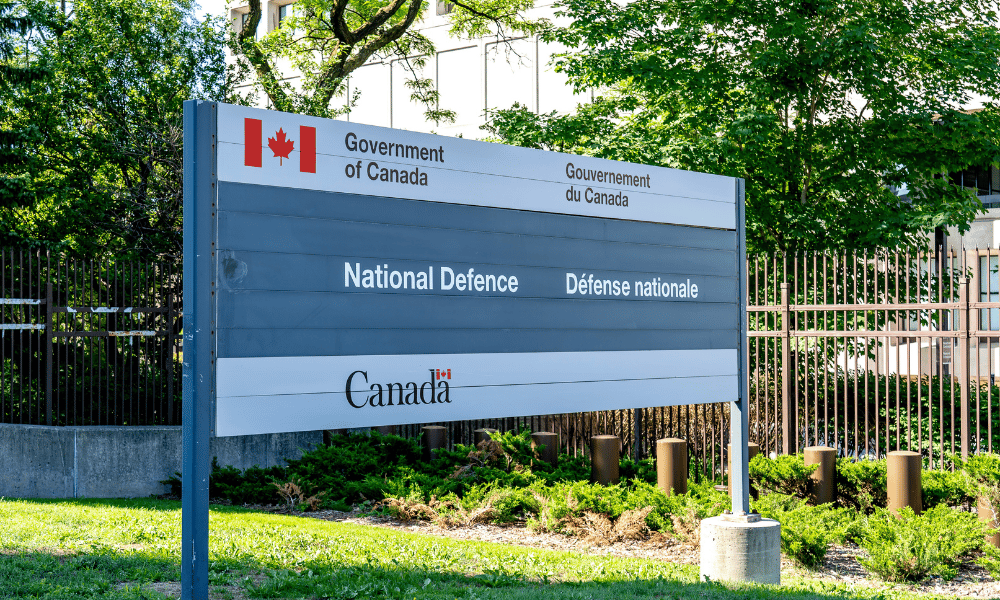
The Department of National Defence (DND) told CBC News that it was investigating the individuals revealed in the investigation, emphasizing its expectation that members of the Canadian Armed Forces uphold its values in their activities.
Security, safety risks
The WhiteDate leak isn’t just about online hate — it’s a reminder of how employers can respond when credible evidence emerges that an employee may be involved in extremist spaces outside of work.
Experts on radicalization have long warned that the presence of violent far-right sympathizers inside the military and security institutions can amplify the risk that training, weapons skills, or sensitive information will be misused. The same logic applies, on a different scale, in workplaces that handle critical infrastructure, explosives, dangerous goods, financial systems, or large volumes of personal data.
There is also the impact on psychological safety and inclusion for workforces. Employees who are racialized, Indigenous, Jewish, Muslim, 2SLGBTQ+, or otherwise targeted by white supremacist rhetoric may reasonably question whether they can trust a colleague who actively sought out a whites-only dating community. Left unaddressed, that mistrust can erode team cohesion and drive attrition.
For any organization faced with these circumstances, reputational risk is also a concern. Past breaches involving controversial websites have shown how quickly leaked membership lists can become a public scandal when they include public servants, military members, or executives. In a social media environment that moves faster than most investigative processes, employers that appear indifferent to credible allegations of extremist involvement may find themselves on the defensive.
Solidify code of conduct, policies
For HR leaders, the WhiteDate reveal is a prompt to stress-test policies and processes well before a crisis hits.
Start by ensuring your code of conduct and anti-discrimination policies clearly address off-duty conduct that’s incompatible with a safe and inclusive workplace. That doesn’t mean policing every aspect of employees’ private lives, but it does mean clarifying that participation in organized hate — including membership in groups or online spaces that promote white supremacy or Nazi ideology — may trigger a fitness-for-duty review.
Next, review the investigative playbook. If an employee is tied to a white supremacist site, HR should have a structured process for assessing credibility, preserving evidence, and notifying security, legal and, where appropriate, law enforcement. That process should include safeguards for employee privacy and due process, including an opportunity for the individual to respond and access to union representation if applicable.
Third, coordinate with security and IT teams on monitoring and threat assessment. While organizations must avoid indiscriminate surveillance of employees’ online lives, they are expected to act on specific, credible information that someone with access to sensitive systems or facilities may pose a risk. In sectors that work closely with the DND or other security agencies, HR should ensure that their response plans align with contractual security requirements.
Finally, invest in prevention. Anti-racism training, bystander intervention programs, employee resource groups, and clear leadership messaging can all help set expectations about acceptable behaviour and make it easier for employees to speak up if they encounter extremist views at work.