Chief People Officer discusses maintaining a clear culture while tripling the workforce and leading AI workforce transformation in the insurance industry
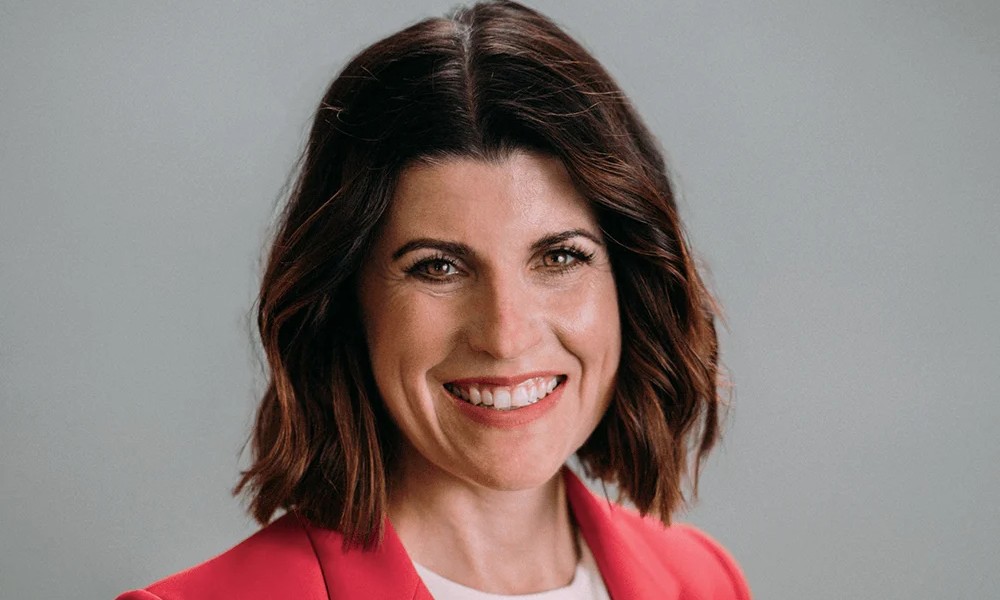
When Keri Fraser joined Surrey, BC-based Westland Insurance Group in 2019, the company had approximately 1,100 employees and a mandate to scale fast. Today, it employs roughly 3,500 people across Canada, making it one of the country's largest independent insurance brokerages, according to Fraser, Westland’s Chief People Officer. And she says she’s been at the centre of every step of that transformation — with a clear view of what people leadership in a high-growth, acquisition-driven company actually demands.
“Since I joined, we've tripled in size,” says Fraser. “We have a fast integration model, meaning you join us and within 60 days, you're actually going to get onboarded, integrated, and learn about our culture."
Westland's growth has been relentless. The brokerage trades more than $4 billion in premium across multiple segments and has made several acquisitions across Ontario, Alberta, and British Columbia. For Fraser, managing culture through that pace of change starts with clarity.
“There's a lot of clarity on the pieces of our culture that we want to maintain — that's really at the heart of who we are from the beginning,” says Fraser. “But then there are aspects of our culture that we want to evolve and we've decided to evolve. Otherwise it just happens. Culture happens.”
Supporting culture through rapid integration
That intentionality extends to integration. Fraser's people and performance team — Westland's name for its HR function — is on-site within 30 days of any acquisition closing, introducing new employees to the company's values and programs. The goal is to prevent the creation of different subcultures from taking hold before the broader culture has a chance to land, according to Fraser.
“People have questions. That's what they want to know, and I think that's really our best chance to hang on to those cohesive pieces of our culture,” she says.
An outsider's perspective
Fraser came to insurance from Colliers International, the commercial real estate firm, which had a culture she describes as “fast-paced and sales-driven.” As a result, she arrived at Westland with a different, outsider lens.
“Coming into the insurance brokerage space, there's a real caring, kind culture, but now it's shifting to hanging onto the care, but also to be more sales-oriented and high performing," she says, adding that sales was treated like a scary word. “But really what we're doing is we're advising clients on all the products and learning about them — we're not just renewing a policy — so that's something that from an outsider's perspective I was able to bring, that high-performing sales aspect.”
That cross-industry experience has also shaped how she thinks about people leadership more broadly. One lesson from earlier in her HR career that she still carries today as a strategic HR leader, is learn and understand the business, she says: “Better business leader, better HR leader — that's a really key one.”
Leading AI as a workforce transformation, not a technology project
Fraser also leads Westland's workforce transformation stream within the company's broader AI strategy — a role she says she shares with the Chief Information Officer, who owns the technology architecture. Her mandate is the human side: the training, reskilling, and culture change required for AI to deliver real value.
“This isn't a technology implementation, it's actually a workforce transformation,” she says. “And if it's just treated as a technology, I think companies will just lose so much from it."
Fraser points to a pattern she sees across the industry: most organizations are investing in AI but not realizing its potential. She believes that 80 per cent of companies using AI aren’t getting the value from it, and that’s because workforce change is being treated as secondary to the technology itself.
Westland is taking a different approach — using AI as an engine for growth rather than a justification for headcount reductions, according to Fraser. “We're approaching it as an opportunity to drive growth, not to just lay off employees, and bring our employees along with us, not leave them behind.”
DEI commitment in a shifting climate
One of Fraser's proudest achievements at Westland is the Amplify Belonging initiative, the company's diversity, equity, and inclusion (DEI) program, which she says was built entirely from scratch. The program has earned external recognition and now has seven or eight employee resource groups (ERGs) that employees have launched independently, with each member of the executive team sponsoring a different DEI stream, according to Fraser.
“It feels quite embedded into our culture and has come quite a long way,” she says.
In an environment where some Canadian organizations have quietly renamed or reduced their DEI programs in response to political pressure from south of the border, Westland hasn’t blinked. Fraser says the company has maintained its budget, continued growing the initiative, and has been willing to accept the cost of staying the course. “We’re going to risk losing a client rather than not having a space that's inclusive.”
Fraser says that Westland measures its success through four factors: revenue growth, client growth, operations, and employee development, and they’re all tied together. Developing the people and culture in the organization is a key driver in the success of the other factors, she says.
“One of the mandates with this role was coming in and being able to support the scaling of the business,” says Fraser. “When you're adding so many employees a year, being able to support that scale, lead the culture, and hang on to those cultural elements, I think that's a pretty big success.”