SVP of HR on safety, the employee experience, and modern HR partnership in the mining industry
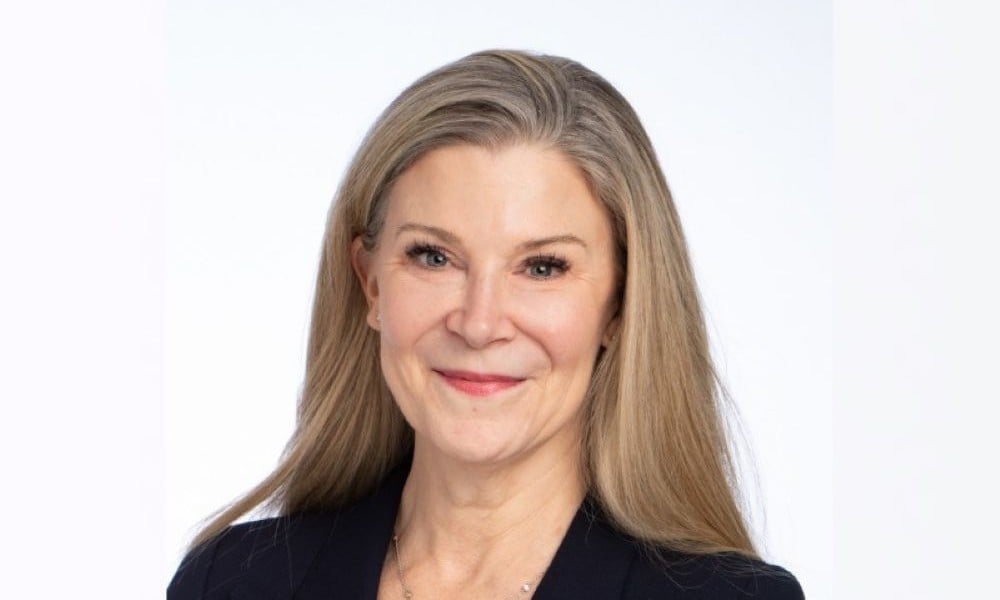
When Christine Barwell joined Wesdome Gold Mines as Senior Vice-President, Human Resources, this past March — following leadership roles in other organizations, including in the mining industry — she arrived at an inflection point for the industry. Record gold prices have triggered a wave of mine development and expansion across Canada — Canadian gold production increased by 25 per cent from 2015 to 2024, according to Natural Resources Canada.
As a result, the industry has seen an intensifying scramble for skilled workers, and for Barwell, it demanded a clear answer to a simple question: what are we offering in the employee experience? “The top priority is attraction and retention of top talent,” she says. “It's a very competitive market for talent right now, it got us thinking about where do we need to start?”
Barwell describes an HR function that has fundamentally shifted in its purpose and position. Where the discipline once operated primarily as a compliance and transaction engine, she sees its role today as something far more embedded — and far more accountable.
“Whether it's in natural resources or other industries, there has been significant evolution — HR was a little more traditional, primarily transactional, and compliance focused, but now it's critical that it's a strategic business partnership, firmly embedded in operations,” she says. She believes that partnership means working alongside operational leaders to address workforce challenges, support decision-making on people issues, foster culture, and align talent strategies with business objectives.
Understanding how the business works
Effective HR partnership, says Barwell, starts with fluency in how the business actually works. “There's a lot of growth that's happening in mining, so effective HR partnership starts with a deep understanding of the balance of the people and the operations — you need to understand what you want to put in play, what are the costs associated with that, and does it actually make sense for the business,” she says.
Understanding organizational risk — including navigating a highly competitive labour market in a remote and sometimes complex operating environment — is equally essential, according to Barwell.
In the gold mining sector, the people strategy extends well beyond the office. Safety is foundational, and so are relationships with indigenous partners and local communities, according to Barwell. “Safety has to remain top of mind for all employees, whether they're working at the mine sites or visiting from the corporate office,” she says. “Equally, relationships with our Indigenous partners and local communities are critical to how we operate responsibly and sustainably, and how we want to be perceived and remembered.”
People strategy key in competitive labour market
At the same time, Barwell sees broader industry shifts — automation, digitization, and heightening ESG expectations — not as burdens but as forces that are making the people strategy more meaningful. She says she’s observing a growing shift in what current and prospective employees want from an employer, while purpose, transparency, and corporate citizenship have become active criteria in the talent market.
“We're being more intentional about how we communicate our values, our partnerships, and our achievements, whether that's internally or externally, and ensuring we recognize our people and share the story in a way that resonates,” she says. “We have to be very intentional about building the right culture, one that supports our employees, their values, and their contributions, and creates an environment where they want to build a sustained career.”
Barwell says she uses engagement surveys as a tool for staying connected to the workforce of more than 500 employees at Wesdome, but she’s quick to emphasize that the listening doesn't end with the data. “The key is what do we do with the results — the feedback we receive is critical because it helps us shape and refine programs, policies, and priorities, ensures we're responsive to employee needs, and focused on the loop of continuous improvement.”
AI, governance, and the quality of work
Like most senior leaders today, Barwell is thinking carefully about artificial intelligence — what it can genuinely deliver and where the guardrails need to sit. “AI is here to stay, so we have to figure out how to work with AI, how it can enhance the work that we do and therefore the outcome for the employees,” she says.
The practical value she sees is in making work better, not replacing people. “If you can find something that will create graphs and charts from data instead of spending whatever amount of time it is doing it manually, that means you're now spending more time on data analysis as opposed to putting slide decks together,” she says. “I see that as a true enhancement for people's quality of work life.”
However, Barwell is careful not to conflate faster processing with faster decision-making. “I don't think that means you make faster decisions per se, you still have to do that analysis and understand the source of the information, because we obviously want to do our analysis based on good data.”
When it comes to AI, governance is just as important as capability, says Barwell. “To get to good outcomes, you have to understand the inputs and what's being processed, so being clear on how to use and apply some of these solutions is going to be just as important,” she says.
At Wesdome, Barwell is working closely with IT, legal, and operations to evaluate AI platforms and solutions — ensuring whatever is adopted fits within an established framework, she says. It reflects the same cross-functional, outcomes-focused approach she applies across all of her HR work.
Giving employees a sense of purpose
Barwell credits strong mentors throughout her career with giving her the foundational principles she still applies to her HR leadership role today. Chief among them is something deceptively simple: make sure people understand why they’re doing what they’re doing, she says. “In mining in particular, it's essential that employees not only feel safe at work, but also feel a strong sense of purpose in what they do, and confidence that they're making a meaningful contribution, whether it's to their own particular teams or the company at large.”
Her executive MBA in digital transformation added a second, equally durable insight — a leadership program embedded in it pushed the importance of empathy and self-awareness in leadership. “Don't be a judger, you don't know everything about everyone,” she says. “As you’re engaging with people, have a heightened awareness of others and yourself, and how you conduct yourself.”
That empathy becomes especially relevant in the context of digital transformation, where not everyone in an organization moves at the same pace. “Digital transformation can excite you or it actually terrifies you,” says Barwell. “You have to have that empathy to appreciate that not everyone's going to be an early adopter, so don’t expect all employees to adopt at the same rates.”
For HR leaders seeking to balance the human side of the work with the operational and financial pressures of industries like mining undergoing transformation, Barwell's guiding principles come back to the same ideas: stay curious and keep asking why. “We're all learning this as we go," she says. “The key is be open-minded and curious, because not all the solutions are going to be the right solutions — and there are many out there.”
It’s a posture that serves equally well for managing people through uncertainty and for evaluating an ever-expanding marketplace of technology tools, says Barwell.