‘We have quite literally saved the organization millions over time,’ says Colleen Falco
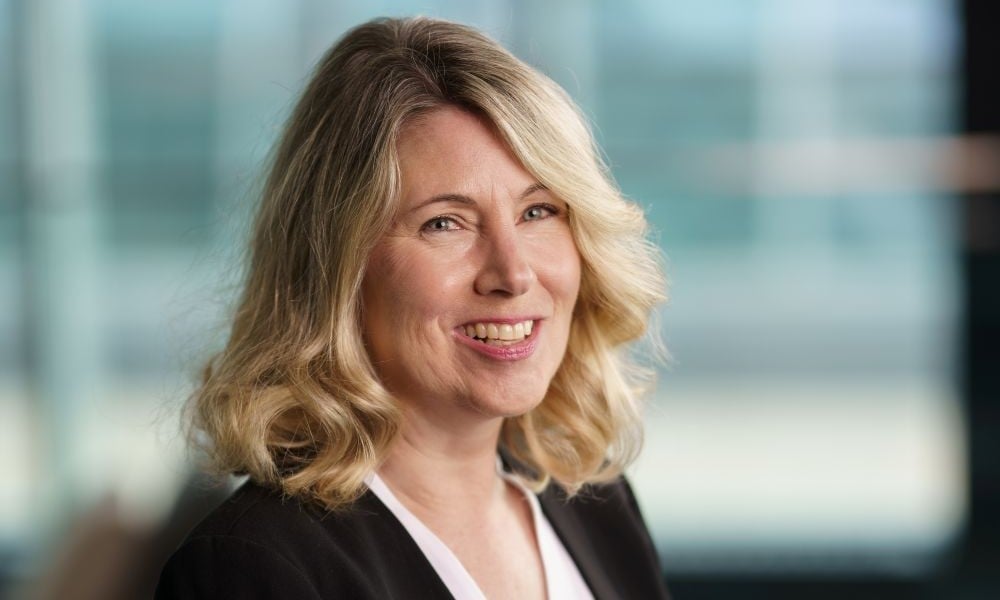
The land-based casino industry was hit early and hard by the pandemic, and Niagara Casinos in Niagara Falls, Ont., was no exception. It was shut down for 16 months, and even when it came time to reopen, it was a long journey, according to Colleen Falco, vice-president of human resources.
“It took us a good 18 months to get back to full business because there was a lot of safety and regulatory requirements in order for us to open,” says Falco. “And because of that, we had a very slow and gradual return to operations.”
As many Canadian employers grapple with slower growth and rising costs in the few years since the pandemic, Falco says casino operators face an additional challenge: their dependence on discretionary spending. “Industries like this that are completely reliant on disposable income, when you're in an economy where there are job losses, people have to reduce the number of visits or they have to make hard choices between the different types of entertainment that they enjoy — all of those things start to impact your revenue.”
Balancing recovery with new competitive pressures
Even as the business stabilized after COVID, a new structural competitor emerged with Ontario’s regulated online gaming market. “We have iGaming that was introduced over the last few years that's a multi-billion-dollar industry that eats into the land-based casino industry, as it does with other entertainment and hospitality sort of businesses,” says Falco.
Those market dynamics make workforce planning more complex and challenging, as staffing levels and scheduling have to reflect a customer base that can switch quickly between in-person and online experiences, while still maintaining enough skilled frontline staff to differentiate on service as part of the in-person experience, according to Falco.
“We provide experiences through people,” says Falco. “Because a slot machine is a slot machine and a table game is a table game — customers can pick up their phone and do that now with iGaming, but it's people that make the difference.”
Falco also notes an increase in competition in the land-based casino market in Ontario, with more opening in the province over the past few years, potentially thinning out an already strained customer base.
“With all of those things, as an HR leader, you start to look at what can we do to future-proof the business, so we’ve been focused on that,” she says. “Coming out of COVID, we were looking at opportunities to either flatten, right-size, or merge positions together that made good sense and that provided better guest service — but if you start to make too many cuts and you don't have the right staff or the right experience to provide to your guests, then you end up with fewer people coming, and that just kind of spirals.”
Making a diverse workforce work
Another aspect of the workforce Falco must factor into workforce planning is that some long-tenured employees are staying in the workforce longer than they had originally planned.
“We have an aging workforce, as do a lot of businesses, but we have a large portion of our demographic that are retirement ready,” she says. “Sometimes because they love the job, they don't want to move out of the workforce, sometimes because things like the closure for the pandemic impacted their ability to retire when they wanted, but I have to look at those individuals who are slowing down in a time that we're saying, ‘Take on more’ — they have to learn new systems and they need to be digitally fluent, which wasn’t a requirement when we hired them 30 years ago.”
With factors like that to consider, Falco believes that change management has to feel practical, not abstract. “It's funny how when you change something that's computer-based, that seems like so scary into, but it's just an app, just like Facebook but different,” she says. “We're going to show you how to use it, and then they start to embrace it because there are certain things that they're very comfortable with.”
At the same time, younger employees arrive with very different expectations around flexibility, which is where hiring for fit is key, according to Falco. “We have our young professionals that are like, ‘I can do this from home, why do I have to come in,’ but we're in a people business,” she says. “Our younger group aren’t okay without having work-life balance, but in a 24/7, 365 environment it’s not always possible for our frontline staff.”
Falco believes that staffing success starts with hiring for fit. “Making sure that you're hiring the right talent for this environment, or whatever environment you're hiring for, is really important,” she says. “It's not just about the skills, it's about the fit and whether or not that individual aspires to be part of something bigger — great experiences for people who just want an escape from their day-to-day, that's our job.”
HR as driver of financial performance
Falco acknowledges that recognition and wellness initiatives remain core to people practices, Falco is adamant that HR must be seen as a contributor to the business. “Some of the things that I'm most proud of are the ways that HR has contributed to the bottom line — whether that's through driving successful workforce planning strategies or taking a look at our disability program and saying, ‘How can we integrate safety and wellness to reduce our absences and our costs,’” she says. “I’m not exaggerating, but we have quite literally saved the organization millions over time.”
That mindset has led Niagara Casinos to scrutinize long-standing programs and so-called best practices, says Falco. “There are HR best practices that are great practices, because they truly are drivers of business success,” she says. “But if they don't contribute to Niagara Casino success, take them out if they're not adding value and stay focused on value-added HR services and making sure that we're delivering for our leaders and our frontline team members.”
This has led to the organization running an employee appreciation month with various activities and “a very robust recognition and appreciation program” and health and wellness programs, says Falco. “We brought together a bunch of like-minded frontline associates to help inform all of our programs for the last two years — we call it the Heart of House Committee because they're the heart of the house,” she says. “Same concept as a joint health and safety committee, but on engagement, and the lift that we get in engagement is so incredible by having our frontline team members informing all of these bigger organization-wide strategies.”