Flight attendants cite low entry-level wages, inadequate compensation for time spent waiting for flights
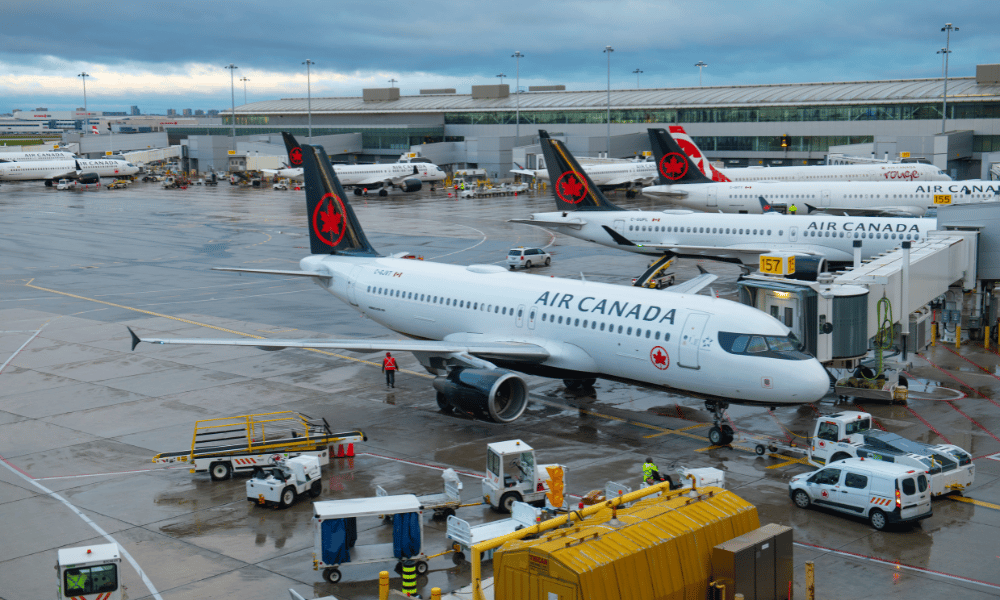
A tentative labour agreement between Air Canada and its flight attendants is facing strong opposition over wages and working conditions, with union members warning the deal may fail to secure approval when voting begins later this month.
The Canadian Union of Public Employees (CUPE), which represents about 10,000 Air Canada flight attendants, will hold a ratification vote from Aug. 27 to Sept. 6.
The agreement, reached on Aug. 19 after a four-day strike that stranded nearly half a million passengers, included wage increases and limited pay for ground duties such as boarding.
However, five flight attendants interviewed by Reuters said they plan to reject the deal, citing low entry-level wages and inadequate compensation for time spent waiting for flights.
Air Canada’s offer still is not “liveable,” one flight attendant told Reuters, asking not to be named. Another said she would vote “no” because she would still not be paid for delays, including a recent four-hour wait before a long-haul flight.
Tentative deal with Air Canada
Over four years, the contract would raise entry-level wages by about 20% and more experienced crew pay by 16%. Flight attendants would receive 60 minutes of pre-flight pay on narrowbody aircraft and 70 minutes on widebodies, beginning at 50% of their hourly rate in year one and increasing to 70% by the fourth year, said the report.
Wesley Lesosky, president of the Air Canada component of CUPE, acknowledged members’ frustration in the Reuters report, but stressed that the union aimed to protect gains made at the bargaining table while preserving the right for members to vote.
“If it’s turned down, the wage portion of the tentative agreement will be resolved at arbitration; the remaining items will move forward,” he said in the interview.
In a statement on its website, the CUPE bargaining committee acknowledged the disappointment of members:
“We feel the frustration. We have lived and breathed this for years in our preparations and beyond. We are your peers and know how much this matters to you.
“We understand morale with this employer is at an all-time low. At this crucial juncture, we must stick together.”
Impact on operations
Flight attendants cannot legally strike again if the contract is rejected, according to the union, but a failed vote would prolong talks, said the Reuters report.
Despite the dispute, Air Canada has ramped up operations since the tentative agreement was announced. The airline said on Aug. 21 that all 260 of its aircraft were back in service, operating about 95% of its network.
“Air Canada’s 40,000 coworkers, with their exceptional commitment and expertise, have allowed us to restore operations ahead of plan,” Mark Nasr, Air Canada’s executive vice-president and chief operations officer, said in a statement.