Temporary measure will now run until 2027
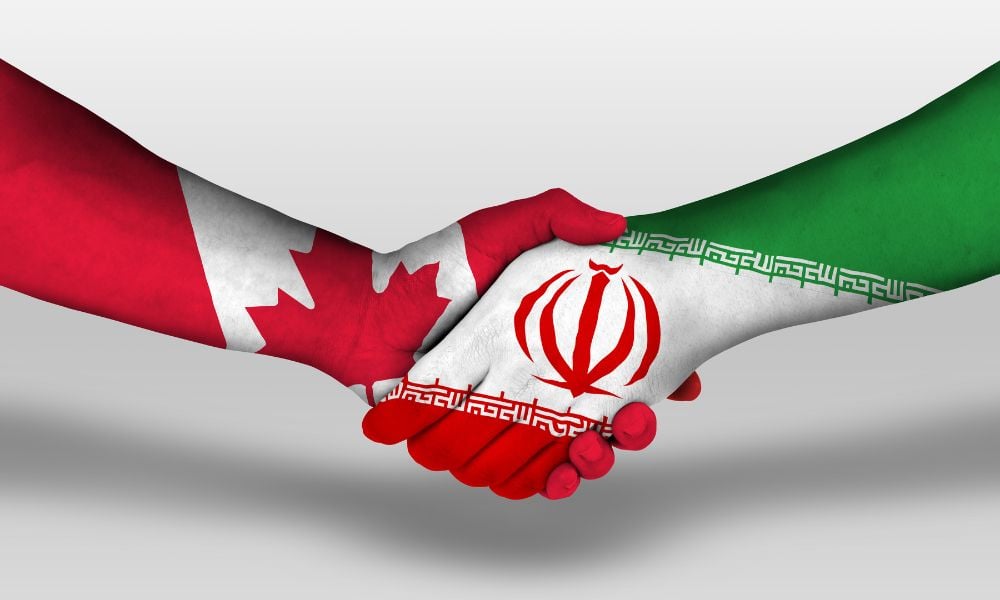
As the war in Iran and its neighbouring nations continues to intensify, the Canadian federal government is stepping in to lend a helping hand to Iranian nationals, while also making available more talent to Canadian employers.
Canada has extended temporary special immigration measures for certain Iranian nationals already working in the country. Immigration, Refugees and Citizenship Canada (IRCC) said the measures, first introduced in February 2023 in response to instability in Iran, will now run until March 31, 2027, but apply only to eligible Iranian work permit holders in Canada.
“As the situation in Iran remains uncertain, Immigration, Refugees and Citizenship Canada (IRCC) is introducing a new set of targeted measures to continue supporting eligible Iranians who are already contributing to Canadian communities and the labour market,” the department said in its announcement.
Global stock markets have slumped as the US-Israel war with Iran continues, according to a previous report.
Eligibility, fees
Under the updated measures, Iranian nationals may be able to extend their work permit if they:
-
have a valid passport
-
are in Canada with a valid work permit when they apply and when a decision is made on the application
-
had their initial work permit issued no later than Feb. 28, 2025
-
have not previously been issued a work permit under these special measures
IRCC notes that it cannot issue a work permit past the expiry date listed on the applicant’s passport, and advises those whose passports will expire within two years to renew before applying.
Standard processing fees apply under the extended measures. The work permit processing fee is $155 for all applicants. An additional $100 fee applies to open work permit applicants, and biometrics fees, where required, are set at $85 for individuals or up to $170 for eligible families.
IRCC is directing eligible Iranian workers to apply online through an IRCC secure account and to ensure they submit:
-
a complete application, including the form to extend worker status
-
a copy of their passport or travel document uploaded under “Supporting Documents” as “Passport”
-
all required fees and supporting documents
The department warns that applications may be refused if documents or other required information are missing.
Applicants must also meet the general eligibility and admissibility requirements for a work permit. According to IRCC, they must:
-
obey the law and have no record of criminal activity
-
not be a danger to Canada’s security
-
be in good health and undergo a medical exam if required
-
prove they have enough money to cover living costs and transportation home for themselves and accompanying family members
They must also “prove to an officer that you will leave Canada at the end of your authorised stay.”
In addition, applicants must not plan to work for an employer on IRCC’s ineligible employer list, which covers employers that have failed to comply with conditions, and must not plan to work for employers that “offer striptease, erotic dance, escort services or erotic massages on a regular basis.”
IRCC emphasised that “no other temporary measures are in place for Iranian applicants.” Iranian nationals in Canada on visitor records or study permits can no longer move to a different type of permit under special measures and must use regular IRCC processes to extend their existing temporary resident status.
The department also said that Iranian nationals who have already received a work permit extension under these special measures are not eligible for a second extension. Beyond this one‑time special extension, any further stay would have to be secured through standard work permit programmes or permanent residence pathways.
The federal government has previously made numerous changes to the Temporary Foreign Worker Program (TFWP).
Escalating situation in Iran
The IRCC policy extension comes as Iran faces escalating security tensions and military strikes.
Explosions and massive fires have been reported in Tehran after what Israel has described as a “broad‑scale wave of strikes,” with state media reporting that a busy shopping street and areas near Tehran University were hit, including residential districts, CNN reported.
Reports also indicate that Iran has launched operations targeting Kurdish groups in their semi‑autonomous region in neighbouring Iraq amid a spiralling regional conflict.
At the same time, Iran’s leadership is in transition, with a three‑man council overseeing the country while preparations are under way to introduce a new supreme leader. Analysts say the choice may already have been made but not publicly declared, and observers describe a climate of heightened security and “high social solidarity and support for the Islamic Republic” in Tehran, even as war in the wider Middle East has entered its seventh day, Al Jazeera reported.