
Pay equity commissioner cites ‘need for flexibility’ during implementation phase

Federally regulated employers are reaching out for help in record numbers as they navigate Canada’s Pay Equity Act, with formal disputes and requests for guidance both rising sharply over the past year.
That’s according to the latest annual report from Pay Equity Commissioner Lori Straznicky, which shows just how much activity has ramped up as organizations work to meet their legal obligations.
There’s been a dramatic 2,000% jump in authorization applications, mostly from employers asking for more time to post their pay equity plans. While 21 requests were made in 2023–24, this number climbed to 465 in 2024–25.
Of the 465 received, the office resolved 330 applications—by granting 320 fully, one in part, and denying eight.
The majority were requests for an extension of the posting deadline (85%), “which indicates a widespread need for flexibility during this initial complex implementation phase,” said the report. “The rapid adjudication of these cases was due in large part to newly introduced internal workflow processes to ensure timely responses.”
Pay equity information requests, disputes
Information requests are up too—by 69% compared to last year—as more employers seek clarity on the process and their responsibilities, she said.
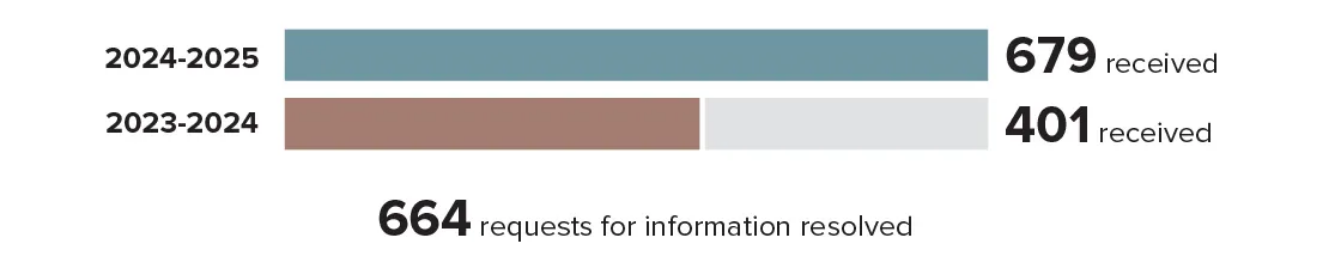
“The highest number of requests came primarily from employers (52%), which indicates that regulated entities are proactively seeking to understand and meet their obligations,” said the report, and many inquiries centred on the pay equity plan process (35%) and the handling of disputes (32%).
Formal disputes have also spiked, with 77 cases filed this year compared to just six the year before.
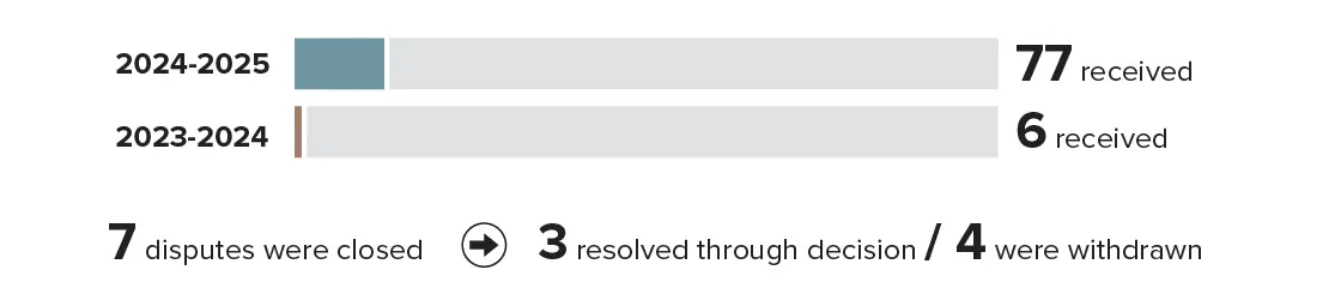
The disputes received included complaints, objections, and matters in dispute, said the report. The Office closed seven disputes in total this year: three disputes were resolved through formal decisions, while the remaining four were withdrawn.
New tools for employers
To help employers keep up, the Office of the Pay Equity Commissioner has launched new tools like the Annual Statement Portal, which streamlines reporting and reduces paperwork. The Office has also introduced an audit framework and is preparing to roll out administrative monetary penalties for non-compliance.
“Notifying employers early of these imminent compliance tools serves to motivate employers to prioritize compliance now, rather than face penalty actions in the future,” Straznicky explained.
Engagement efforts have expanded, with the Office participating in events and collaborating with nearly 300 stakeholders, including unions and industry groups, she said. A free online course for employers has also seen strong uptake, with more than 1,500 participants to date.
Enforcement of pay equity compliance
Looking ahead, enforcement will be a top priority. Most employers must submit annual statements by June 2025, and a full audit program is set to launch soon after. The new penalty system will give the Commissioner more power to ensure employers take pay equity seriously.
“I am committed to ensuring that pay equity is an embedded and permanent business practice in Canada. Our role as a regulator is to support workplace parties in their pursuit of wage equality: by offering clear guidance, ensuring compliance, and reinforcing the principle that equitable pay is a human right,” Straznicky said.
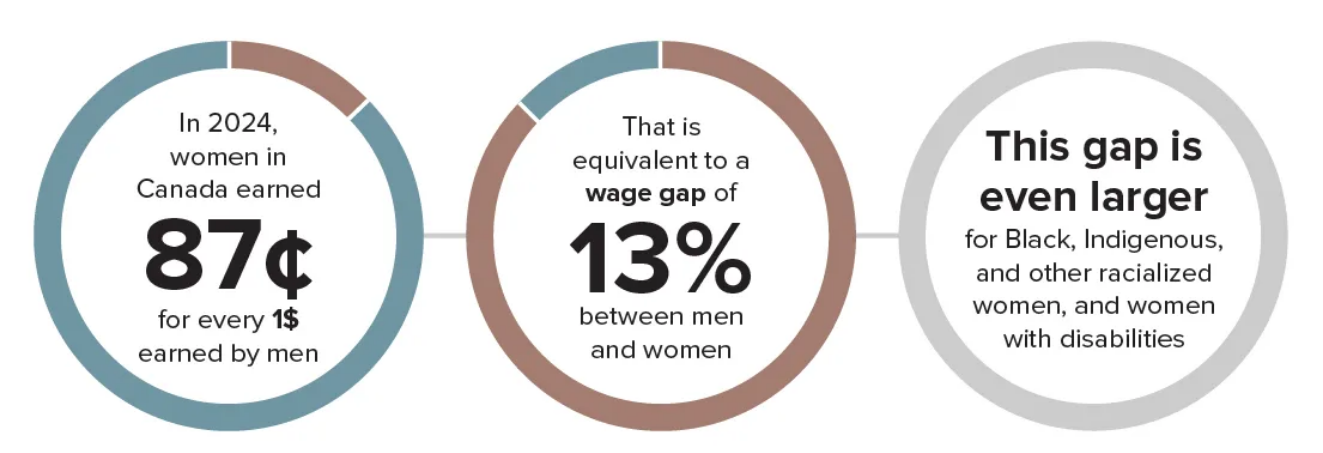
The Pay Equity Act covers about 5,000 federally regulated employers and 1.4 million employees, aiming to ensure everyone receives equal pay for work of equal value. The Office of the Pay Equity Commissioner, part of the Canadian Human Rights Commission, will continue to provide support and oversight as employers work toward full compliance.


