‘The Trump Administration has no tolerance for such DEI policies,” blasts Bondi
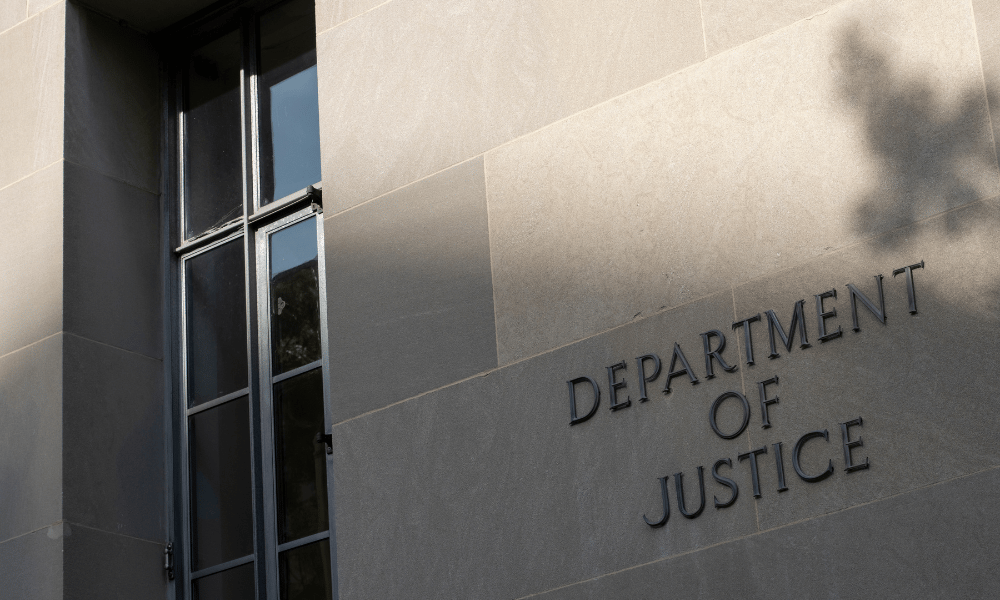
The U.S. Department of Justice has filed a federal lawsuit accusing Minnesota of running a statewide hiring system that unlawfully pressures agencies to make employment decisions based on race and sex, setting up a high‑stakes clash over how far governments and employers can go in pursuit of diversity.
According to the complaint, Minnesota law requires all state agencies to adopt sex‑ and race‑conscious affirmative action plans and to factor “affirmative action goals on all staffing and personnel decisions.” The programme instructs agencies to “balance” the demographic makeup of their workforces with the broader civilian labour force, effectively embedding demographic targets into day‑to‑day HR decisions.
The Justice Department’s Civil Rights Division alleges that, as implemented, the state’s programme violates Title VII of the Civil Rights Act of 1964 by discriminating against and classifying employees and job applicants based on protected characteristics. The lawsuit, filed in the U.S. District Court for the District of Minnesota, contends that Minnesota’s framework goes beyond lawful equal‑opportunity measures and crosses into explicit race‑ and sex‑based decision‑making.
“From suing over sanctuary city policies to a wide-ranging fraud investigation, today's lawsuit is the Department of Justice's latest effort to bring Minnesota into compliance with federal law,” said Attorney General Pamela Bondi. “Making hiring decisions based on immutable characteristics like race and sex is simple discrimination, and the Trump Administration has no tolerance for such DEI policies.”
A direct challenge to demographic 'balancing'
At the heart of the case is the state’s direction that agencies align workforce demographics with outside labour‑market benchmarks. For HR professionals, that language will sound familiar: many public and private employers track representation gaps and set aspirational goals to diversify candidate slates or outreach.
But the Justice Department’s filing signals that when demographic benchmarks move from being a monitoring tool to a practical requirement shaping who is hired, promoted, or not selected, they may be seen as unlawful quotas or preferences under federal law. The government argues that Minnesota’s regime pressures managers to classify and treat candidates differently because of race or sex rather than using neutral, job‑related criteria.
The suit fits within a broader federal effort to scrutinize what officials describe as “DEI‑driven” employment practices that go beyond prohibiting discrimination and instead direct state entities to engineer particular demographic outcomes. By framing Minnesota’s programme as a form of “simple discrimination,” the Justice Department is asking the courts to draw a sharper line between lawful diversity efforts and prohibited race‑ or sex‑based decision rules.
Title VII scrutiny for state employers
If the Justice Department prevails, the ruling could have consequences far beyond Minnesota’s borders. Title VII applies to both public and private employers with 15 or more employees, and courts often look to government cases to shape how they interpret the statute in the private sector.
The complaint targets three core features:
- Mandated affirmative action plans that expressly rely on race and sex.
- Requirements to consider affirmative action “goals” in every staffing and personnel decision.
- A directive to “balance” workforce demographics with external benchmarks.
The Justice Department argues that, taken together, those elements push managers toward weighing protected characteristics in individual employment decisions, not just in outreach or pipeline activities. That is precisely what Title VII forbids unless a narrow, court‑approved affirmative action plan is in place.