HR has big role to play for both employees and leadership to help keep things running well: expert
When Roots Corporation announced on March 3 that its board had launched a review of “strategic alternatives” that could include a sale of the company, it pledged to keep “executing its current business plan” while the process unfolds.
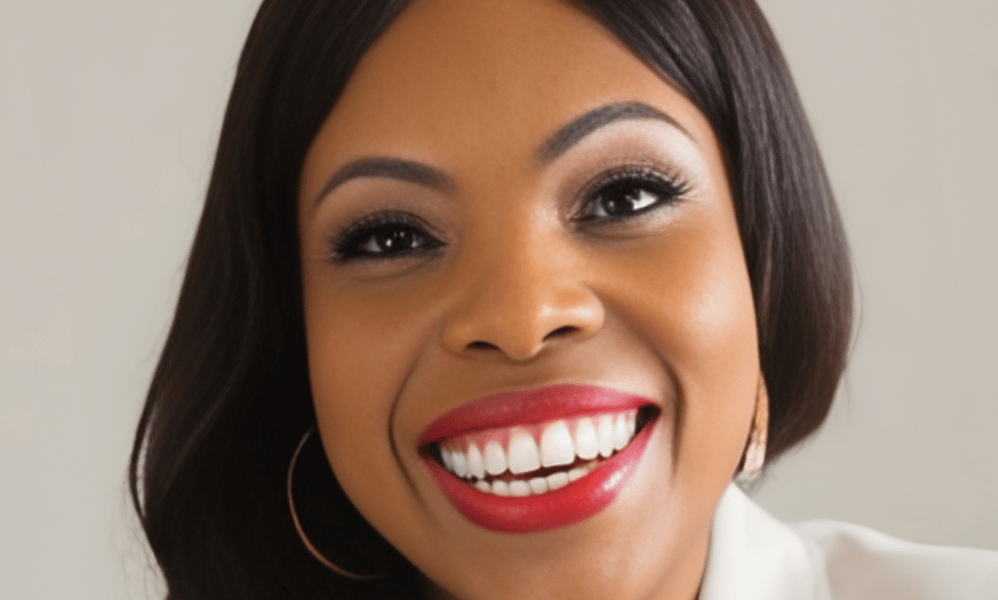
Inside the organization, though, the change has likely already begun, according to change expert Yvonne Ruke Akpoveta, CEO of The Change Leadership.
“The biggest mistake [leadership] makes is they think, ‘Okay, we’ve just announced a strategic review, we haven’t done anything yet,’ so they feel change hasn’t yet started,” says Akpoveta. “But in reality, the change has started already — people are already feeling it and employees are already processing, ‘What does this mean for my job? Do I have a future here?’ so that uncertainty is already taking place.”
Once change is in the air, Akpoveta believes that HR needs to step in right from the start and get involved with organizational leadership to keep operations going: “We're not just talking about having speaking notes ready to say, ‘This is what you need to say’ — [HR leaders] need to really become those advisors to leadership because they need to help people start to deal with that threat,” she says.
“When you think about it from a neuroscience perspective, the brain already starts to treat this as a threat, so people are already thinking, ‘I'm under attack,’ and they’re already becoming defensive.”
Protect productivity by starting with emotional climate
Recent data underlines why this early response matters. A report by Perceptyx in late 2025 shows the top driver of employee engagement is no longer about feeling valued or having a sense of belonging, but whether “change is handled effectively in my company,” followed closely by confidence in senior leadership.
Akpoveta believes that calming the emotional climate in the organization is the essential first move for HR leaders.
“It starts with the emotional side of things, the emotional climate — it starts with how do you keep people calm,” she says, pointing to the SCARF model of status, certainty, autonomy, relatedness, and fairness as the lens employees use to assess threat. “When people start to feel threatened in any way, they shift to a defensive mindset, and at that point in time, it's important for people to stay calm in order to protect the day-to-day operations.”
That work goes beyond drafting talking points. It includes coaching executives on what the announcement means for people and preparing managers on how to lead through the change, according to Akpoveta.
“[Leadership] may think that calming emotions is just a soft thing and people just need to get on with it, but when you acknowledge people's feelings over uncertainty, then you're able to create more stability,” she says. “Then you can go into the other things, which is clarifying roles and protecting operations — but without calming people's emotions and creating that stability, you can't even start to work on those other priorities.”
Create ‘micro-stability’ in day-to-day
The same Perceptyx study found that employees are “increasingly evaluating organizational stability and leadership effectiveness” rather than perks or traditional morale builders, and that engagement becomes especially vulnerable after disruptions such as layoffs, reorganizations, or post-merger integrations, when advocacy and intent to stay tend to drop first. During a strategic review before anything happens, that instability is mostly psychological, but it’s no less real, says Akpoveta.
She suggests that HR and management can build ‘micro-stability’ during uncertainty through routine. “There’s a lack of stability and you’re trying to create stability; it’s really about how you create consistent rhythms and expectations so that people have a sense of control over what they’re doing,” she says. “And that can be the simple things, like continuing to have meetings that existed already and continuing to have those short-term goals and weekly priorities that people can focus on.”
Akpoveta says HR can keep people focused by reinforcing why their work still counts. “It’s very important to keep people engaged during uncertainty, providing that clarity and purpose, because people need something to hold on to,” she says. “When you think about it again from a neuroscience perspective, people want to know if they still matter, add value, and have an impact. They want to understand what success will look like.”
Connect purpose to performance
Uncertainty doesn’t mean performance stops, which is particularly important when an organization is reviewing its options to maximize its value. Another Perceptyx report on mergers and acquisitions found that employees who trust senior leaders during integration are 10 times more likely to report full engagement, and those who perceive cultural congruence with the combined organization are 3.5 times more likely to remain after 18 months.
This is where line managers become critical. With HR’s support, they can reframe targets in shorter time frames and ensure that one-on-ones include space for questions about the future.
Akpoveta also believes that organizational leaders need to stay visible and not disappear if they want to keep things running smoothly. Strategic reviews often push CEOs and boards behind closed doors with bankers and lawyers, but Perceptyx’s data suggest that confidence in senior leadership has emerged as the second-biggest predictor of employee engagement, after how well change is handled.
Akpoveta cautions against that retreat. “This is where HR needs to become the change leaders and support and advise their leadership on the importance of their presence, because the absence of leadership, people start to create their own narrative — it starts to create uncertainty, it starts to threaten their sense of self and their identity,” she says. “So leadership visibility is important.”
Build change fluency
Ultimately, the best protection for an organization to ensure productivity and engagement is minimally affected during a strategic review, impending sale, or layoffs, is to not wait for crisis to build their capacity for change, according to Akpoveta.
“You need somebody who has change fluency, which is the ability to read where the organization is emotionally and operationally, to understand at any given moment where they are during the change process, and be able to respond with the right type of interpretation or intervention,” she says.
When a strategic review is announced, employees and management often hear about shareholders, making it easy to interpret that the coming change is all about finances, says Akpoveta.
“It's easy to get lost in the financial and the structural terms, and when you think about leaders in change and leadership as a whole, you have what you call head, heart, and hand,” she says. “Leaders tend to be very head-focused, as they're thinking about the strategic view, the long-term view, and this is where HR needs to come in with the heart view, to start to create meaning for people and to say the change goes beyond the finances.”
For Akpoveta, the HR leader’s role during a strategic review and impending change is to help leaders create the narrative on what the core of the change is about. “Help people to have something that they can hold on to, because let's not forget, people have built their identity, their relationships, and their lives around work.”