Employees demanding a 'more complete approach' to supporting women's health
Employers are being urged to start offering benefits to support women experiencing menopause amid strong demand from the workforce, according to a new report.
A new poll released by Wondr Health revealed that employees are "ready for a more complete approach" on supporting women's health, including those experiencing menopause.
According to the findings, 68% of employed adults believe women should not be expected to "push through" perimenopause or menopause symptoms without acknowledgement in the workplace.
A total of 70% of employed women and 67% of employed men agreed with this perspective.
"For years, employer-sponsored health benefits have focused heavily on certain stages of women's health, such as fertility and maternity," said Scott Paddock, CEO of Wondr Health, in a statement.
"This data shows employees are ready for a more complete approach, one that reflects the full spectrum of health needs across their careers."
Impact of menopause at work
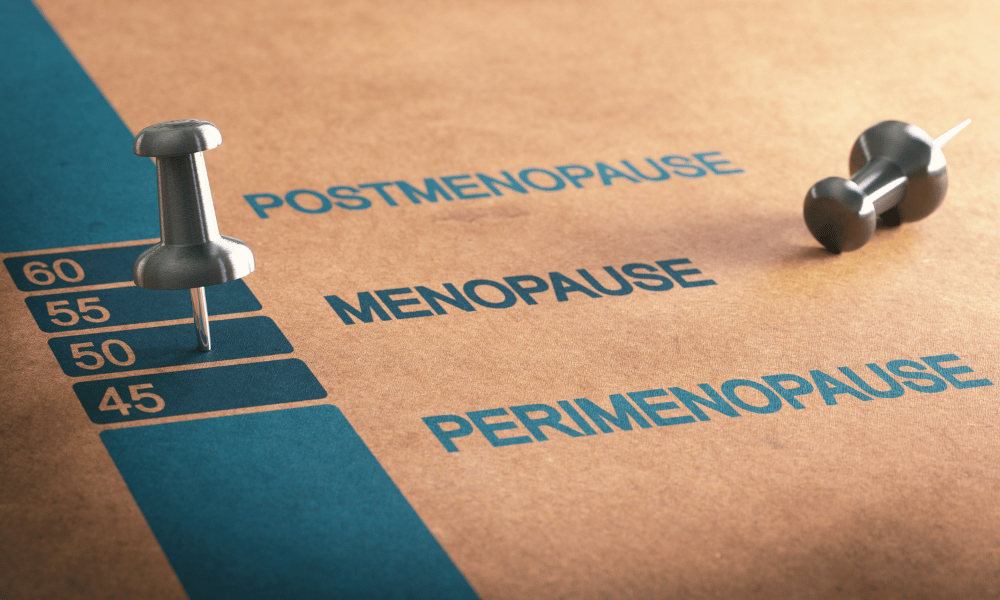
Menopause impacts women, on average, at the age of 52, according to the Cleveland Clinic. It comes at a time when some women are entering or are currently in more influential positions in the workplace, such as in various leadership roles.
During this stage, women are forced to deal with bigger responsibilities in the workplace while experiencing menopause symptoms, such as brain fog, mood swings, physical discomfort, and fatigue.
A previous report from LiveCareer revealed that 69% of women experience disruptions in their work performance because of menopause symptoms.
In fact, 31% of them said they considered changing jobs or roles, or reducing their hours due to menopause.
"Menopause is not a niche issue. It is a significant physiological transition that can influence multiple aspects of health," said Lisa Talamini, SVP of Clinical Solutions at Wondr Health, in a statement.
Despite these challenges, most women who experience symptoms of menopause said they felt pressured to hide or downplay their discomfort in the workplace mostly due to the fear of being judged, according to LiveCareer's report.
Wondr Health pointed out that menopause is becoming a "test" of how well an organisation's benefits reflect the realities experienced by the workforce.
"When these experiences are treated in isolation, we miss the opportunity to address the underlying drivers of health more effectively," Talamini said. "Similar to the treatment of chronic conditions, the goal is to support the whole person and empower women with the care, tools, and confidence to navigate this transition and thrive."