Jobless Australians rose 14.5 per cent in a year as part-time roles fell and youth unemployment hit 11.3 per cent
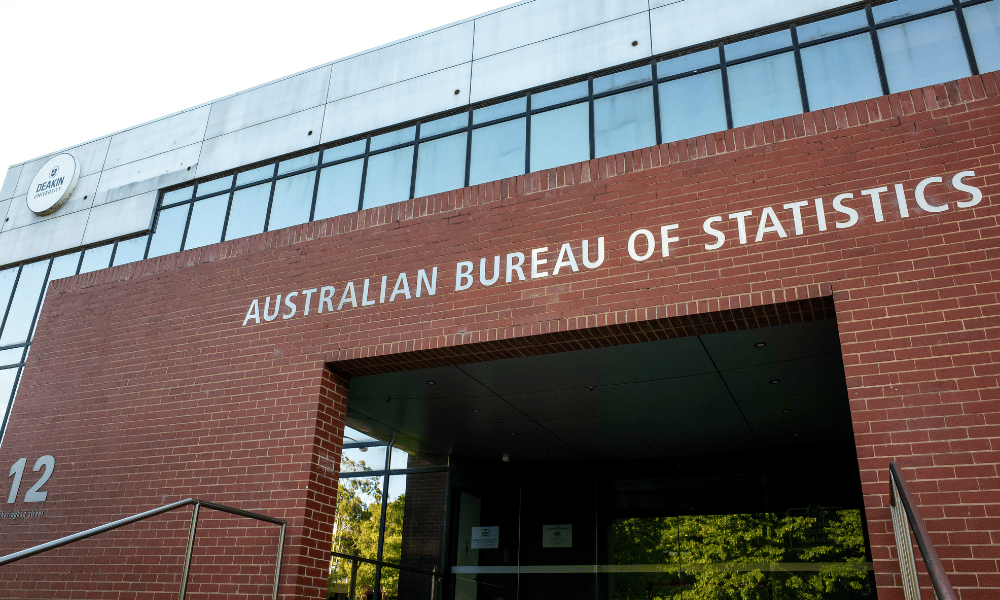
Australia’s unemployment rate rose to 4.9 per cent in October 2026, its highest level since October 2021, according to Labour Force figures released today by the Australian Bureau of Statistics (ABS) today (19 November).
In seasonally adjusted terms, employment fell by 43,500 to 14,738,600 people. The number of unemployed Australians rose by 17,800 to 753,700.
This is the third month in a row the jobless rate has gone up. It was 4.6 per cent in August and 4.7 per cent in September, when it reached what was then a near five-year high.
“In October, there were 44,000 less employed people and 18,000 more unemployed people,” said Sean Crick, ABS head of labour statistics.
“Similar to last month, we had a higher proportion of people remaining unemployed than we would usually see in October in the post-Covid era.”
Part-time roles take the hit again
Most of October’s job losses were in part-time work. Part-time employment fell by 40,600 to 4,509,900, while full-time employment fell by just 2,900 to 10,228,700.
Hours worked fell too. Monthly hours worked in all jobs dropped 0.2 per cent to 2,006 million. The employment-to-population ratio, which is the share of working-age Australians who have a job, fell 0.3 percentage points to 63.3 per cent. The participation rate fell 0.2 points to 66.6 per cent.
The underemployment rate fell 0.1 points to 6.2 per cent. Underemployment counts people who have a job but want, and are available for, more hours. The broader underutilisation rate stayed at 11.1 per cent.
The male unemployment rate rose to 5.0 per cent and the female rate rose to 4.7 per cent.
Youth unemployment rate reaches 11.3 per cent
Young workers are still being hit hardest. “The youth unemployment rate – that is, for people aged between 15 and 24 – increased to 11.3% in October from 11.1% in September. This is the highest it’s been since October 2021,” Crick said.
“In the post-Covid period (from May 2022 onwards), the youth unemployment rate has averaged 9.2%.”
This adds to the pressure on early-career hiring. Recent Reserve Bank of Australia (RBA) research flagged early warning signs for graduate hiring and AI in the junior roles where HR teams have usually recruited.
Unemployment growing far faster than jobs
The yearly figures show a clear gap. Over the 12 months to October 2026, seasonally adjusted employment grew by 83,500 people (0.6 per cent). Over the same period, the number of unemployed people grew by 95,400 (14.5 per cent), so more people became unemployed than jobs were added.
Trend estimates, which smooth out monthly volatility, point the same way. The trend unemployment rate rose to 4.8 per cent. Trend employment was flat, which Crick said meant “there was very little underlying growth in the number of employed people.” Trend unemployment rose 1.3 per cent in the month and 13.3 per cent over the year.
ABS index data shows that since May 2022, trend unemployment has risen by about 41 per cent while trend employment has grown by about 9 per cent.
Victoria and Tasmania post highest jobless rates
In seasonally adjusted terms, Victoria and Tasmania had the highest unemployment rates at 5.4 per cent each. Queensland and South Australia were at 4.8 per cent, New South Wales at 4.6 per cent and Western Australia at 4.5 per cent.
South Australia’s rate rose the most, by 0.6 points. Western Australia had the biggest fall in employment, down 1.1 per cent in the month. New South Wales was the only state where the jobless rate fell, by 0.1 points.
What does this mean for HR leaders?
The October figures support the view that Australia’s labour market is loosening faster than expected, which the RBA raised in October. CommBank has forecast unemployment could reach 5.1 per cent by the end of 2027.
For employers, a larger pool of jobseekers may make hiring easier. But cuts to part-time jobs and hours suggest many businesses are cutting back on labour costs first.