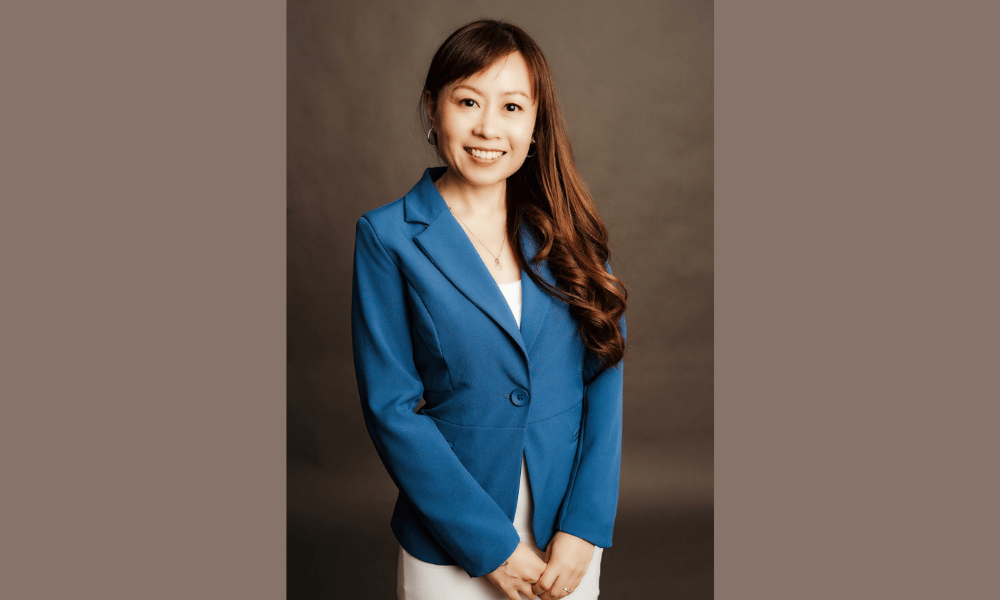
Charlene Tan on building credibility with technical leaders, adapting frameworks across six countries, and preparing for Gen Z's workforce arrival
Most HR professionals can describe their ideal role: strategic partner, trusted advisor, co-driver of business outcomes. Fewer can explain how they actually got there.
Charlene Tan can. Over nearly seven years at SUEZ, she moved from reinvigorating outdated practices to leading HR strategy across Southeast Asia. Her path reveals practical answers to questions many HR business partners (HRBPs) face: How do you earn credibility with technical leaders? What makes business executives invite HR into early planning conversations? And how do you balance regional consistency with local relevance across multiple markets?
Tan's approach combines elements not often discussed together: data analytics, coaching methodology, and what she calls "anticipation and clarity."
For a company with 160 years of history in water and waste management, her work demonstrates how agility can coexist with legacy.
Building foundations before driving strategy
Tan's early work at SUEZ centered on "execution and reinvigorating long-standing practices to suit to the current business context."
She built clarity first—guidelines, processes, reliable systems.
That foundation enabled everything that followed. "After building a solid foundation with clear guidelines and processes, now I lead the HR team, driving HR strategy and cross-functional collaboration according to the business needs," Tan says.
Business expectations accelerated during her tenure. "In today's dynamic business landscape, such as digitalisation, business transformation, and even during the pandemic, business expectations of HR are rapidly transforming. The keyword is Agility," she explains.
Legacy doesn't excuse stagnation. "An HR business partner must be agile, flexible and adaptable to cater quickly to the ever-evolving business environment, so despite our illustrious history, I have learnt that we as HRBPs cannot afford to be complacent with past practices," Tan says.
What anticipation means in practice
Reactive HR waits for requests. Strategic HR shapes what gets requested.
"A HRBP doesn't just react to business needs — we anticipate them. We understand the business strategy and proactively shape initiatives that directly drive outcomes, positioning our role as a genuine strategic partner rather than just an enabler," Tan says.
This perspective shift has a personal impact beyond professional outcomes. "What this does, for me personally, is that it allows me to connect the dots in the big picture and see the grand scale of things. Anticipation of needs and clarity of direction are what allow us to play a proactive role in delivering outcomes."
The difference determines whether HR enters strategic conversations at inception or implementation.
Combining data with coaching conversations
Most HR leaders understand the value of analytics. Tan uses them to identify talent trends, performance patterns, and engagement signals.
"The world is moving on to the next generation of HR where factual evidence and statistics are easier to obtain," she says.
She frames risk and opportunity through numbers. "Data and analytics allow us to frame conversations with business leaders in a way that clearly highlights opportunities and risks before they become critical issues, which is a great example of anticipation and clarity in practice."
Then she adds an uncommon element. As a Worldwide Association of Business Coaches (WABC) Registered Corporate Coach, Tan brings coaching skills into stakeholder conversations.
"Through coaching conversations, I help leaders gain deeper clarity, explore different perspectives, and arrive at their own solutions," she explains.
Rather than presenting HR recommendations for approval, she guides leaders to develop insights themselves.
"This approach not only strengthens trust but also builds credibility — demonstrating that HR is not just a support function, but a trusted advisor and thought partner who helps leaders make more informed, people-centric business decisions," Tan says.
Managing six countries without standardized solutions
Southeast Asia's complexity demands sophisticated thinking. Different labor laws, cultural expectations, and market dynamics could paralyze regional HR strategy. Tan navigates this through principled flexibility.
"Managing multiple countries with different cultures and regulations is complex yet adds so much colour to my role. The key mindset I adopt is that one size doesn't fit all, but a clear guiding framework does," Tan says.
Common principles establish direction. Local adaptation ensures relevance. "By defining common principles and objectives while allowing flexibility for local adaption, HR initiatives can be relevant and effective in each local context. This goes the same for many other departments as well, not just HR."
Implementation success depends on local ownership. "Open communication and treating everyone with respect are critical. This builds trust with local teams, garners local support and enables them to co-own initiatives, ensuring a smooth and successful implementation," Tan says.
She identifies one skill as most valuable from this regional work: "To me, the ability to build trust and foster collaboration across a diverse workforce is the most valuable skill I have developed."
Establishing credibility in engineering-dominated discussions
Water and waste management requires deep technical expertise. How does HR establish relevance when sustainability engineers dominate strategic discussions?
Tan reframes the question. "It is true that SUEZ's mission is clear: to make SUEZ a reference for building a sustainable future together. On top of that, we must also remember that part of sustainability is the service of people and communities."
Human perspective isn't separate from technical priorities—it's embedded within them.
"That's where diversity comes into play. The human perspective is so important, and this makes our voice even more critical in any situation. Talent, leadership and culture decisions can drive and impact business outcomes and we are the drivers of this cause," she says.
Evidence builds the connection. "We build the bridge between people strategies and business priorities through HR data and analytics - anticipating workforce risks, identifying talent gaps and retention challenges and strengthening succession plans to build a strong talent pipeline. HR are the ones who help our technical leaders understand the importance of this relationship between people and business," Tan explains.
Co-creating talent development with business leaders
SUEZ launched its first-ever talent programme in Southeast Asia in 2024, attracting over 900 applicants. The initiative was repeated in 2025 with similar interest.
"This initiative is anchored in the business need to build a strong talent pipeline across a region with diverse markets and growing operational demands," Tan says. The Young Talent Development Programme focused on identifying and developing graduates from local universities in the Philippines.
Business leaders participated from design through delivery. "From the very beginning, business and technical leaders were actively involved — from designing the rigorous technical assessments to participating in the interview process. Together with HR, they handpicked high-potential candidates to join this prestigious programme designed to develop the talents of tomorrow," she explains.
Shared accountability continued throughout. "Throughout the programme, HR and business leaders jointly delivered development experiences such as mentoring, site work, and technical projects, and shared accountability for tracking each participant's progress in alignment with SUEZ's Southeast Asia strategy," Tan says.
Three elements signaled a genuine partnership. The programme addressed specific business outcomes: local capability development, regional growth support, and operational excellence enhancement.
HR and business used data and participant feedback to refine future iterations. Learning journeys blended technical expertise with soft skills through co-creation rather than HR working alone.
"At SUEZ, talent development is at the heart of what we do, and this initiative reflects our shared commitment to building the next generation of leaders for sustainable growth," Tan says.
The capability that underlies everything else
HRBP responsibilities continue expanding—data fluency, cross-functional collaboration, business acumen. But what capability will matter most as the role evolves?
Tan identifies the core tension first. "The HRBP role is a challenging one because it constantly requires balancing the needs of employees with the strategic priorities of the business. We're expected to advocate for our people while ensuring that our decisions enable the organisation to achieve its goals. The balance is a delicate one, and it takes skill and experience to navigate this in a way that fulfils the needs of both sides."
One skill enables that balance. "The hallmark skill needed in a successful HR business partner is the ability to build credibility, reliability, and trust with stakeholders."
Trust accumulates through consistency. "To earn that trust, HRBPs must demonstrate consistency… Following through on commitments, providing data-driven insights, and bringing a balanced perspective to complex decisions. Over time, this creates confidence that HR is not only capable but indispensable in driving the business forward," Tan explains.
Technical competence alone falls short. "At the same time, we can never lose sight of empathy. Understanding what employees experience, listening to their concerns, and representing their voice with sincerity is what keeps HR grounded and human. That ability to be both people-centric and business-savvy is what I feel will define the next generation of HR business partners," she says.
Preparing for Gen Z and the redesign of work
Five years forward, two forces will reshape the HRBP role: advancing technology and generational transition.
"Digitalisation will continue to advance far beyond what we see today, transforming not just how we work, but also how we think about work itself. As automation, AI, and new technologies evolve, organisations will need to rethink and redesign jobs to ensure they remain relevant and aligned with business goals. This means shifting our mindset from filling roles to designing work for the future… Focusing on skills, agility, and the human-technology interface," Tan says.
Demographics matter equally. "In five years, we will see more Gen Z employees entering the workforce. Their work habits, expectations, and way of thinking will influence retention and engagement. Understanding what motivates this generation, whether it's purpose, flexibility, or rapid growth opportunities, will be key for HR to design strategies that retain and engage talent effectively," Tan explains.
Her vision for the profession centers HR at transformation's core. "I hope that the phrase 'HR Business Partner' will truly be cemented as a strategic role in business decisions that works hand in hand with many teams in an organisation. HR will sit at the centre of transformation… Guiding leaders through change, ensuring initiatives always have people in consideration, and helping employees adapt and grow with new capabilities."
Analytics and humanity must work together. "By combining data-driven insights with human empathy, HR can ensure that as organisations transform, both the business and its people thrive. This is precisely where I see my contribution… Bridging analytics, business strategy, and human-centric solutions to drive sustainable impact to groom the next generation and define the term 'HR Business Partner' to be what I hope for it to be," Tan concludes.