Slashing benefits is a 'dangerous shortcut' that can erode workplace trust

Employers in Asia have been advised against slashing benefits as a response to medical costs, which are estimated to remain persistently high in the region.
The latest MercerMarsh Benefits report revealed that medical trend rates in Asia remain high at 12.5%, with double digits recorded in most markets.
"The projected 2026 medical trend rate is nearly 6x the inflation rate (2.1%) for Asia," the report read.
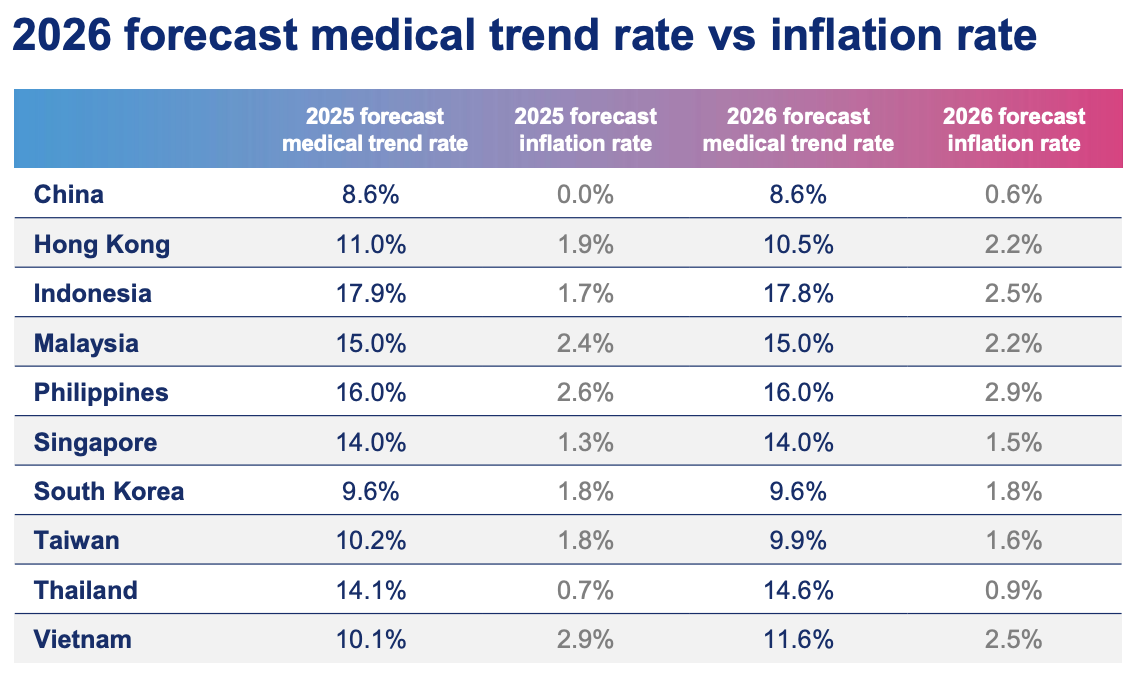
The findings highlight a critical need for effective healthcare cost management strategies for employers.
But slashing benefits is a "dangerous shortcut" amid soaring health costs, according to Mercer, as employers also need to consider the evolving needs of employees.
It warned that benefits play a central role in supporting retention, workforce resilience, and employee trust.
"In this environment, blunt cost-cutting can introduce new risks to employee experience and erode long-term workforce value," said Steven Yu, Asia Leader, Mercer Marsh Benefits, in a statement.
"Employers now need to manage rising medical trend rates and healthcare cost management with smarter benefits design, without losing sight of what employees need from their benefits."
What can employers do?
The report underscored the importance of preventive care to manage long-term healthcare costs.
"When risks are identified and addressed early, organisations can reduce avoidable claims while supporting better health outcomes for employees," Mercer said.
Preventive care programmes include vaccinations, health screenings, and chronic disease management that can help employees manage or improve their health.
"While the full impact may not be recognised within a single plan year given the long-term nature of health, organisations can see increased employee engagement as an additional advantage," the report read.
Employers are also urged to help employees further understand their health and related financial decisions through workshops, targeted health campaigns, and improved benefit navigation tools.
"When employees are better informed, they are empowered to make decisions about when, where, and how to seek care," it said. "This can lead to informed benefits utilisation, improved health outcomes, and better control of overall healthcare spend."
Employers can also review their claims data, workforce demographics, and utilisation patterns to better improve the benefits they offer.
"Based on these insights, employers can personalise benefits with options including co-pay structures, opt-in opt-out models, and limit adjustments to improve affordability while keeping coverage relevant and competitive," it said.
Meanwhile, the report urged employers to steer employees towards high-value care, and rethink their healthcare cost management.
"We need to take a broader view of cost containment that considers plan design levers that drive better system efficiency and outcomes and not just remove costs," said Matt Zafra, Asia Advisory Leader, Mercer Marsh Benefits, in a statement.
"As we spend more time with insurers to evaluate how plans are administered, we also work towards understanding the different ways employees value and use their benefits. This will ultimately result in sustainable plan design, value-based care and a healthy, engaged workforce."