Australian Bureau of Statistics data shows public sector vacancies rose 7.8 per cent while demand for business goods and services softened
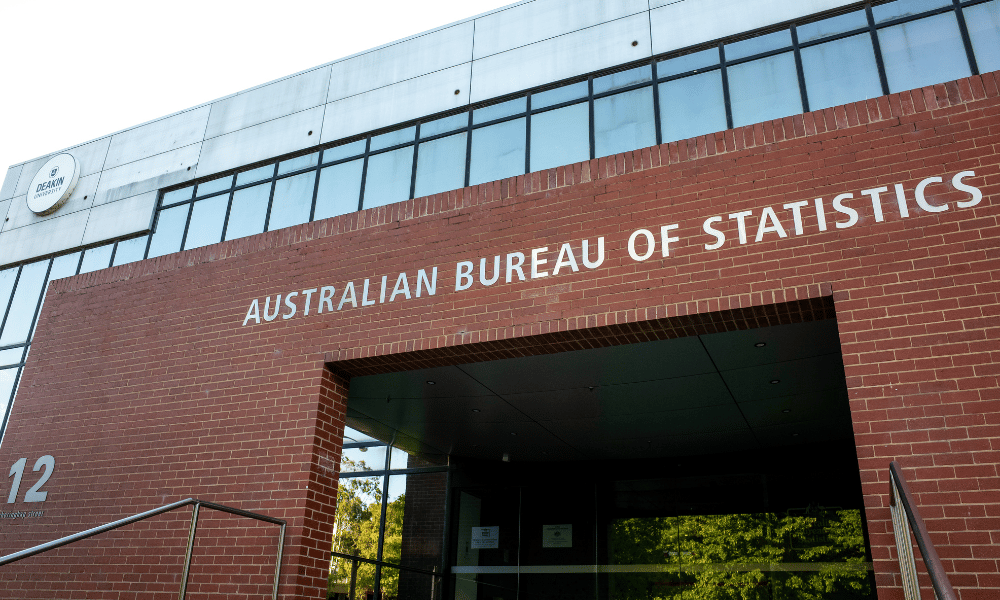
Australian job vacancies fell for a second straight quarter in August 2026, slipping 0.9 per cent to 325,000 as private sector employers pulled back on hiring, according to figures released today (1 October) by the Australian Bureau of Statistics (ABS).
Sean Crick, head of labour statistics at the ABS in Canberra, said: "Job vacancies fell by 3,000, or 0.9 per cent, in the three months to August 2026. This followed a decline of 2.2 per cent in the previous three months."
"Over the year, job vacancies declined by 1.3 per cent," he said.
The national total is now 31.2 per cent below the series peak of May 2022, according to the ABS Job Vacancies, Australia, August 2026 release. The result extends the downward trend that began with the May 2026 quarter's widespread fall in job vacancies.
Private sector job vacancies drive the decline
Private sector vacancies fell 2.0 per cent, or 5,800 roles, to 286,300 in seasonally adjusted terms. Public sector vacancies rose 7.8 per cent, or 2,800, to 38,700.
"The decline in job vacancies was driven by the private sector, notably in business goods and services. This was offset somewhat by rises in customer facing roles including in Retail trade," Crick said.
Retail rebounds as professional services retreat
Industry and state figures are in original (not seasonally adjusted) terms. Wholesale trade recorded the steepest quarterly fall, down 18.0 per cent. Professional, scientific and technical services fell 17.3 per cent, to 29,500 vacancies. The professional services drop continues a theme first seen in private sector demand softening through November 2025.
Retail trade vacancies jumped 24.5 per cent to 32,400, and financial and insurance services rose 14.1 per cent. Health care and social assistance remained the largest source of open roles at 54,300, although this was down from 56,700 in May 2026.
Vacancies fell in five of the eight states and territories. The Australian Capital Territory recorded the largest drop at 21.9 per cent, followed by the Northern Territory at 8.0 per cent. South Australia (up 5.8 per cent) and Victoria (up 1.4 per cent) posted the largest rises.
What the job vacancies data means for HR leaders
The vacancy figures arrive a week after the ABS reported unemployment rising to 4.6 per cent in August 2026, with 39,000 more people employed and 28,000 more unemployed, according to the ABS Labour Force media release of 24 September 2026.
Fewer openings in professional and business services, together with a larger pool of jobseekers, may ease competition for white-collar talent. Employers in retail, health care and hospitality still face a sizeable number of unfilled roles. Accommodation and food services alone held 33,700 vacancies in August 2026.