He had 14 days to respond. He filed a dispute instead
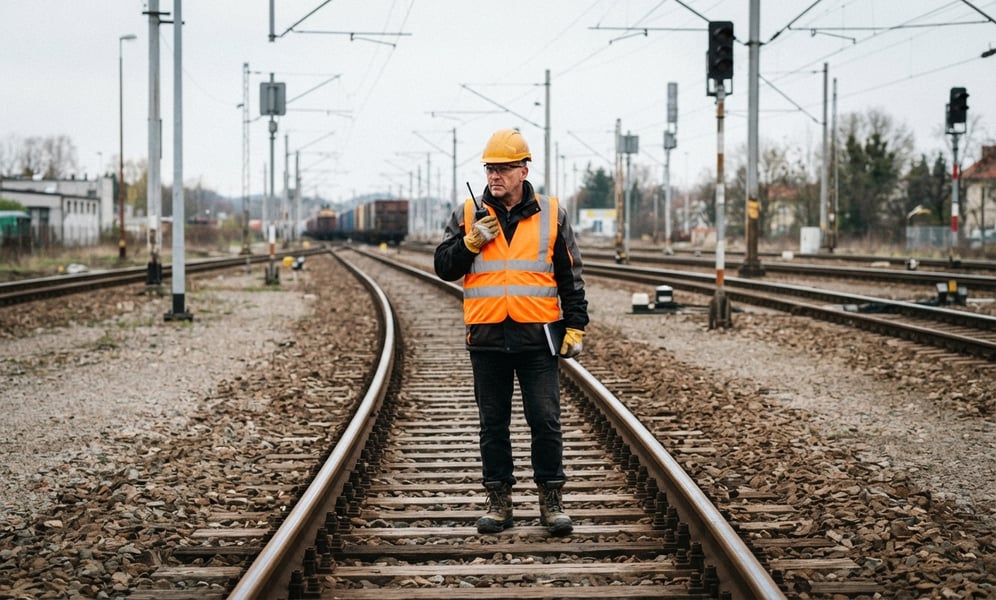
A Sydney Trains worker who tried to freeze his own show cause process has been told the enterprise agreement did not require a formal investigation first.
The Fair Work Commission handed down the decision on November 20, 2026, finding that the employer was entitled to issue a show cause letter without conducting a disciplinary investigation under the Sydney Trains and NSW TrainLink Enterprise Agreement 2025.
The worker, a Signals Electrical Work Leader based at the Glenfield Network Base, had been placed on paid special leave in May 2026 after Sydney Trains raised concerns about his conduct. Over the following months, Sydney Trains wrote to him twice - first on May 8, then on June 12 - setting out its concerns and seeking his responses.
Then came the show cause letter.
On August 28, 2026, Sydney Trains issued a show cause letter asking the worker to explain why his employment should not be terminated. He was given 14 days to respond.
Instead of responding, the worker filed a dispute.
On September 11, 2026, he lodged a Step 1 Notice of Dispute under the enterprise agreement, arguing that Sydney Trains had failed to follow the disciplinary provisions in clause 33 of the agreement. His central argument: the agreement required a formal disciplinary investigation before any show cause process could begin, and Sydney Trains had skipped that step entirely.
He also invoked clause 8.4 - the agreement's status quo provision, which requires the employer to maintain existing work procedures and practices while a dispute is being resolved. His position was that the show cause process should be frozen until the dispute was sorted out.
Sydney Trains disagreed. A Step 2 meeting was held on September 25. The Australian Rail, Tram and Bus Industry Union, representing the worker, asked for more time. Sydney Trains granted a final deadline of September 29.
As of the October 30 hearing, the worker still had not responded to the show cause letter.
No investigation required
The case turned on what clause 33 of the agreement actually requires. The worker read it as a gatekeeping provision - that any process which might result in disciplinary action had to go through a formal investigation first.
The Commission read it differently. Clause 33.1, the Commission found, only applies when three things happen in sequence: Sydney Trains assesses the employee's conduct through the Fair Decision Framework, that assessment results in a decision to proceed to a disciplinary investigation, and the employee is notified in writing.
Put simply, clause 33 does not require an investigation every time discipline is on the table. It only applies when the Fair Decision Framework specifically directs one.
That matters here because Sydney Trains was not alleging misconduct. The employer's internal procedure drew a line between "inappropriate conduct" and "misconduct and serious misconduct." For inappropriate conduct, the procedure allowed the matter to be addressed through local management processes - including disciplinary action up to and including dismissal - without requiring a formal investigation.
The worker led no evidence to support his argument that the unions intended clause 33 to apply to every disciplinary scenario.
The Commission also addressed the worker's argument about procedural fairness - essentially, his right to know and test the case against him before a decision affecting his employment is made. While noting there was some force in Sydney Trains' submission that the worker had confused what the employer should do with what it was legally required to do, the Commission stopped short of making a finding on whether procedural fairness had actually been denied. The point was narrower: even if it had been, that did not amount to a breach of the agreement when clause 33 was not triggered.
No freeze either
The status quo argument did not get up either. The Commission found that Sydney Trains had not departed from any existing work procedures or practices - which is what clause 8.4 requires before the freeze applies.
The Framework, the Policy, and the agreement itself were all followed.
Sydney Trains made a pointed submission on this front: the show cause process had been running since May, well before the dispute was filed in September. Completing that process maintained the status quo. Suspending it would have changed it.
The Commission agreed.
One loose end
The Commission determined both the status quo dispute and the substantive dispute in Sydney Trains' favour. One issue remains open: the worker had also raised a claim about unpaid public holiday entitlements. Sydney Trains said it would correct any shortfall if one existed, and the worker did not press the point at the hearing. The Commission directed him to advise by November 27, 2026 whether he still wanted that issue resolved.
For HR teams operating under enterprise agreements with layered discipline clauses, the practical takeaway is clear: a show cause process and a formal disciplinary investigation are not the same thing, and an agreement that provides for both does not necessarily require one before the other.