New ABS data reveals a tightening jobs market with vacancies down 2.1% and unemployment easing to 4.4% in May 2026
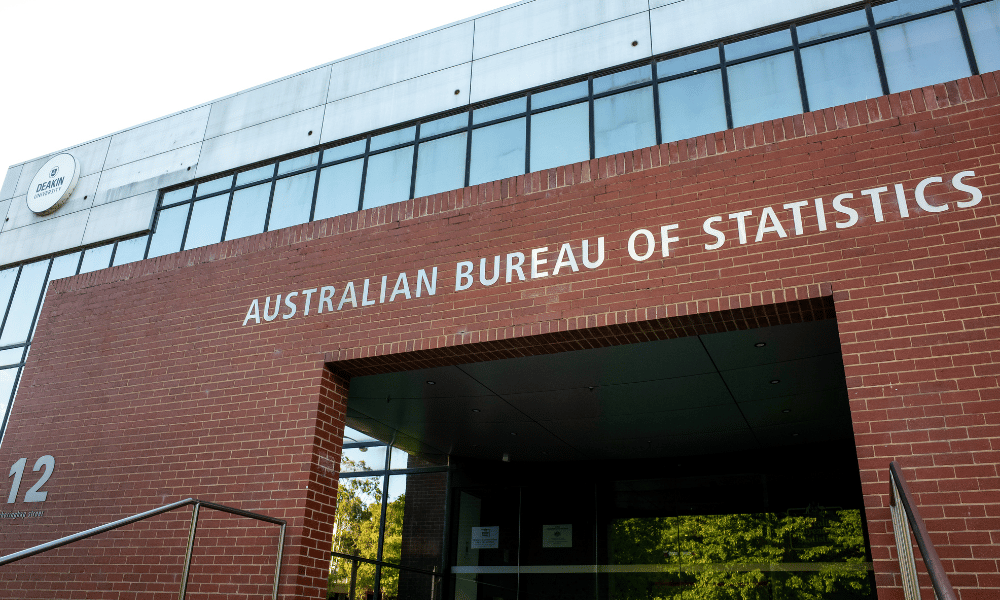
Australia's job market sent a mixed message to employers and HR leaders in May 2026, with job vacancies declining for the first time since August 2025 while the unemployment rate edged down to its lowest point in recent months.
New data from the Australian Bureau of Statistics (ABS), released today (25 June), shows total job vacancies fell 2.1 per cent in the three months to May 2026 to reach 329,500 – a level that is now 30.3 per cent below the peak recorded in May 2022, when the post-pandemic hiring boom was at its height.
Sean Crick, ABS head of labour statistics in Canberra, said the pullback was broadly felt. "Job vacancies fell by 2.1 per cent in the three months to May 2026, the first drop in vacancies since August 2025. The decline in job vacancies was widespread, with falls across the public and private sectors as well as most states and industries."
For HR leaders navigating workforce planning, the data adds a new layer of complexity to an already shifting environment. After years of record-low vacancies driving competition for talent, the cooling trend signals that the balance of power between employers and candidates may be gradually shifting.
Unemployment dips, but underemployment ticks up
On the employment side, the picture was more encouraging. The seasonally adjusted unemployment rate fell 0.1 percentage points to 4.4 per cent in May 2026, with the number of unemployed Australians dropping by 18,300 to 671,300 people, according to the ABS Labour Force data released simultaneously.
Total employment rose by 40,300 people to reach 14,738,800. Full-time employment grew by 5,200, while part-time employment increased by 35,200 – a split that HR teams in industries reliant on flexible staffing will be watching closely.
Crick attributed the improvement in unemployment partly to the clearing of a hiring backlog. "Over the past few months, we have recorded higher proportions of unemployed people waiting to start jobs who then remained unemployed in the following month. The backlog of people waiting to start a job has eased in May, contributing to the 40,000 rise in employment and 18,000 fall in unemployed persons."
However, the underemployment rate – a measure of people who have work but want and are available for more hours – rose 0.1 percentage points to 5.9 per cent in seasonally adjusted terms. For people managers, underemployment is often a more meaningful indicator of workforce capacity and employee wellbeing than headline unemployment figures alone.
Sector and state breakdowns reveal deeper pressures
The vacancy data shows significant divergence across industries. Financial and insurance services recorded the steepest quarterly drop, with vacancies falling 21.4 per cent. Accommodation and food services followed with a 16.1 per cent decline – a sector that has long struggled with chronic workforce shortages and high turnover rates.
Not all industries contracted. Manufacturing bucked the trend with a 16.9 per cent rise in vacancies, as did information media and telecommunications, up 9.6 per cent – sectors where demand for skilled talent remains acute.
Geographically, seven of Australia's eight states and territories recorded fewer vacancies over the quarter. Victoria led the declines at 8.0 per cent, followed by South Australia at 6.5 per cent. Tasmania was the sole exception, recording a modest 1.4 per cent increase.
Public sector vacancies fell more sharply than private sector roles — down 7.9 per cent compared with a 1.4 per cent decline in the private sector. With governments at federal and state level managing fiscal pressures, a pullback in public sector hiring is consistent with broader budget consolidation.
What this means for HR leaders
The convergence of easing vacancies, falling unemployment, and rising underemployment points to a labour market in transition. The era of employers scrambling to fill roles at almost any cost appears to be moderating – but that does not mean talent pressures have disappeared.
Hours worked fell 1.1 per cent in May 2026 in seasonally adjusted terms, a sharper drop than the 0.3 per cent rise in employment over the same period. Crick noted the April figure had been inflated by fewer workers taking Easter leave, with May bringing hours back into alignment with longer-term employment growth since the end of the pandemic in June 2022.
For Australian HR executives, the data reinforces the importance of workforce planning strategies that go beyond headcount. Retaining skilled employees in a period when vacancies are easing – but underemployment is creeping up – requires attention to hours, conditions, and career development, not just remuneration.
Youth unemployment also improved, with the rate falling 0.6 percentage points to 10.4 per cent – a positive signal for employers investing in early-careers pipelines and graduate programs.
The participation rate held steady at 66.7 per cent nationally in seasonally adjusted terms, reflecting a workforce that remains broadly engaged despite the softening in available roles.