From work-from-home rights to psychosocial regulations, Tamsin Lawrence flags the reforms Victorian HR leaders need on their radar
Victorian employers face a crowded employment law agenda heading into the end of 2026. A proposed right to work from home, new limits on non-disclosure agreements (NDAs) and tougher psychosocial safety duties are all competing for HR's attention, according to Tamsin Lawrence, director at Australian Business Lawyers & Advisors (ABLA).
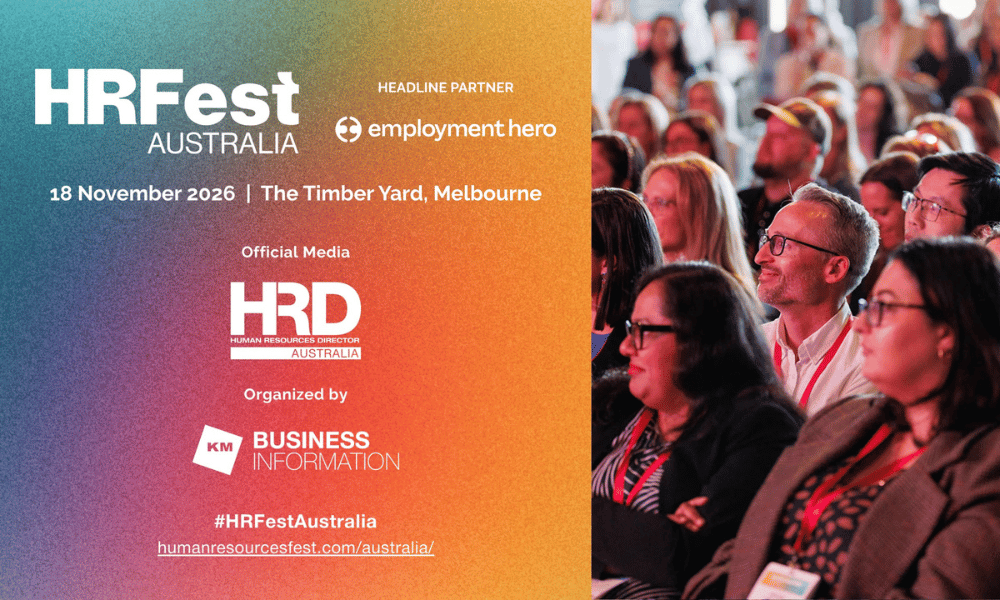
Lawrence will speak at HRFest Australia 2026, which takes place at The Timber Yard in Melbourne on 18 November 2026. She told HRD that workplace relations now needs to be treated as a boardroom priority.
The most publicised reform is the Victorian Government's work from home legislation. Introduced on 16 June 2026, the Equal Opportunity Amendment (Work from Home) Bill 2026 would give eligible Victorian employees the right to work from home two days a week where reasonable, pro rata for part-time and regular casual staff.
The bill has stalled for now. The Legislative Council referred it to a select committee, which is due to report by 20 October 2026, and further debate is deferred until then. Government amendments announced on 10 September 2026 clarified, among other things, that employers are not responsible for internet and basic utility costs. Because of the committee referral, the bill is unlikely to pass before the November state election unless Parliament is recalled.
Lawrence said the latest changes deserve attention. "We know there's been some last-minute changes that the government proposed to that bill, even though it's been sent off to a committee around the resources that employers have to provide and how that arrangement might be ended."
Some Victorian reforms are already law. On 1 July 2026, Victoria became the first Australian jurisdiction to restrict NDAs in workplace sexual harassment matters. Under the Restricting Non-disclosure Agreements (Sexual Harassment at Work) Act 2025, such an NDA is valid only if the complainant requests it, receives a mandatory information statement and has a 21-day review period to seek advice.
These rules change how employers use settlement deeds, the formal agreements typically used to resolve a complaint or exit an employee.
"Any employers who have to deal with that difficult issue definitely need to be across those particular restrictions because they really do limit the ability to use what we'd normally just refer to as a deed," Lawrence said.
Psychosocial safety is also a pressing issue. The Occupational Health and Safety (Psychological Health) Regulations 2025 took effect on 1 December 2025, requiring employers to identify psychosocial hazards and eliminate associated risks so far as is reasonably practicable.
"I think they've taken action against 4 employers to date for failing to meet their obligations when it came to bullying and harassment. So if employers aren't taking any steps in that space yet, they definitely should," Lawrence said.
She expects the issue to become more complicated as the regulations are applied in practice. "And that bleeds into all different areas, including not only safety, but, you know, how do you performance manage someone who might be dealing with issues like this or dealing with conduct issues which might be related to, for want of a better word, mental health concern."
Workplace surveillance is next on the horizon. Victoria has no dedicated workplace surveillance law, but a parliamentary inquiry report released on 13 May 2025 made 18 recommendations, and the government has supported 15 of them in principle.
The committee recommended technology-neutral laws requiring employers to show that surveillance is reasonable, necessary and proportionate, and to notify and consult employees.
"And once again, that isn't the law yet. I think it's something we'll definitely see either on a state level or I think federally, just given how fast the world is moving," Lawrence said.
Generative AI is also changing how disputes reach the tribunal. The Fair Work Commission's caseload is expected to have grown by more than 70 per cent over three years, and Commission Members reported signs of AI use in 50 to 75 per cent of cases they handled in the six months to March 2026. The tribunal has now introduced the Fair Work Commission's new rules for AI use in cases.
Lawrence warned that HR professionals are not immune. "We've seen a number of people in the HR profession get caught out using AI, particularly with it drafting things. So again, I think it's good to just make sure people are aware that whilst it's a wonderful technology, they just need to know where the limitations are and the things to check so you don't end up in trouble and embarrassed in front of the Commission because you produced a fake case that doesn't exist."
Why HRFest 2026 matters for Victorian people leaders
Lawrence said events such as HRFest give practitioners a chance to step back from day-to-day pressures. The program covers the six core themes shaping HRFest 2026, including psychosocial compliance and AI.
"And I think it really allows you to pop up and get some perspective and see what other people are doing, maybe get some ideas about how to manage certain things that you might be struggling with or you may not yet have had the opportunity to address," she said.
Attendees can plan their day by exploring what's happening across HRFest Australia's four stages before registering.