His union pulled out two days before the deadline - then the Commission looked closer
A sacked worker filed his unfair dismissal claim one day late. The Fair Work Commission decided he should still be heard.
In a decision published on August 26, 2026, the Commission agreed to accept an unfair dismissal application that arrived a day past the deadline, after the worker's union pulled out of his case two days before the clock ran out. The ruling is a useful marker for HR and industrial relations teams on when the 21-day filing window can stretch - and when it can't.
The worker was dismissed from Tyree Transformers on June 11, 2026. That gave him until midnight on July 2 to lodge an unfair dismissal application. He filed on July 3.
The delay came down to the final week. He had asked his union for help the day after he was dismissed. A union legal officer took up the file, got internal sign-off to act for him, and finished a claim form on June 29 while on annual leave. A day later, the union changed course. On June 30 - two days before the deadline - it told him it would not take his case, citing budget constraints. It never handed him the form it had already drafted.
That left him to file on his own, with the deadline closing in and no experience of the process. He had been told the union would handle everything.
He also produced medical evidence. His doctor saw him on July 3 and described him as being in a “significantly emotionally distressed state.” The evidence recorded a history of Adjustment Disorder with Mixed Anxiety and Depressive Symptoms and Insomnia Disorder, and connected his decline to the union's decision and his discovery, shortly before the deadline, that it would not act for him.
The Commission can only accept a late claim where there are “exceptional circumstances.” It worked through the six factors the Fair Work Act sets out.
The employer opposed the extension. It argued the worker knew the deadline, knew by the morning of June 30 that the union was gone, and still had more than 60 hours to file. It noted he did not see a doctor about the claimed impairment until July 3, the day after the deadline, and had been emailing the union regularly the week before. It also said it was not a large corporation and had no industrial relations specialists, so defending a late claim would drain scarce management time.
The Commission was not persuaded. It treated the union's about-face as close to representative error - the delay flowed from someone acting for the worker, not from his own inaction - and found he was “blameless” for the period up to June 30. For the final days, it accepted the medical evidence of a temporary incapacity triggered in part by the union's decision. It found no material prejudice to the employer from a one-day delay, and the remaining factors were neutral.
That was enough. The Commission found exceptional circumstances and extended the filing period to July 3, 2026, pointing to the Act's aim of a “fair go all round.”
On the underlying dismissal, the Commission was careful. It said it could not make any “firm or detailed assessment of the merits” without hearing the evidence, but found the worker had an “arguable case” - a low bar for the extension question, not a ruling that the dismissal was unfair.
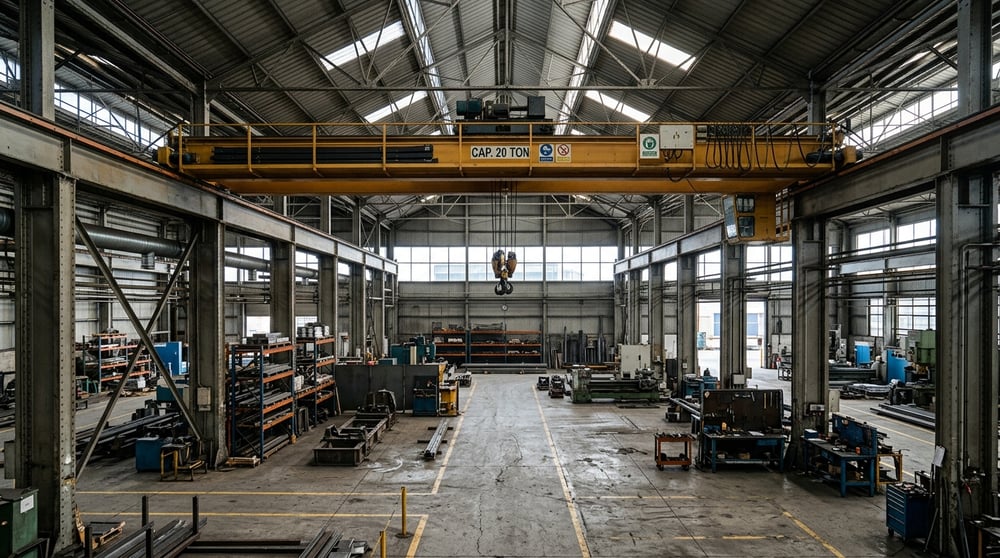
The backdrop matters for anyone running a misconduct dismissal. According to the decision, the termination followed the worker emailing colleagues about a factory crane fault, after he had raised safety concerns and lodged an accepted workers' compensation claim. The employer's termination letter gave reasons including “singling out, victimising, humiliating and intimidating” a manager, and framed the dismissal as “serious misconduct” under its anti-discrimination, bullying and harassment policy and code of conduct.
For HR, three signals stand out. A last-minute loss of union representation does not automatically sink a worker's claim. The employer's argument that it was not a large corporation with dedicated resources did not stop the extension when the merits were still live. And a serious-misconduct dismissal built on how a worker raised internal concerns should be expected to face scrutiny.
None of the dismissal reasons has been tested. The Commission decided only that the worker's claim can go ahead - not that he was wronged.