The timing of his rights complaint helped sink his push to be reinstated
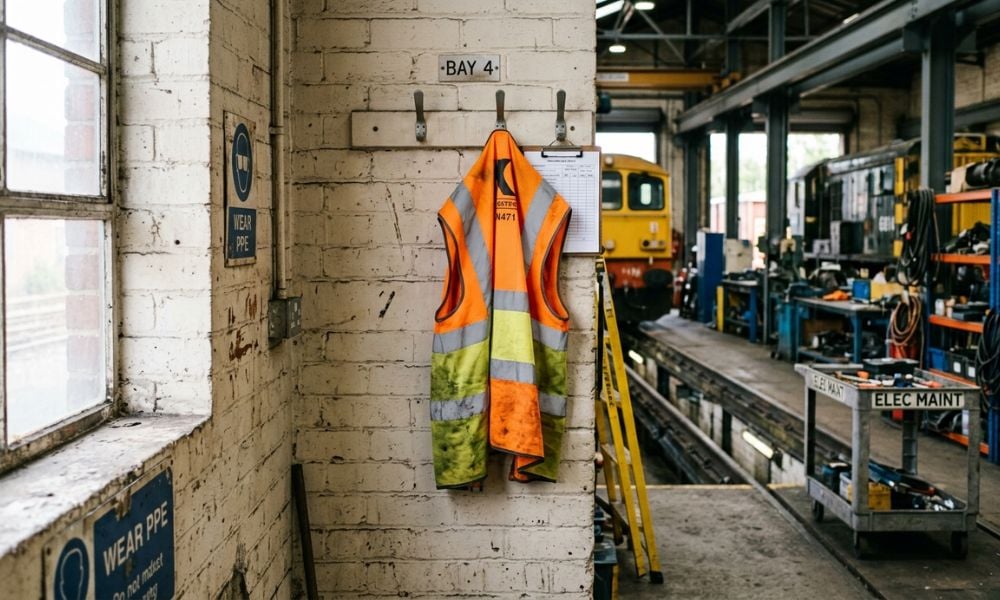
A dismissed Sydney Trains apprentice cannot force his way back into the job while a disability discrimination complaint runs, the Federal Court has ruled.
The court knocked back the worker's bid for an urgent injunction - a fast-track court order that would have put him back on the job while his complaint runs its course - on August 27, 2026. For HR teams, the decision is a clean read on how far a live discrimination complaint can, and can't, reach back into a completed dismissal.
The build-up will look familiar to anyone who runs disciplinary matters. Sydney Trains hired the worker as an electrical apprentice in January 2024 on a fixed four-year term. In November 2024, five apprentices reported a series of incidents involving him. The employer suspended him on pay from December 2024, referred the matter to its Workplace Conduct Investigations Unit, and ran a formal investigation.
By April 2025, the investigation report found all eight allegations of inappropriate conduct substantiated and concluded he had breached the Transport Code of Conduct along with the employer's dignity and respect and anti-discrimination procedures. He was given a chance to respond and met with the employer's head of people and culture. He then asked a Transport for NSW disciplinary panel to review the outcome. The panel found the dismissal was not “harsh, unfair or unreasonable.” His employment ended in November 2025.
Only after that did he lodge his complaint with the Australian Human Rights Commission, alleging his suspension and dismissal were driven by disability discrimination connected to his ADHD. He then asked the court to step in under a section of the Human Rights Commission Act that lets a judge make a temporary order while a complaint is still open.
The court did not decide whether discrimination occurred, and left the employer's findings alone. It treated the strength of his claim as neutral. The narrower question was whether reinstatement would protect the complaint process itself. The court held it would not. Because he was no longer employed when he complained, putting him back on the payroll could not restore any earlier state of affairs. The worker also accepted that reinstatement would not give him leverage in the Commission's conciliation talks. The court found he could take part in that process just as well without his job back.
The practical trade-offs pointed the same way. He was dismissed partly for a “breach of trust and confidence,” and the court noted that a soundly based loss of trust weighs against reinstatement. He had conceded he could no longer finish his apprenticeship inside the contract term, had waited until April 2026 to bring the application, and had since taken casual work with another employer at a lower income.
The court dismissed the application, with no order as to costs on either side.
The takeaway for HR is practical. A separate discrimination complaint does not hand a worker an automatic route back into the building while it plays out - particularly where the complaint lands after termination, where a documented investigation supports a trust-and-confidence breakdown, and where delay sets in. The process steps here - investigation, a right to respond, an independent review - held up against an urgent challenge. This kind of temporary court order exists to protect the complaint process, not to unwind a finished dismissal.
The dismissal and the underlying findings were the employer's. The discrimination allegation is the worker's, and it has not been tested. The Commission complaint continues.