Essentials costs up 6.1% and wage growth trailing by 1.4 points put pressure on pay reviews, award costs and employee financial wellbeing
Australia's annual inflation rate rose to 4.9 per cent in the 12 months to October 2026, up from 4.3 per cent in September. That puts headline price growth well ahead of wages and adds pressure on employers heading into 2027 pay reviews.
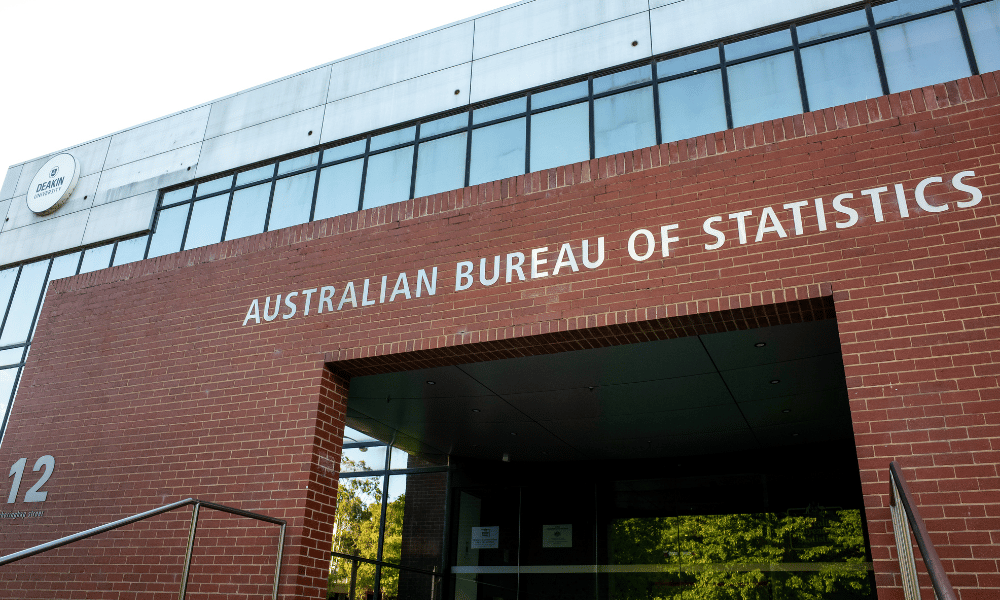
According to the latest Australian Bureau of Statistics (ABS) Consumer Price Index (CPI) data released today (25 November), trimmed mean inflation also rose, from 3.6 per cent to 3.8 per cent.
Trimmed mean is the measure the Reserve Bank of Australia (RBA) uses to track underlying price pressure. It removes the most extreme price movements each month. Prices rose 0.5 per cent in October in original terms and 0.7 per cent seasonally adjusted.
Electricity and fuel drive the inflation spike
Housing was the largest contributor to annual inflation, rising 6.4 per cent. "The 6.4 per cent rise in annual inflation for Housing reflected increases for both Electricity and New dwellings expenditure classes," said Rachael McCririck, ABS head of price statistics.
Electricity prices rose 25.2 per cent over the year, up from 12.8 per cent in September. "The rise in electricity reflects Commonwealth government rebates, which reduced household electricity costs last year but are no longer in place," McCririck said. New dwelling prices rose 5.1 per cent as builders passed on higher costs for materials and labour.
Transport was the second-largest contributor, rising 10.6 per cent. Automotive fuel prices rose 6.3 per cent in October alone, which the ABS attributed to higher world oil prices.
Why the 'essentials' gap matters for employees
The ABS figures also show how unevenly price rises are landing on households, which matters for employers. Non-discretionary items rose 6.1 per cent over the year. These are the essentials workers can't cut back on, such as power, fuel and housing. Discretionary spending categories rose 3.2 per cent.
Goods prices rose 5.8 per cent, compared with 4.0 per cent for services.
Where staff are based also matters. Annual inflation was highest in Hobart (6.0 per cent), Adelaide (5.7 per cent) and Perth (5.5 per cent), and lowest in Melbourne (4.4 per cent). Sydney recorded 5.1 per cent, with housing costs there up 8.0 per cent. Employers with national workforces may see cost-of-living pressure, and pay expectations, vary sharply between locations.
What does this mean for HR leaders and pay reviews?
Pay rises have fallen behind again. The ABS Wage Price Index for the September quarter 2026, released on 18 November, showed wages rose 3.5 per cent annually. That was the strongest quarterly growth since December 2023.
Even so, it is now about 1.4 percentage points below headline inflation. This is an approximate comparison, because the WPI is quarterly and the CPI figure is monthly. HRD previously reported on Australian wages recording their strongest quarter since December 2023.
Award-reliant workers are also exposed. The Fair Work Commission's Annual Wage Review 2026 decision increased modern award rates by 4.75 per cent from 1 July 2026. It also lifted the National Minimum Wage by about 6 per cent to $26.44 an hour.
The award increase is now below October's headline inflation rate. As HRD covered in its report on Australia's minimum wage rising 4.75 per cent from July 2026, the Commission set that increase so award-reliant employees would not be worse off in real terms than they were on 1 July 2025.
A softening jobs market complicates the picture
Rising prices are coming at the same time as a cooling labour market. The ABS Labour Force release for October 2026 showed seasonally adjusted unemployment rose to 4.9 per cent, its highest level since October 2021. Youth unemployment reached 11.3 per cent. HRD examined the figures in its coverage of Australia's unemployment rate reaching its highest since 2021.
On 3 November 2026 the RBA lifted the cash rate to 4.85 per cent. It was the fifth increase of the year, and three of the nine board members voted against it. Higher mortgage repayments on top of rising essentials costs could feed into financial stress among staff. That stress can show up in absenteeism, demand for Employee Assistance Programs (EAPs) and more requests for pay rises outside the usual review cycle.
For HR teams, this means a harder balance than in recent years. Employees will push for pay rises that keep up with essentials costs, while employers face a slowing economy and tighter budgets. Practical options include:
- Reviewing salary budgets against non-discretionary inflation, not just headline CPI
- Checking award rates and payroll settings to avoid underpayment
- Promoting financial wellbeing support and EAPs before stress turns into lost productivity