Singapore's first anti-discrimination statute is about a year away. One of the hardest situations it will test is when an employee's religious beliefs about women meet a workplace committed to equality
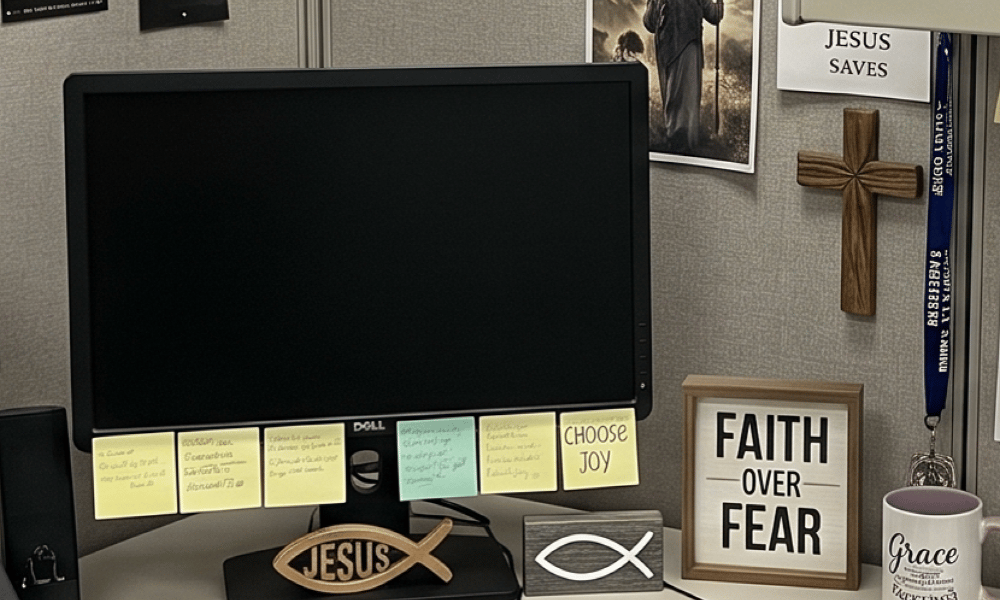
By the end of 2027, the Workplace Fairness Act is expected to take effect, turning Singapore's long-standing fair employment guidelines into enforceable law. Religion and sex will both be protected characteristics. That means HR teams will need a clear approach for situations where the two come into conflict.
"Singapore watched how this played out in other jurisdictions. This Act reflects the lessons learnt, balancing protection with workplace harmony," Nicholas Ngo, a managing associate at Simmons & Simmons JWS, told HRD Asia.
Recent news from abroad shows what other jurisdictions are dealing with. This week the BBC reported on Doug Wilson, an Idaho pastor whom the U.S. defence secretary, Pete Hegseth, has called his mentor. Wilson wants women's constitutional right to vote repealed and favours "household voting", in which the head of a family, usually a man, votes for the whole household. His views are far outside the mainstream, but the workplace question they raise is not.
From guidelines to law
Parliament passed the Workplace Fairness Act on 8 January 2025, and a second bill setting out how disputes will be resolved passed in November 2025. Until the Act takes effect, the Tripartite Guidelines on Fair Employment Practices continue to apply.
The Act prohibits adverse employment decisions on the ground of protected characteristics. Religion and sex are both on the list, alongside:
- age
- nationality
- marital status
- pregnancy
- caregiving responsibilities
- race
- language ability
- disability
- mental health condition
Two details matter for this issue. First, the Act's protection for sex does not extend to sexual orientation or gender identity. Second, religious organisations will be allowed to make employment decisions based on religion, according to the Ministry of Manpower. Smaller employers are expected to be exempt from most of the Act.
Read next: Singapore's first anti-discrimination law: what HR needs to do before 2027
Two different legal routes
The Workplace Fairness Act is aimed at employment decisions such as hiring, appraisals, promotion and dismissal. Workplace harassment is dealt with mainly through the Protection from Harassment Act 2014 and the Tripartite Advisory on Managing Workplace Harassment, which the Tripartite Alliance for Fair and Progressive Employment Practices (TAFEP) oversees.
For this issue, that splits the risk in two:
- Decisions. A manager whose religious views lead him to pass over women for promotion would be making exactly the kind of decision the Act targets.
- Behaviour. An employee whose remarks about women's roles create a hostile atmosphere would be handled mainly under the harassment framework.
The two routes call for different responses. A decision has to be shown to rest on merit. Behaviour has to be addressed under your harassment policy.
Applying the Act in practice
These points are indicative only and are not legal advice.
- When an employee's faith is the issue: Once the Act is in force, an adverse decision against an employee because of their religion will be unlawful.
- When a manager's beliefs shape decisions: A manager who limits women's opportunities because of his beliefs exposes the company to a sex discrimination claim. Records showing the decisions were based on merit will be the employer's main defence.
- When remarks target colleagues: Comments directed at female colleagues about their place at work are a harassment issue to handle under the Tripartite Advisory and existing law.
Read next: Employers face new compliance rules and higher tribunal limits following passing of bill
Five steps for Singapore employers
- Audit decision points now. Promotion and appraisal decisions are where personal beliefs can quietly turn into sex discrimination.
- Document reasons based on merit. Under the Act, employers will need evidence, not just assurances, to defend their decisions.
- Check whether you're covered. Smaller employers are expected to be exempt, but following the guidelines is still good practice.
- Keep two separate processes. Discrimination in decisions and harassment in behaviour follow different routes, so make sure both are mapped in your policies.
- Train managers before 2027. The grace period is the time to change habits.
Religious harmony and fair employment are both long-standing values in Singapore. By the end of 2027, protection for religion and for sex will both have the force of statute behind it.