Delivery app account sharing lands two foreign workers and three Singaporeans in court in the latest EFMA prosecution
Five individuals have been charged in Singapore in connection with work pass violations. This serves as a reminder for HR teams of Singapore's strict laws in employing foreigners.
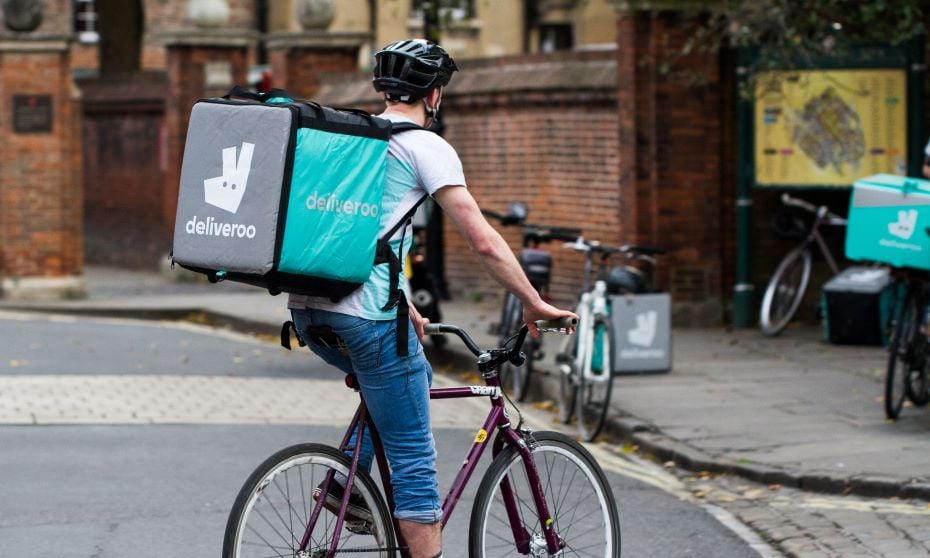
On 24 November, Singapore's Ministry of Manpower (MOM) confirmed the charges, which involve two foreign nationals and three Singaporean citizens. The case centres on food delivery work allegedly performed without valid work passes on platforms including Deliveroo, GrabFood, and Foodpanda.
The charges were brought under the Employment of Foreign Manpower Act 1990 (EFMA). The Act governs the conditions under which foreigners may work in Singapore.
How did foreign workers perform delivery work illegally in Singapore?
The two foreign nationals – Chan Sikeen, a 35-year-old Malaysian, and Zhang Jiaqi, a 28-year-old Chinese national – allegedly performed delivery work without valid passes. They did so by accessing food delivery accounts registered to Singaporean citizens. This enabled them to circumvent the identity verification steps built into those platforms.
Three Singaporean men were also charged for allegedly enabling these arrangements. Ernest Ong Qi Xiang, Tan Teck Lye, and Muhammad Zhafran Bin Mohamed Nasir are all Singaporean. Each faces charges of abetting illegal self-employment under the EFMA.
Tan Teck Lye faces an additional charge under the Penal Code 1871. One of the three allegedly arranged for a foreigner to use another person's delivery account in exchange for a fee.
What penalties do the five accused face under the EFMA?
Under the EFMA, both illegal workers and those who assist them face penalties of up to S$20,000. A custodial sentence of up to two years may also apply, or a combination of both.
Foreign nationals convicted of the offence are also barred from future employment in Singapore. MOM reiterated that it treats illegal platform work as a serious matter and will continue enforcement action.
This case is a reminder that liability under the EFMA is not limited to foreign workers. Singaporean employees who facilitate or abet illegal work arrangements even without formal oversight roles may face prosecution.
HR leaders should not assume that platform-based or gig-style work arrangements fall outside their compliance remit. Where Singaporean staff hold accounts on digital labour platforms, those accounts can be misused. The legal consequences fall on the account holder too, not just the person who performed the work.
How to build compliance into the workforce program
The best time to communicate the rules is before a worker starts, not after an infringement has occurred. HR teams overseeing foreign workers in Singapore should consider embedding work pass obligations into three key touchpoints.
First, the employee handbook. A clear section on work pass conditions reduces ambiguity and creates a documented reference point. It should cover restrictions on the types of work a pass authorises, and the prohibition on self-employment without approval.
Second, the onboarding program. A structured briefing on EFMA obligations for new foreign hires reinforces the rules once they join the workforce. Where possible, deliver it in the worker's preferred language.
Third, the annual compliance refresh. Employment law in Singapore changes regularly. MOM announced updates to its Work Permit and S Pass frameworks in 2026, with salary and levy changes rolling out through 2028.
A yearly refresher ensures workers and local staff stay current with any shifts to the framework. The Readers' Choice 2026 report on Asia's top HR service providers highlights the platforms and partners helping organisations manage compliance at scale across the region.
HR leaders should use this case as a prompt to remind foreign employees of a critical rule. Any work not covered by their pass, including gig work, is a criminal offence in Singapore.