A valid reason to dismiss, a clean record, and the steps the Commission found were missed
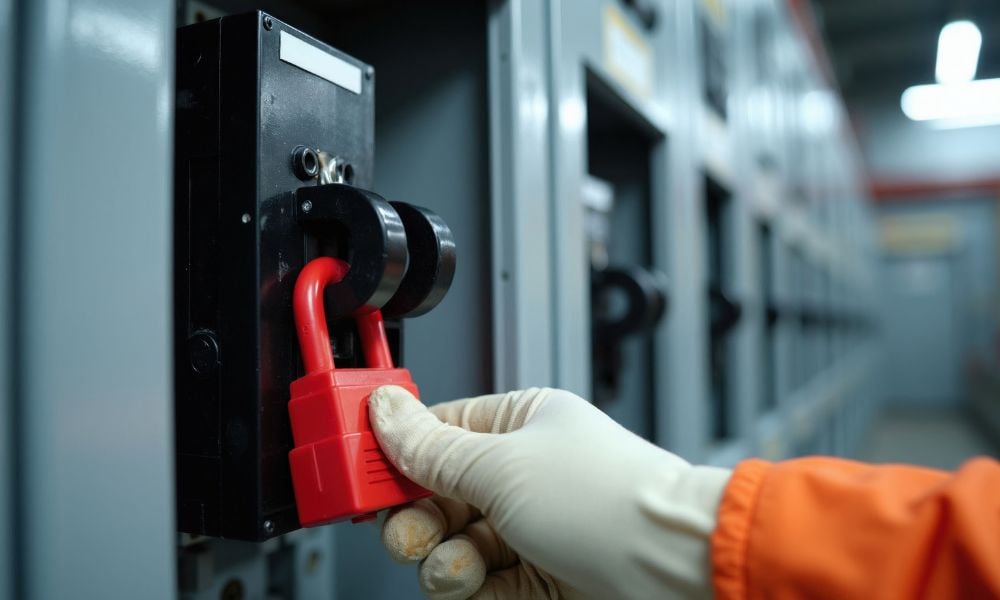
A safety breach gave an employer a valid reason to dismiss a worker. The Fair Work Commission still found the dismissal unfair.
In a decision issued on July 14, 2026, the Commission found that a mechanical fitter and leading hand on the Snowy 2.0 hydro project had not followed the site's permit-to-work and isolation procedures during a pipe inspection. That gave his employer, SC Hydro Pty Ltd, a valid reason to dismiss him. The Commission nonetheless held the dismissal was harsh and unreasonable, based on how the disciplinary process was handled.
The worker and a co-worker inspected pipework on a wastewater settling tank on June 11, 2025. They assessed the task as low risk and used a single-point isolation rather than signing on to the full permit. Other crew members raised concerns that the correct isolation steps had not been followed. A health and safety investigation and a separate industrial relations investigation followed. The worker was stood down on pay in late June 2025 and dismissed on January 19, 2026, after about three and a half years of service and with no prior disciplinary record.
The Commission accepted that the worker had not complied with the permit and the isolation and tagging procedure, and that this was a valid reason for dismissal. But it pointed to several matters that, taken together, made the dismissal harsh and unreasonable.
The employer's stated reason for dismissal included a finding that the conduct put the worker and others at risk. The Commission found no evidence to support that. It preferred the evidence of the worker's co-worker, a qualified plumber, on the low water pressure involved, and noted that the supervisor had appeared to distance himself under cross-examination from his witness-statement account of a "real risk of bodily injury."
Internal records assessed the conduct as a "reckless violation," and a root cause analysis described the driver as "poor behaviour and attitude that contributed to the wilful violation." The Commission did not accept that the conduct was deliberate. It also found that the employer had never put its wilful-violation view to the worker before deciding to dismiss him.
The Commission found that the industrial relations advisor had told the hearing there was no apology from the worker, when he had in fact apologised in his written response of June 25, 2025. The advisor accepted that an apology "might have" affected her recommendation.
The Commission further found that the employer had not considered any disciplinary option short of dismissal, such as a warning or additional training. It also observed that about five months had passed between the recommendation to dismiss and the dismissal taking effect, describing the delay as "grossly excessive" and noting the employer's own psychosocial safety obligations while the worker remained suspended.
Weighing the statutory criteria, the Commission held that the seriousness of the breach was outweighed by the worker's good employment and safety record, the absence of any potential for harm, the finding that the conduct was not deliberate, the overlooked apology, and the employer's failure to consider alternatives to dismissal. The dismissal was therefore harsh and unreasonable, and unfair within the meaning of the Fair Work Act.
The Commission declined to order reinstatement. Given the safety-critical tunnel environment, and its concern that the worker remained focused on the level of risk rather than on the applicable procedures, it could not be satisfied there was no future risk of a further breach. Whether the worker receives compensation, and any amount, will be decided after the parties file further evidence and submissions.
For HR, the decision is a reminder that a valid reason is only one part of a fair dismissal. The Commission's findings turned on process: putting adverse conclusions to the employee, taking account of their response, considering alternatives to dismissal, and progressing the matter without undue delay.
The decision resolves the question of liability - the Commission found the dismissal unfair and refused reinstatement - but does not resolve remedy. The amount of any compensation, if ordered, remains to be determined.