One dismissal ground collapsed at the tribunal - the second one still ended her case
A cruise operator sacked a night porter on two grounds. A tribunal rejected one - and still upheld the dismissal.
On September 8, 2026, the Fair Work Commission found that Captain Cook Cruises had a valid reason to dismiss one of its night porters, and that the sacking was not harsh, unjust or unreasonable. It threw out her unfair dismissal claim.
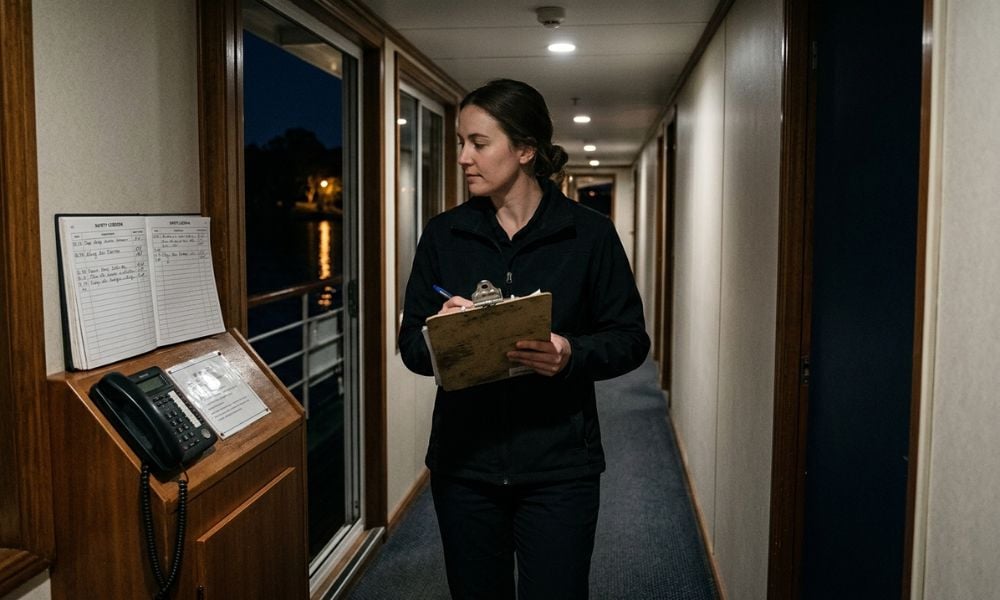
Two duties sat at the centre of the case. Overnight on a Murray River cruise vessel, the worker had to check the ship's engine every hour and sign a logbook to confirm each check. Those entries did two jobs. They told the captain the generator was running safely, and because she worked alone through the night, they also kept tabs on her - a missing entry was the captain's cue to make sure she was okay.
The company dismissed her on February 5, 2026. It relied on allegations that she had spoken rudely to the captain on December 1, 2025 and had signed off engine checks before carrying them out on January 13, 2026. Its letter to her set out three allegations in all, and the termination letter upheld two of them.
On the rudeness, the Commission sided with the worker. She accepted her tone had been inappropriate, but the evidence showed she still did her job that shift as directed. Rudeness on its own, the Commission found, was not a valid reason to dismiss her.
The safety logs decided it. Nobody disputed that the worker had signed at least two hourly checks ahead of time. A senior captain gave evidence that when he checked the logbook at 3.50am, the entries were already initialled through to 6am, with only the 7am slot left blank. The worker disputed part of that account and pointed to poor lighting and a wrist injury that had her writing with her left hand. The Commission was not persuaded.
The Commission preferred the senior captain's evidence, calling it clear and consistent, and found the worker had filled in the checks ahead of time. Signing even one time-sensitive safety check early, it held, was a breach serious enough to justify dismissal on its own.
Process did not change the outcome. The Commission found the company had acted fairly: it set out the allegations in a letter on January 14, 2026, met the worker on January 16, invited a written response that she gave on January 18, and issued a termination letter on January 22.
The worker had asked the Commission to weigh the wider context. She alleged that a passenger had sexually assaulted her the night before the rudeness incident, and said that when she reported it, the captain's response left her feeling “shut down and unsupported”. The Commission made no finding on the alleged assault. Once it decided the rudeness was not a valid reason for dismissal, it held that resolving that question was unnecessary.
One thread runs straight to HR practice. The Commission found the company's most senior people-and-culture witness to be unreliable and inconsistent - unwilling to make reasonable concessions and unclear about which parts of her evidence were firsthand. The evidence that carried the employer's case came from its operational managers, not its HR function.
The application was dismissed.