Workers were told to stay home, stopped getting paid, then fired retroactively
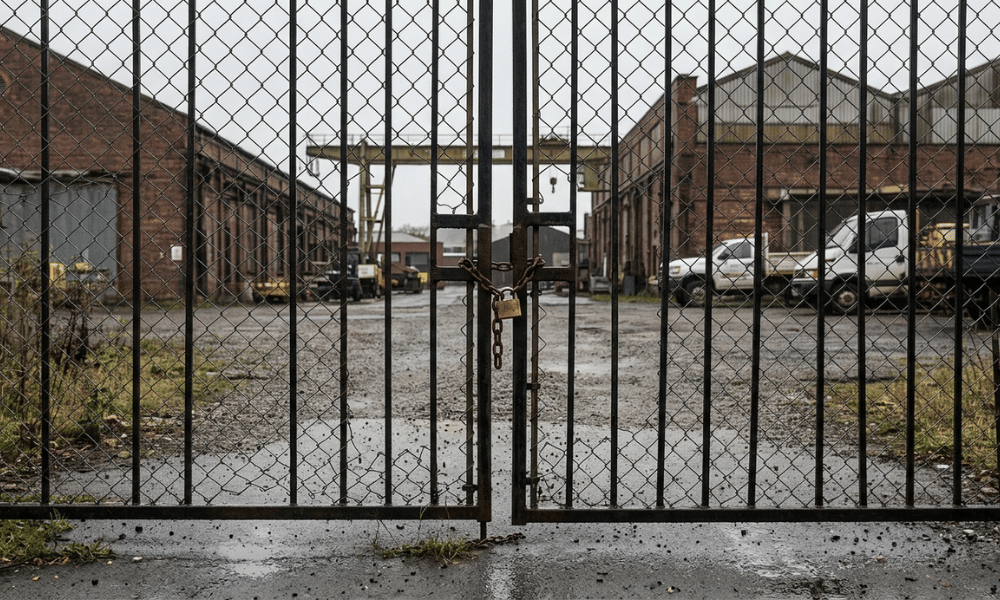
The worker was told to stay home on pay. Then the pay stopped. Then, six weeks later, the email arrived: everyone was fired - effective two weeks ago.
The Fair Work Commission was not impressed.
In a decision handed down on September 21, 2026, the Commission found that an employer's attempt to back-date a mass termination had no legal basis, and that the worker's general protections application had been filed within time.
The worker had been employed by Agripower Operations since April 2025.
On March 5, 2026, a company staff member texted all employees asking them to "remain off site on pay until resolved," apologising for delays in wage payments. The worker complied. He stayed home and waited.
Then came April 13.
The company's managing director emailed to say all site staff had been "terminated as at 31 March 2026" and the site placed on lockdown. The email cited months of inactivity at the site - "literally since early December" - along with cash flow difficulties, the wet season, and delays to overseas investment.
The managing director said the company had tried to explore reduced hours and alternative employment arrangements but could not reach agreement with staff. He added that he had "personally funded wages and other expenditures for some months" and expected operations to restart within 10 to 12 weeks.
The worker saw it differently. In his witness statement, he said he had not received wages since early March 2026, had been given no formal termination notice, no separation certificate, no final pay, no annual leave payout - and no superannuation contributions since September 2025.
He filed a general protections application with the Commission on May 4, 2026 - 21 days after the April 13 email.
The timing was the threshold question. If the termination took effect on March 31, as the company claimed, the application was out of time. If it took effect on April 13 - when the worker actually found out about it - the application fell within the 21-day statutory window.
The Commission formed a preliminary view and gave the employer until July 16 to file a response.
The company did not file one.
Citing the Full Bench authority in Ayub v NSW Trains, the Commission noted that a dismissal does not take effect until it is communicated to the employee in a way that gives them a reasonable opportunity to learn of it. Back-dating an email does not start the clock.
There was one wrinkle. The worker had not been paid since early March, which might have supported an argument that the employment had effectively ended before April. But the company itself had told staff to remain off site "on pay." That message undercut any suggestion the relationship was already over.
The ruling: the worker learned of his dismissal on April 13, filed on May 4, and was within time. The Commission now has jurisdiction to convene a conference to help resolve the dispute.
This is a jurisdictional finding only - the Commission has not yet dealt with the substance of the general protections claim. The employer has not filed a response to the application at any stage.
For HR teams, the practical takeaway is simple: a dismissal is not effective until the employee actually knows about it. Back-dating a termination does not move the clock - it just hands the worker an argument.