He caused the spill and admitted the breach - so why was he reinstated?
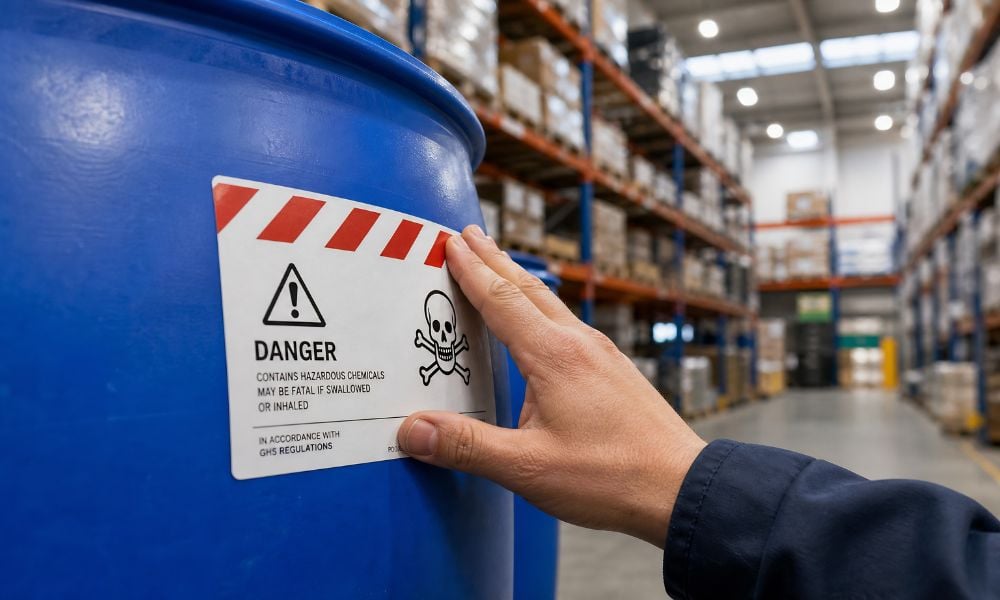
A FedEx driver dismissed after an acid spill that left him and a co-worker with burns has been ordered reinstated. The sacking, a tribunal found, went too far.
In a decision handed down on July 9, 2026, the Fair Work Commission found that FedEx Express Australia had a valid reason to dismiss the leading hand delivery driver, and had run a fair process. Even so, it ruled the dismissal harsh - though notably not unjust or unreasonable - largely because a colleague who was primarily responsible for the poor spill response kept his job.
The core facts were not really in dispute. On November 10, 2025, at FedEx's Unanderra depot near Wollongong, the driver dropped a box in his truck. It held sulphuric acid in glass containers and was clearly marked as a dangerous good containing glass, but he did not look closely enough to see the label. The acid leaked. He and a casual dock hand suffered moderately serious burns.
FedEx investigated over several weeks and then summarily dismissed him for serious misconduct on January 28, 2026, citing breaches of its manual handling policies and its spill-response procedure. He lodged an unfair dismissal application two days later.
The Commission accepted FedEx had a valid reason. The driver breached the company's package handling rules, and as a senior hand he was expected to set an example. The process was fair too: reasons were given in writing, meetings were held, and a union support person was allowed.
The turning point was the "any other matters" stage of the test. The Commission found the spill was an accident, not deliberate, and that the driver was injured and in shock when he failed to follow the spill procedure. Most significantly, another leading hand who directed the clean-up accepted responsibility for a casual worker's injury, and the Commission found the deficient spill response was primarily his doing. He was not dismissed. The Commission also found the driver could not be held accountable for how the casual workers later handled the dangerous liquid. Punishing one worker far more harshly than another for comparable conduct was not fair, the Commission held.
Depot culture worked against FedEx as well. The Commission viewed footage of packages being thrown and kicked and employees climbing over conveyors, with no discipline following. FedEx had since tightened its dangerous goods handling, a change the Commission said would likely have prevented the spill.
The worker's circumstances also counted. He is 57, had not found comparable work since the dismissal, and supports a 14-year-old daughter with a disability.
The Commission ordered reinstatement to his old role, continuity of service, and five weeks' pay plus superannuation, all within 14 days. It stopped short of restoring his full lost wages, stressing that safety breaches must carry consequences. The result was a reinstatement, not a clean bill of health.
For HR leaders, the case is a study in consistency and proportion. A real safety breach does not hand an employer a free pass to dismiss. When two employees engage in comparable conduct and only one is sacked, the harsher decision becomes the weak point. Mitigating factors - an accident rather than intent, injury, shock, and a failure driven partly by someone else - all shape whether a dismissal is proportionate. And a workplace where safety rules are openly ignored undermines the employer's hand when it finally moves to enforce them.