
Shifts in every one of 62 weeks shaped the Commission's jurisdiction ruling
A pool operator argued a casual lifeguard could not bring an unfair dismissal claim. The Fair Work Commission disagreed.
The ruling, handed down in Brisbane on July 15, 2026, carries a familiar lesson for HR: a casual label does not, on its own, decide who can access the unfair dismissal system. What matters is how the work actually ran.
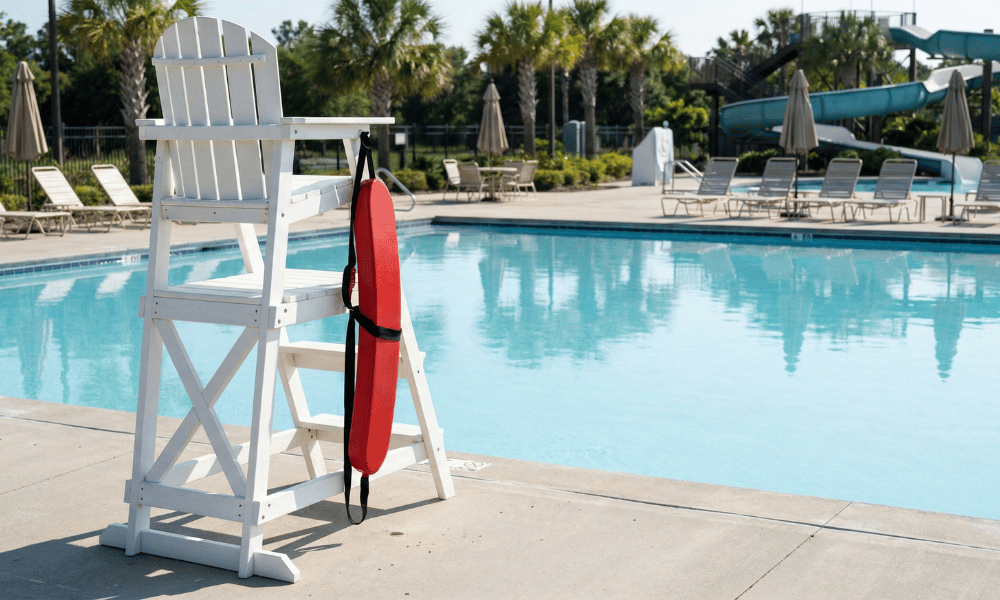
The worker began as a casual lifeguard with Just Sports N Fitness, operated by Australian Crawl (Goodna) Pty Ltd, which runs seasonal aquatic facilities in Queensland. He later moved into a casual duty manager role. After being stood down and then dismissed in February 2026, he lodged an unfair dismissal application.
The employer sought to end the claim before it was heard. It argued the worker was a casual who had not served the minimum employment period - the length of service someone needs before they can bring an unfair dismissal claim. Because the business was not a small business employer, that period was six months. If the objection succeeded, there would be no claim to answer.
The Commission worked through three questions: was he a regular casual employee, did he reasonably expect the work to continue, and had he served at least six months.
The employer relied on the variability of the roster. It said the worker had no fixed hours or days, took opening, closing, mid and weekend shifts according to operational demand, and was often offered shifts the day before or the day of. On that basis, it argued his engagement was too irregular to count.
The Commission was not persuaded. Under the law, it noted, it is the employment that must be regular and systematic, not the hours worked. The records were central. The worker was offered and accepted shifts in every one of the 62 weeks in the relevant period, averaging 31.28 hours a week, with only two weeks falling below 19.5 hours.
On expectation, the Commission applied a two-part test: whether the worker actually expected the work to continue, and whether that expectation was reasonable. Seasonal fluctuation did not break the pattern, the Commission found, because work was offered every week regardless of the season. It also noted that when the worker was stood down on full pay, the employer calculated that pay using his projected roster.
With both elements satisfied, the casual service counted toward continuous service. The Commission found the worker had served at least six months, was a person protected from unfair dismissal when he was dismissed, and dismissed the employer's jurisdictional objection.
The decision does not determine whether the dismissal was fair. The worker was stood down over what the decision describes as alleged conduct issues and dismissed following an investigation, and the Commission made no finding on those matters. The unfair dismissal application will now be listed for a case management conference.
For HR, the practical point is narrow but useful. A casual designation on a contract does not settle whether a worker can reach the unfair dismissal system. Consistent rosters, steady hours and the way a casual is managed day to day can each support a finding of regular and systematic employment - and bring that worker within the protected group.


