The bar was a 200-metre walk from the office - and that proximity shaped the ruling
Australia’s Fair Work Commission has upheld the sacking of a worker who struck a colleague in the head after a work Christmas party.
In a decision on August 24, 2026, the Commission dismissed the worker’s unfair dismissal claim, finding his employer - the Victorian public sector arts agency Arts Centre Melbourne - had a good reason to let him go and had handled the process fairly.
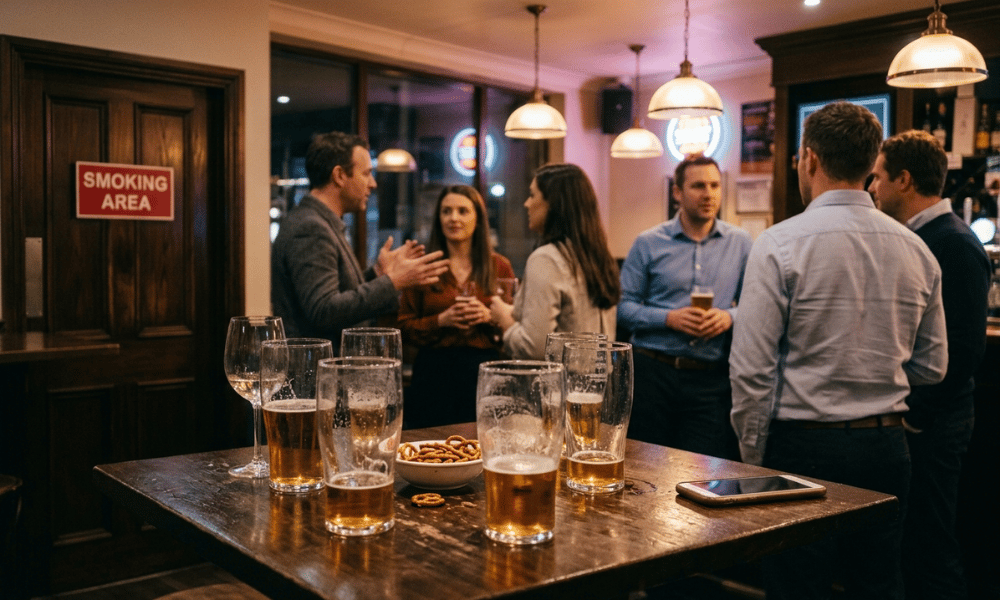
The night started at the agency’s December 2024 Christmas party, attended by around 600 staff. After it wrapped up, groups of workers - about 20 in all - walked roughly 200 metres down the road to a nearby bar. The worker, a building maintenance officer, ended up in the smoking area with a colleague from another part of the organisation. The two had never met.
After an exchange of words, the worker struck the colleague to the head. The colleague fell into a gas heater and then to the ground. The worker left the venue.
The employer suspended him the next day, investigated, and dismissed him for serious misconduct on December 19, 2024. He challenged the decision, arguing the incident happened out of hours and off-site, that he was provoked, and that alcohol served at the party played a part. The Commission was not persuaded on any of those points.
The central question was whether something that happened after hours, away from work, was tied closely enough to the job to justify dismissal. The Commission found that it was. The bar was a short walk from the office, a group of colleagues had gone there together straight from the party, both men were employees, and the fallout followed the colleague back to work. He said he was left “shaken” and “afraid to work alone,” and the Commission noted the worker’s facilities role gave him access to keys, including to the colleague’s office. It also weighed that the worker, as a public sector employee, was bound by conduct rules that required him to treat colleagues with respect and that reached, in part, beyond the workplace.
The Commission accepted that the colleague had been aggressive and had used offensive language, and said he should have been warned for it. But it held that words did not justify a physical blow, and rejected the worker’s self-defence argument, calling it “not necessary, proportional or reasonable” to answer aggressive words and close proximity with a strike.
The alcohol argument also fell away. On the worker’s own evidence he had five drinks across the night, which the Commission said cut against any claim that intoxication drove the incident.
There is a practical evidence point for HR teams here. The employer never watched the venue’s CCTV itself - the footage was later lost - and instead relied on a bar manager’s account given over the phone. On its own, that might not have been enough to support a serious-misconduct finding. But a manager who saw the incident backed up the same version of events, and the Commission found the corroboration met the higher level of proof that serious allegations call for.
The worker’s credibility also took a knock. He had said an offensive remark he made - which the colleague, a gay man, objected to - was something he stayed quiet about because of his faith. He could not explain that reasoning when pressed, and admitted he had held it back partly because it would “make him look bad.” The Commission found the account unconvincing.
The Commission decided the dismissal was not harsh, unjust or unreasonable - the test for an unfair sacking - and dismissed the application.
For HR leaders, the takeaway is that “after work” is not a clean line. When a function rolls on into nearby drinks and someone gets hurt, the consequences can follow staff back to their desks - and a dismissal can hold up, as long as the reason is sound and the process stands.