Professor says employee voice, not technology, should shape workplace AI decisions in 2027
New Zealand employers risk weakening their future leadership if artificial intelligence removes the tasks through which junior staff build expertise, says a professor from the University of Auckland Business School.
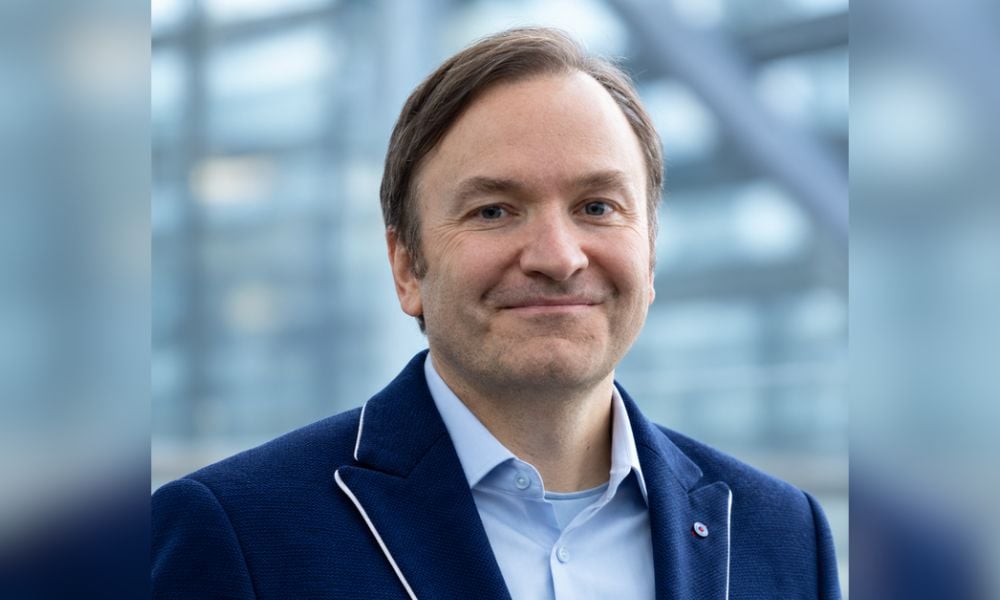
Alexander Richter, Professor of Human-Centric AI and inaugural director of Huanui – The AI Initiative, joined the university in 2026 after more than seven years at Victoria University of Wellington. His research on human-AI collaboration and the future of work has drawn more than 16,000 citations, according to his university profile.
“What worries me isn’t just that young people might struggle to find their first job. It’s that we could eliminate the very tasks through which they develop their expertise,” he says.
Curiosity and insecurity among Kiwi workers
Workers already feel that tension.
“In New Zealand, I see a mix of curiosity, enthusiasm, and legitimate concerns. People can be excited about the opportunities AI creates while also worrying about how their employers might respond to those opportunities,” Richter says.
That unease is measurable. Professor Jarrod Haar of Massey Business School reported in July 2026 that one-third of New Zealand workers fear losing their job to AI, though only 8% are extremely worried. He links that insecurity to anxiety, burnout and intentions to quit.
Richter’s answer is to bring those worries into the open. “In projects I’m involved in, we explicitly ask people what worries them about AI and give critical voices a forum,” he says. “Critical perspectives are valuable because they often highlight risks and unintended consequences that might otherwise be overlooked.”
Why silence is not always resistance
Those voices matter because some pushback is deliberate. In HRD’s coverage of 2027 workforce predictions on AI fatigue, Matt Poepsel of The Predictive Index warned that managers may mistake silence for acceptance.
“We should be careful not to confuse resistance with informed decisions not to use AI. Sometimes employees have very good reasons for avoiding AI in particular situations, whether that’s accuracy, confidentiality or the need to exercise their own professional judgement,” Richter says.
Managers are caught in the middle. “Managers are in a challenging position. They’re often expected to encourage AI adoption while still figuring out what it means for their own work and responsibilities,” Richter says.
They need support to tell the difference, he adds, particularly as workforce resistance puts AI transformation returns at risk. “The goal shouldn’t be to maximise AI usage, but to improve how people work.”
What should HR leaders do in 2027?
A 2025 Stanford Digital Economy Lab working paper using ADP payroll data found a 13% relative decline in employment since late 2022 for 22- to 25-year-olds in the most AI-exposed US occupations.
Richter sees a similar exposure at home. “This is particularly relevant in professional services, finance and technology, where many entry-level roles involve tasks that AI can increasingly perform,” he says.
With most NZ employers expecting AI to reshape their workforce, succession is at stake. “We risk creating a generation of professionals who can produce impressive results with AI but lack the experience to critically evaluate them,” Richter says.
His advice to chief executives and HR directors is direct: “I would urge them to put one question at the centre of their AI efforts: how do we want to work in the future? Employees should have a meaningful role in answering it,” he says.
“Just because AI can perform a task does not mean we should stop doing it ourselves.”