What are the three things HR leaders need in the future?
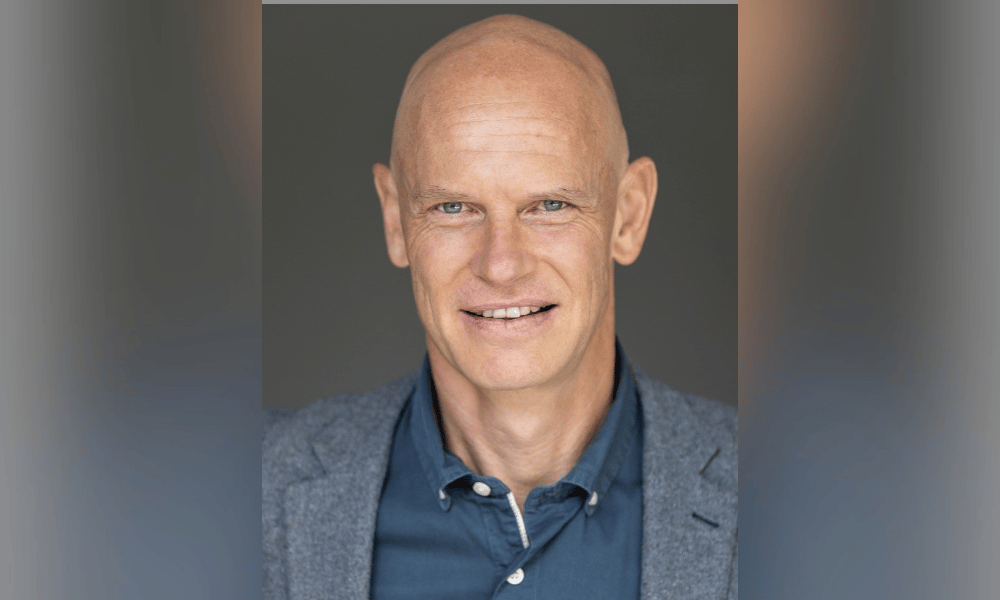
The role of HR leaders in New Zealand manufacturing is shifting from policy and administration towards working alongside operations, according to one expert.
Clive Jardine, head of human resources at Danone New Zealand in Auckland, says the change is visible on site.
"I think HR leadership in manufacturing is moving much closer to the operation. In our operations we have adopted IWS which is Danone's Integrated Work System. It is the way we develop our people and continuously improve how we operate, with the aim of eliminating losses and creating sustainable performance."
And pressure is building. Manufacturing – including food and beverage – faces a skilled-worker gap projected to reach nearly 30,000 by 2030, according to the Manufacturing and Engineering Industry Skills Board's 2026–27 operational plan, citing 2025 Hanga-Aro-Rau research.
Three capabilities for the next HR leader
That demands broader HR skills. AI transformation was the top 2026 priority in Gartner's annual survey of 426 chief HR officers, while most business leaders expect AI to grow workforces, not shrink them.
Jardine goes further. "For me, the future HR leader needs three things. Commercial and operational credibility, so we understand productivity, capability and the ability to continually improve. Digital and data capability, so we can turn workforce information into insight rather than just reporting. And probably most importantly, human leadership capability, because technology will change jobs, but trust, engagement, coaching and good leadership will remain fundamentally human."
In food production, where Danone's Nutricia arm makes infant formula, those capabilities overlap. "Safety, quality, compliance, cost and people outcomes are interconnected. HR cannot treat people strategy as something separate from operational performance."
From reporting data to acting on it
Headline numbers can mislead, notes Jardine. Gallup's State of the Global Workplace 2026 report puts New Zealand employee engagement at 23%, averaged over the three years to 2025.
"Engagement surveys are valuable, but we shouldn't confuse measurement with understanding," Jardine says. Rather than focusing only on how to boost engagement survey response rates, he wants HR teams to pair absence and turnover data with time on the floor and safety dialogue.
"Ultimately the question isn't 'What was our engagement score?' It's 'What are our people telling us, what evidence do we have, and what are we going to do differently because of it?'"
Building leaders who deliver the full result
Acting on that evidence usually falls to supervisors, based on the findings of previous studies. Industry feedback gathered by Hanga-Aro-Rau found manufacturing, engineering and logistics workforces lacking skills in leadership, line management and decision-making. Globally, only 49% of HR leaders feel confident of meeting their leader and manager development goals, Gartner reports.
Jardine sees the problem outside the classroom. "HR's mistake can be putting supervisors through leadership programmes without changing the environment around them. You can't tell a frontline leader to coach their people and then give them no time to coach because they're consumed by administration and daily firefighting."
That echoes reporting on why change management during rapid growth starts with frontline leaders.
That includes fairness for staff who cannot work from home, says Jardine. "I don't think the goal should be identical treatment. Our approach is equivalent respect, opportunity and employee experience," he says.
He is equally wary of leaders who trade trust for targets. "A leader who delivers the number but leaves behind disengaged people, damaged relationships and a loss of trust isn't delivering the full result. They're effectively borrowing performance from the future."
That, he argues, is HR's future in manufacturing. "So I see HR becoming less of a support function and more of a genuine business partner, helping the organisation build both the workforce and the leadership capability it will need two or three years from now."