What makes a good substance management program at work?
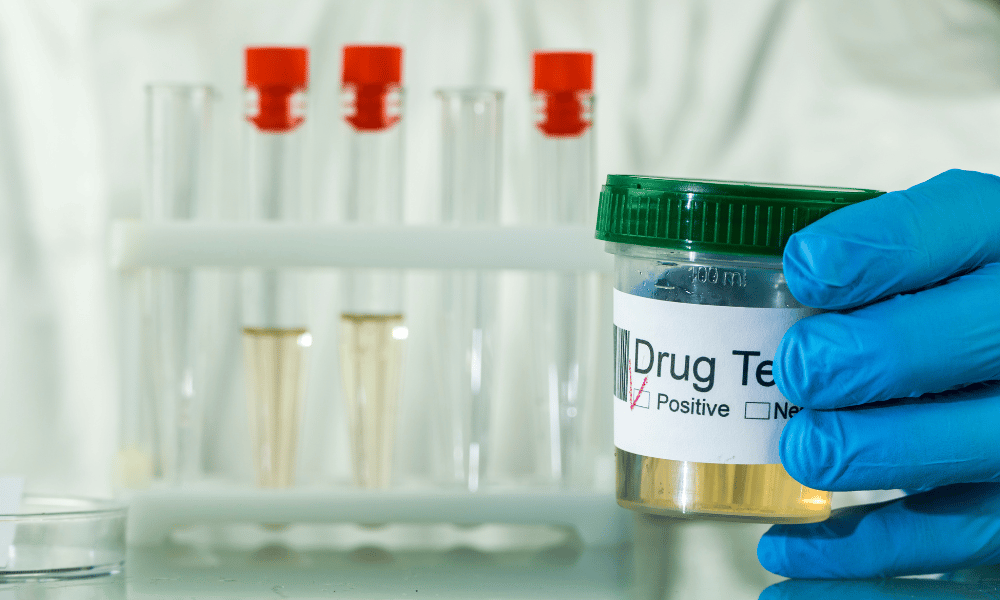
Amphetamine-type stimulants (ATS) emerged as the most detected drugs in Australian workplace tests for the second quarter, according to a new report, which called for a regular review of drug and alcohol policies at work.
The latest Imperans Report from The Drug Detection Agency (TDDA) found that ATS, including methamphetamine, accounted for 59.98% of positive drug tests in the workplace for the second quarter, up 17.9% year-on-year.
ATS are drugs that are able to excite or speed up the central nervous system, according to the United Nations Office on Drugs and Crime. The three main ATS drugs include ecstasy, amphetamine or methamphetamine, and methylphenidate.
In Australia, the highest ATS detection rates were highest in Western Australian workplaces, with 88.6%, followed by South Australia with 78.7%.
Cannabis, commonly known as marijuana, is the second-most detected drug in workplaces, despite a slight 2% decline in the detection rate to 39.39% of positive tests.
Cannabis detection was highest in Queensland with 46.3%. This is followed by Western Australia (39.8%), New South Wales (34.8%), and then Victoria (32.4%).
Opioids, which include oxycodone, were detected in 11.58% of positive workplace drug tests, down 36% YoY, according to the report. Despite the drop, the detection rate remains strong in Victoria with 21.3%.
Cocaine becoming more established at work
Meanwhile, the report found that cocaine, despite only accounting for 8.04% of positive workplace drug tests, is gaining more ground in Australia.
The second quarter saw an 18% YoY increase in detection rate, with the report noting that it is becoming a "persistent component" in detections.
"Cocaine is becoming a more established substance of workplace concern, particularly in the eastern states and South Australia," the report read.
The highest proportion of cocaine detections was recorded in South Australia with 14.9%. This is nearly double the national rate of 8.04%.
South Australia is followed by New South Wales (12%), Victoria (9.6%), and then Queensland (7.3%).
Reviewing drug, alcohol policies
Glenn Dobson, chief executive officer of TDDA, urged employers to regularly review their workplace drug and alcohol policies.
Dobson told HRD that firms that manage workplace substance risks well don't see their drug and alcohol policy as something that's written once and done.
"They review it regularly because workplace risks and substance trends change and, as the Imperans Report continues to show, risk profiles can vary between regions," Dobson told HRD.
"Policies should be developed in consultation with employees, clearly explain expectations and testing processes, and evolve as workplace risks evolve."
These firms also give managers the confidence to intervene early and the training to recognise what 'fit for work' looks like and how to apply the organisation's policies consistently.
"Finally, the strongest programmes balance support with accountability," Dobson said.
"Employees need to know they can ask for help early without fear of immediate judgement, while employers must still meet their obligations to keep workplaces safe. Appropriate testing, whether pre-employment, random, post-incident or for reasonable cause, forms part of that broader framework rather than standing alone."
Ultimately, the CEO said the most effective workplace substance management programmes combine current policies, education, manager capability, appropriate testing and ongoing review.
"They also use the data generated through their own testing programmes to monitor changing risk profiles and identify emerging trends within their own workforce," he added.