
Indeed research and a dozen Sydney HR leaders unpacked how AI-savvy candidates are reshaping recruitment, trust and salary transparency
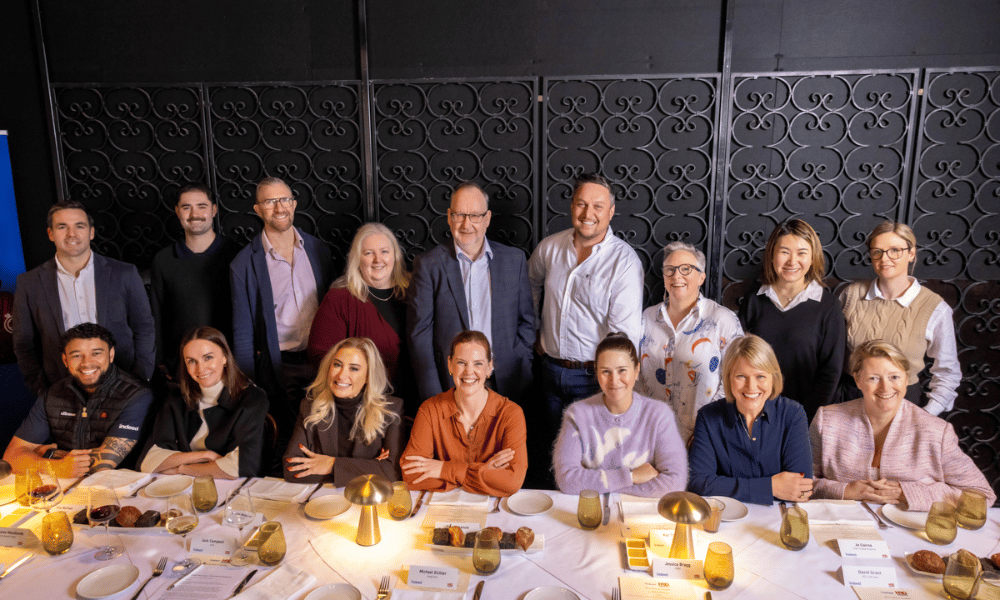
Twelve HR and people leaders gathered in Sydney on 7 July 2026 for a roundtable hosted by HRD Australia in partnership with global job platform Indeed, to examine how artificial intelligence (AI) is reshaping hiring for candidates and employers alike.
The session was built around Indeed's new report, The Artificial Applicant: How Hiring Changed the Candidate, a nationally representative study of more than 1,000 working-age Australians conducted with YouGov in March 2026.
Opening the discussion, Lauren Anderson, Senior Talent Strategy Advisor at Indeed, told attendees the research looked at "how AI is reshaping the way candidates search, apply and present themselves, and what that means for the employers trying to hire them."
The conversation was structured in three parts – how candidates now research employers, how AI has embedded itself in the job search, and what actually builds candidate trust.
How candidates are gaming an opaque system
The first course of discussion centred on a shift in candidate behaviour: 97 per cent of candidates now research a company before applying, and 38 per cent are using AI tools specifically to do it.
Broader Roy Morgan data cited on the day put average AI use among Australians aged 14-plus at 58 per cent, rising to 74 per cent among 35-to-49-year-olds. Attendees were asked to consider how accurate an AI-generated picture of their own employer brand might be, and what responsibility that places on businesses.
Indeed's data shows the behaviour goes well beyond research. Some 41 per cent of candidates use AI to write or refine cover letters, 38 per cent use it to prepare for interviews, 37 per cent use it to rewrite their CV, and 29 per cent use it specifically to try to beat applicant tracking systems.
The volume shift is already straining recruitment teams on the other side of the process – a dynamic the roundtable's attendees said is forcing a rethink of how HR teams triage applications at scale.
"The challenge for recruitment teams right now is volume. AI makes it easier for candidates to apply for more roles, more quickly, and that hits some consultants and some businesses much harder than others," said Anderson.
"It's hard to be critical of candidates for using AI when 46 per cent of those who've received a job offer say they landed it partly because of AI support. Of course they’re going to keep using it. But the signals we've historically relied on to assess people are exactly the things AI can optimise most easily. That's a problem we haven't quite worked out how to solve yet."
AI disclosure remains a sticking point
The second part of the session turned to where employers themselves stand on AI. While 43 per cent of workers say they're comfortable with employers using AI in recruitment, a much larger 79 per cent believe employers should disclose when AI is being used to screen or assess candidates. Attendees were asked directly where their own organisations sit on candidates using AI in applications, and how – or whether – they communicate that stance.
The topic lands in what remains, legally, unsettled territory. As one recent HRD investigation into the legal grey zone widening around AI hiring disclosure found, there is still no explicit requirement for private-sector employers to tell candidates when an algorithm, rather than a person, is making decisions about their application.
The Australian Human Rights Commission's own AI and recruitment compliance checklist offers organisations a starting point for auditing fairness and transparency in automated hiring, though uptake across the sector remains inconsistent.
"Some organisations are already declaring how they use AI in the hiring process, and for some this has been driven by candidate expectations flowing through from international markets. The risk is that when legal and risk teams get involved, which is understandable, these disclosures stop being written for the job seeker and start being written to protect the organisation," Anderson said.
"Plain English gets flattened out, and what's left isn't really transparency at all. Generally though, there was consensus in the room that greater transparency around AI usage is the right direction to go in.”
She continued: "That being said, there's a risk that disclosure becomes a tick-box exercise on both sides. Employers declare it, candidates declare it, and then what? If knowing a candidate used AI isn't going to change your decision, it's worth interrogating what you're actually hoping to get from that exchange.”
Salary transparency named the biggest trust lever
The closing session was the sharpest. Ninety per cent of candidates say they've applied for a role and heard nothing back, while only 43 per cent feel confident that hiring overall is fair and unbiased.
Against that backdrop, 93 per cent of candidates said knowing the salary upfront is a key factor in whether they apply at all – ahead of employer reviews, career progression opportunities, or DEIB commitments as a trust signal.
Roundtable discussed two-pointed questions: how they keep candidates informed throughout a hiring process, and what honestly happens to the people they don't hire.
The framing echoed a theme raised elsewhere in Indeed's report and in related coverage of why talent acquisition shouldn't try to engineer the human out of hiring – that efficiency gains from AI mean little if candidates feel unseen once they've applied.
"What struck me in this part of the conversation was the genuine care in the room. These are people who think seriously about the experience of the person on the other end of their job ad, not just their own hiring outcomes," Anderson explained.
"There were really practical ideas shared, from gamified touchpoints in the candidate journey through to setting clear talent pool expectations from the start, the idea that if you keep us updated, we'll keep you updated. The data tells us that 90 per cent of candidates have applied for a role and heard nothing back. What the room told us is that the people best placed to change that are already thinking hard about how to do it."
A question to close the table
The session ended with a single prompt to the room: what is one thing from today's conversation you're taking back to your team?
Many attendees agreed that transparency is a key component they are going to add to their hiring process.
Another overwhelmingly popular choice was to keep hiring human. While AI is clearly significant in modern hiring, the group agreed that implementation should not come at the expense of connection.
The roundtable's consistent thread was that Australian employers are further along in adopting AI to manage hiring volume than they are in deciding how much of that use to disclose – a gap Indeed's research suggests candidates have already noticed.


