The employer admitted it skipped a step in its own process. It still kept the dismissal
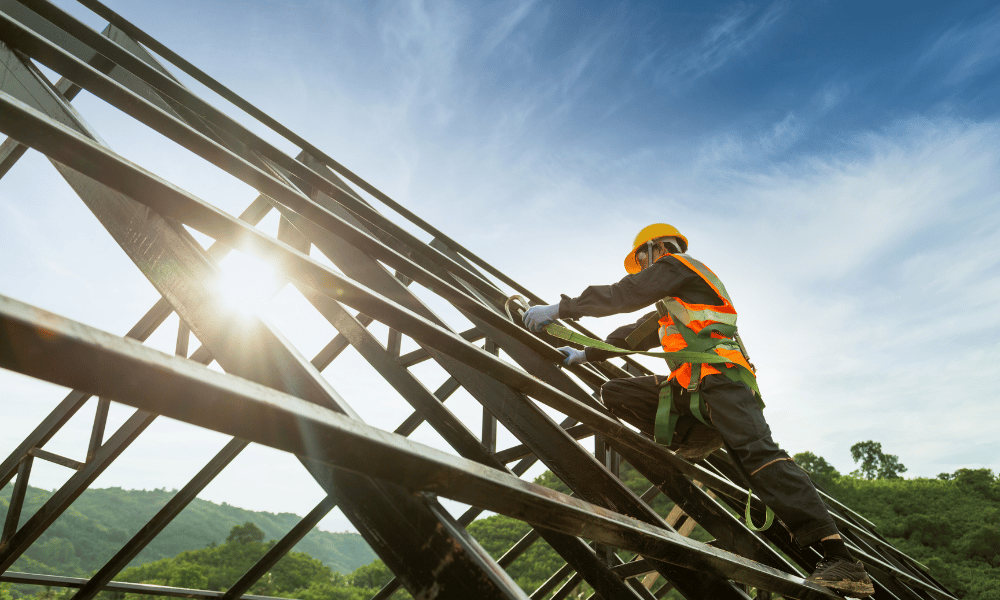
A worker was filmed six metres up with no harness. He was fired the same day - and the tribunal agreed.
In a decision handed down on May 29, 2026, the Fair Work Commission upheld the sacking of a mining electrician who climbed onto the roof of a mobile mining unit, outside the safety rails and roughly 6.1 metres off the ground, with no harness, permit or rescue plan in place.
The ruling is a useful read for any HR or work health and safety lead who has ever wondered how much a procedural slip-up can cost in an unfair dismissal case.
Jamie Hollinshead worked for Murray Zircon Pty Ltd, a South Australian mineral sands and metals miner, from March 2024 until July 2025. On July 14, 2025, while trying to fix a booster pump, he decided to remove an antenna from a Mobile Mining Unit. To get to it, he climbed up and stood on the roof.
A worker from another contractor on site saw him, took a photo, and reported it. The image made its way to Murray Zircon. The next morning Hollinshead was shown the photo and stood down on full pay. By that evening he had been dismissed for serious misconduct.
Hollinshead did not dispute the conduct. He argued the dismissal was harsh, disproportionate and procedurally unfair, and he asked for his job back, pointing to a clean record, full cooperation and a willingness to retrain.
Commissioner Thornton was not swayed. The Commissioner found the company had a valid reason to dismiss. Hollinshead had been trained to work at heights and knew the company's "Golden Rules," which he agreed should never be broken. One of those rules reads: "I will only work at height if trained to do so with fall protection, a spotter and a rescue plan in place." He had none.
The most instructive part for HR is the process - because the employer's was not flawless.
The Commissioner accepted that Murray Zircon skipped a step in its own policy. That policy says an employee should get a chance to explain why termination is not appropriate before a final call is made. The investigation team gathered records, checked his training and pulled past safety cases, but never put that material to Hollinshead or asked him to argue against dismissal before deciding. The company's HR and work health and safety manager agreed in evidence that this had not happened. The Commissioner said it "adds some weight to a finding of unfairness."
It still was not enough. Weighed against the seriousness of the breach, the procedural gap did not tip the result. The entire process took one day, and Hollinshead argued that the speed showed the outcome was decided in advance. The Commissioner disagreed, calling the investigation "thorough and efficient" because the conduct was specific and admitted.
Credibility also cut against him. His written statement the day after the incident said he had completed a "Take 5" safety check and climbed over the handrails. Under cross-examination he said the Take 5 was actually done the next day by his co-worker, and that he had climbed up framework not built for climbing. The Commissioner found the inconsistencies suggested he "was not entirely honest in his reporting of the incident the day after it occurred."
Company size played a role too. Murray Zircon accepted it was large enough, with a dedicated HR department, that it could not rely on the leeway the law sometimes extends to smaller, less-resourced employers.
The takeaways are practical. An admitted, serious safety breach can justify summary dismissal, even on a first offence and even when no one is hurt. A fast investigation is not automatically unfair if the facts are clear and the worker gets to respond. But skipping a step written into your own policy is a genuine risk. Here it counted against the employer, and on a closer set of facts it could decide the case. The lesson for HR: follow your own process to the letter - especially the part where the employee gets to argue against the outcome before you finalise it.