The submissions "read well" - they just didn't make any sense
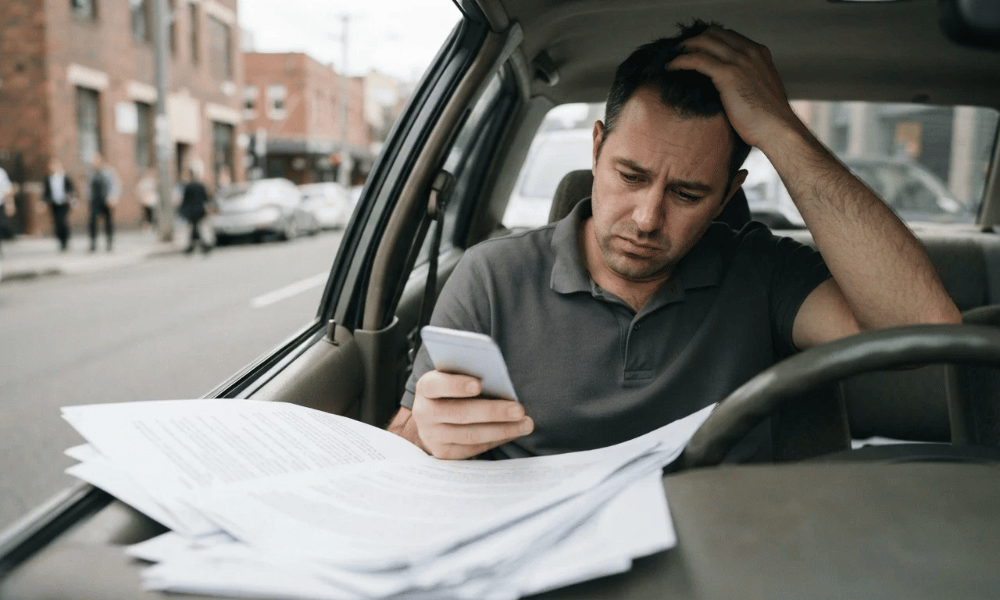
An Uber driver who turned to artificial intelligence to fight his removal from the platform has had his Federal Court challenge thrown out - with the court calling his AI-generated legal arguments "quasi-legal nonsense."
The decision, handed down on November 23, 2026, is one of the first Australian cases to deal directly with a gig worker using a large language model to prepare court submissions under the country's new platform worker protections.
The driver was removed from the Uber platform in September 2025 after four riders complained he had been rude and aggressive. In one instance, according to the judgment, the complaints included allegations of suggestive remarks made to two young women.
Uber issued the driver a preliminary deactivation notice first. In response, he provided several documents, including one the judgment described as a "forensic analysis and accountability report" alleging his "digital and institutional persecution." Uber was not persuaded. The final deactivation notice came on September 21, 2025.
The driver then took his case to the Fair Work Commission under Part 3A-3 of the Fair Work Act - the relatively new framework that gives gig workers on digital labour platforms the right to challenge their removal, much like traditional unfair dismissal protections for employees.
A single member of the Commission heard the matter in January 2026 and dismissed it the following month. The driver sought permission to appeal to the Full Bench of the Commission, which also refused.
He pressed on. The driver applied to the Federal Court seeking to quash the Full Bench's decision, arguing it had made legal errors serious enough to void the ruling. He also disclosed - which the court noted approvingly - that he had used a large language model to help prepare his submissions.
His central argument was that documents Uber had handed over during the case had not been included in the evidence bundle placed before the Commission at the original hearing. The court pointed out that this is entirely ordinary - parties include only the evidence they actually rely on, and it is rare for every document produced in a case to end up in the hearing bundle.
The judgment quoted a passage from the driver's AI-prepared submissions and acknowledged the text "reads well." The problem, the court said, was that "what it is saying does not make any sense."
The driver had advanced three grounds for overturning the Full Bench's decision. The first alleged the Commission denied him a fair hearing by not telling him which documents were before it. The court called this "a dubious proposition" and noted it had nothing to do with the Full Bench decision he was actually challenging.
The second ground claimed the Full Bench asked itself the wrong question. The court found the Full Bench "made no such statement."
The third ground, described as "materiality/legal unreasonableness," was dismissed as nonsensical. The court held that legal unreasonableness does not arise from materiality, and the Full Bench would only have needed to consider materiality if it had been conducting a judicial review - which it was not.
The driver then sought permission to amend his case with fresh arguments. One correctly identified that the Full Bench was required to consider whether his appeal raised a question of public interest. The Full Bench had considered that argument and disagreed. The court found no error in that conclusion.
None of the amendments saved the case.
The court summarily dismissed the entire proceeding, finding the driver had no reasonable prospects of success. It also ordered him to pay Uber's legal costs - a relatively unusual step in Fair Work matters, made on the basis the case was commenced "without any reasonable cause."
The court went further still. It noted the case "raises several red flags" about whether the driver might be a vexatious litigant - someone who could be barred from filing cases without the court's permission. But it stopped short of making that order, observing the dispute was contained to a single matter with Uber and that "there is much to be said for the view that what has perpetuated the present absurdity is a large language model."
For HR professionals and platform operators managing gig workers under Australia's deactivation framework, the case is a practical signal: AI-generated legal filings can extend disputes well past their natural endpoint, but courts will not lower the bar because the submissions sound polished. The costs order also shows that tribunals are willing to penalise unmeritorious challenges to deactivation decisions, even from self-represented workers.