He ignored every deadline, skipped every hearing, and let his lawyers walk away
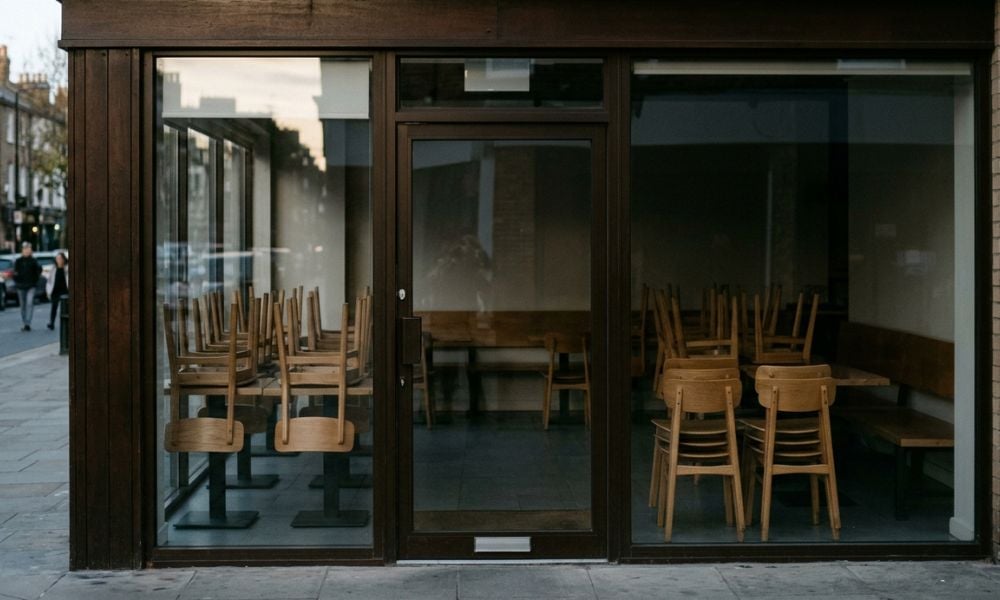
A Sydney restaurant director has been found personally liable for more than $162,000 in unpaid wages after going silent on the Fair Work Ombudsman and the Federal Court.
The Federal Court handed down default judgment on October 21, finding that the sole director of Miso Pty Ltd - a now-deregistered company that operated a restaurant in Haymarket - was personally responsible for systematically underpaying 82 employees over more than two years.
The underpayments totalled $162,514.28 and spanned the period from June 29, 2020 to September 18, 2022.
According to the judgment, the company paid its workers a flat rate of pay. Saturday and public holiday penalty rates, weekday and Saturday overtime, split shift allowances, accrued annual leave on termination - all ignored. The company also failed to keep proper employment records for penalty rates, overtime hours, and leave balances.
The court declared these were "serious contraventions" under section 557A of the Fair Work Act, meaning the conduct was knowing and part of a systematic pattern. That classification matters because it significantly increases the maximum penalties available.
Crucially, the director was not found liable as an employer. Miso Pty Ltd - the actual employer - had already been deregistered. Instead, the Fair Work Ombudsman pursued the director under section 550 of the Fair Work Act, which makes a person who is "involved in" a contravention liable as if they had committed it themselves. The court found that the director, as sole director and secretary, managed all the company's employees and made, supported, or failed to rectify the decisions that produced the underpayments.
How the case fell apart
The Ombudsman filed its claim on January 22, 2026. The director was personally served on February 3. What followed was a slow-motion disengagement.
The director initially sought an adjournment of the first case management hearing, citing regular dialysis treatment for a kidney condition. The court accommodated that and rescheduled. In March, the director appointed IT Lawyers as his legal representatives. Consent orders gave him until April 24 to file a defence.
He did not file one.
His solicitor later filed an affidavit explaining that instructions remained incomplete, attributing the difficulty to the director's end-stage kidney disease requiring regular haemodialysis. The court extended the deadline again - this time to May 29.
On May 27, IT Lawyers filed a notice of intention to cease to act.
Still no defence.
From late May through mid-October, the court and the Ombudsman made repeated attempts to contact the director by telephone, email, post, and attempted personal service. No response came. The director did not attend the June 18 case management hearing, did not file a notice of address for service by June 26, and did not file a defence by July 7 - all as ordered by the court.
Then, on October 13, the court received an email from the director requesting an adjournment of the October 19 hearing, again citing his kidney treatment and a recent hospital emergency visit. The Ombudsman opposed the adjournment, noting it was the first contact from the director since May 27.
The court responded that any adjournment application would need to be made at the hearing itself.
The director did not appear on October 19. He had filed no evidence, no formal adjournment application, and no defence at any point in the proceedings.
The court found the director was in default on three separate grounds: failing to attend hearings, failing to comply with court orders, and failing to defend the proceedings with due diligence. The court noted there was "a real prejudice to the public at large by adjournment of proceedings" and that the public interest demanded prompt resolution.
What happens next
The court ordered the director to pay $162,514.28 in compensation to the Ombudsman, plus pre-judgment interest, within 28 days. The Ombudsman then has 90 days to locate and pay each of the 82 affected employees their individual share.
The penalty question is still to come. The court listed the matter for a case management hearing on February 19, 2027 to set a timetable for the penalty phase. Given the serious contraventions finding, the financial consequences could extend well beyond the compensation bill.
For HR teams and company directors - particularly in hospitality - the case is a plain demonstration that winding up a company does not end a director's personal exposure under the Fair Work Act. Ignoring the proceedings did not help either.