Workplace relationship breakdown leads to formal complaints and investigation
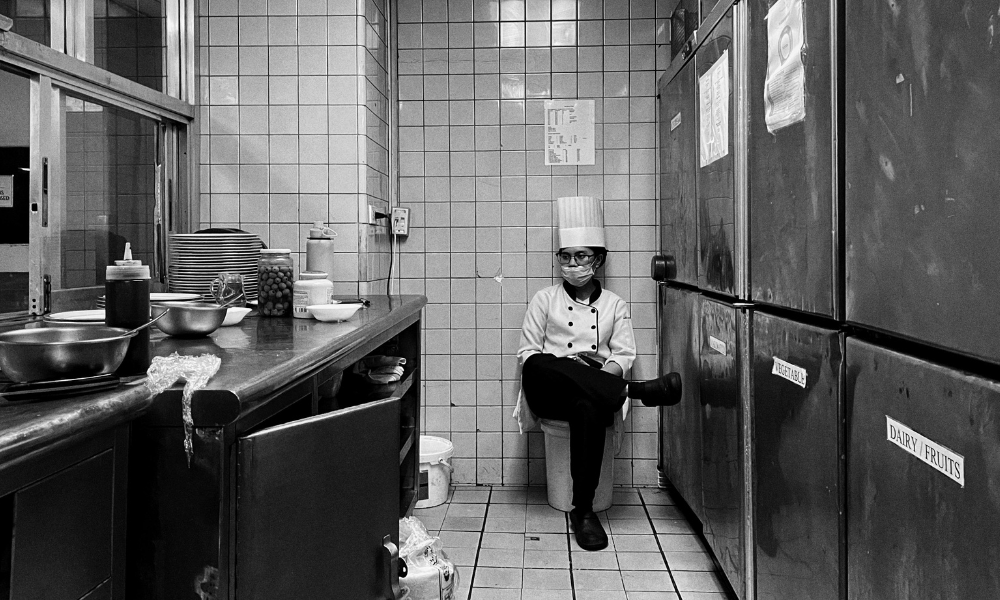
The Fair Work Commission (FWC) recently dealt with a case in which a casual chef's unfair dismissal application was dismissed after the Commission found that valid reasons existed for his termination, following a heated kitchen confrontation and reduced operational requirements.
The case arose when a private club dismissed the worker in April 2025 after an incident involving aggressive behavior toward kitchen supervisors and ongoing workplace tensions with the sous chef.
The worker challenged the dismissal, arguing he received unclear reasons for termination and should have been given warnings rather than immediate dismissal, particularly given his financial hardship and age-related employment difficulties.
The club defended the termination based on misconduct during the kitchen incident and reduced business, requiring fewer casual staff after the holiday period.
The Commission found the dismissal was not harsh, unjust or unreasonable despite acknowledging the worker's difficult circumstances, determining that both conduct and operational reasons provided valid grounds for terminating the casual employment arrangement.
Kitchen tensions escalate between chef and supervisors
The worker commenced casual employment with the club in August 2024, initially working varied hours between two to six shifts per week during busy periods, but reduced to only two shifts weekly from February 2025 onward.
The kitchen operated with a small team, including a head chef, sous chef, and mostly permanent full-time staff, with the worker representing one of only two casual employees.
Workplace relationships became strained between the worker and the sous chef, with both parties providing conflicting accounts of their interactions.
The worker claimed the sous chef acted aggressively toward him but chose not to report this formally to maintain workplace harmony, while kitchen management received informal complaints about the worker's argumentative responses to the sous chef's directions.
The deteriorating relationship created ongoing workplace tension, with evidence suggesting the worker regularly challenged directions and caused disruption through argumentative behavior during his relatively short employment period.
These interpersonal conflicts contributed to a hostile work environment, affecting the small kitchen team's ability to function effectively.
March confrontation triggers disciplinary process
The situation reached a breaking point during a Friday shift on 28 March 2025, when a disagreement over cooking methods escalated into a heated confrontation captured on CCTV footage.
The incident began when the sous chef instructed the worker to place carrots in cold water before cooking, prompting an angry response of "cook the carrots yourself" before the worker abandoned his task.
The head chef intervened and directed the worker to finish his shift within the hour, leading to multiple heated exchanges where the worker refused to comply with reasonable management directions.
During these confrontations, the worker made arm gestures while holding a knife and suggested they "step outside to deal with this," creating safety concerns in the confined kitchen space.
Kitchen supervisors immediately filed written complaints about the worker's aggressive behavior, failure to follow instructions, and negative impact on team morale, requesting urgent management action.
The documented incident provided clear evidence of misconduct requiring a formal disciplinary response from the club's management team.
Disciplinary meeting reveals pattern of misconduct
The club scheduled a disciplinary meeting for early April 2025, notifying the worker of performance concerns regarding inappropriate behavior that potentially constituted bullying and harassment.
The meeting notice explicitly warned that disciplinary action up to termination might be considered depending on the investigation outcome, with the worker invited to bring a support person.
During the disciplinary meeting, the worker did not deny key allegations, including telling the sous chef to cook the carrots himself, asking the head chef to step outside, or refusing directions to go home early.
However, he disputed claims about throwing carrots and alleged that kitchen supervisors had acted inappropriately toward him through demanding behavior and excessive swearing.
The club reviewed the worker's responses alongside CCTV footage before making the termination decision, finding his conduct warranted dismissal despite his counterclaims about supervisory behavior.
The investigation process provided an opportunity for the worker to respond to allegations while maintaining procedural fairness requirements.
Termination reasons create documentation confusion
The club's termination communication created confusion about dismissal reasons through inconsistent documentation across different employment records.
The termination email cited conduct issues and investigation outcomes, while the separation certificate stated the worker was "unsuitable for this type of work," and verbal communications mentioned a lack of available work due to operational requirements.
The club explained that this inconsistent documentation resulted from attempts to avoid impacting the worker's future employment prospects by not explicitly stating misconduct as the primary reason.
However, the worker argued these conflicting explanations made it unclear why he was actually terminated and whether the stated reasons were legitimate grounds for dismissal.
The Commission found the worker was reasonably notified of dismissal reasons despite documentation inconsistencies, noting he was clearly informed about potential disciplinary action during the investigation process and understood both conduct concerns and reduced operational requirements affecting his casual employment status.
Commission rejects unfair dismissal arguments
The Commission determined both conduct and operational reasons provided valid grounds for termination, finding the worker's behavior during the March incident constituted misconduct warranting dismissal when considered alongside his pattern of challenging directions and causing workplace disruption.
The confrontational behavior, safety risks from gesturing with knives, and refusal to follow reasonable management directions supported the conduct-based termination.
Additionally, uncontested evidence showed the club's business naturally declined after holiday periods, reducing operational requirements for casual kitchen staff.
No other casual employees had been engaged since the worker's termination, demonstrating genuine operational changes rather than discriminatory treatment or manufactured reasons for dismissal.
While acknowledging the worker's age-related employment difficulties and financial hardship following termination, the Commission found these personal circumstances insufficient to override valid business and conduct reasons for dismissal.
The casual employment arrangement carried no guarantee of ongoing work, making termination appropriate when operational requirements and misconduct issues coincided.