New procedural rules under the Fair Work Act 2009 to streamline applications, expand digital lodgement and strengthen protections for gig workers
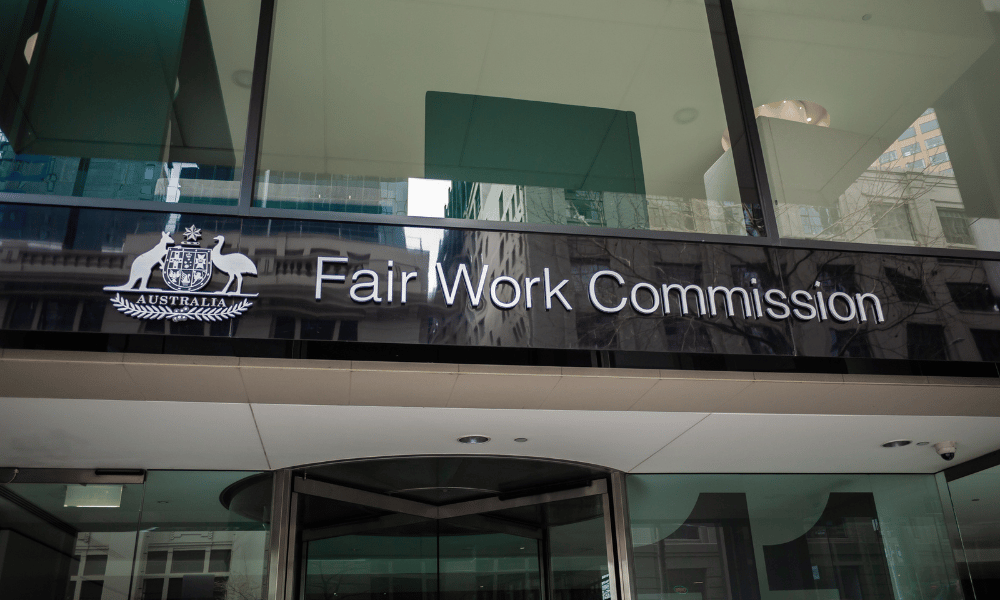
Australia's national workplace relations tribunal has released a draft of proposed rule changes that will affect how employers, employees and HR professionals interact with the Fair Work Commission (FWC), with submissions open until 1 July 2026.
Justice Adam Hatcher, President of the Fair Work Commission in Sydney, published an exposure draft of the Fair Work Commission Amendment (2026 Measures No. 1) Rules 2026. The proposed amendments to the Fair Work Commission Rules 2024 are wide-ranging, touching on everything from digital lodgement systems to new protections for gig economy workers.
What HR teams need to know
The most immediately practical change for HR managers and employment relations specialists is the introduction of the MyFWC electronic lodgement facilities – a new digital system for submitting applications directly to the commission. Under the proposed rules, general protections dismissal applications and unfair dismissal applications would be lodgeable through the new platform, with the system also capable of accepting supporting documents and respondent responses.
The commission has also clarified which document types may be lodged through its existing online lodgement facilities, limiting those to: applications for approval of enterprise agreements (excluding greenfields agreements); general protections applications not involving dismissal; unlawful termination applications; and applications to stop bullying at work.
HR professionals handling enterprise agreement submissions will also need to take note of a new requirement: applications for approval of an enterprise agreement must now be accompanied by a digital copy of the agreement in an "original digital format" – meaning a Word or RTF document, or a PDF exported from word processing software. Scanned documents will not satisfy this requirement. This change is designed to make agreements machine-readable and speed up the commission's approval process.
New response timeframes for employers
The draft rules also introduce firm response deadlines that employers will need to build into their compliance processes. Respondents to disputes about the employee right to disconnect – a right introduced by the Fair Work Legislation Amendment (Closing Loopholes No. 2) Act 2024 – will be required to lodge a response within seven days of being served with an application.
The same seven-day response window applies to applications for unfair deactivation and unfair termination remedies, both of which were created for gig economy and regulated workers under the Closing Loopholes No. 2 Act. For applications relating to regulated labour hire arrangement orders, respondents will have 14 days from the date of lodgement to file a response.
Responses must now also include details of any jurisdictional objection the respondent is aware of – a change that applies equally to unfair dismissal and general protections dismissal applications. HR professionals managing employment disputes should ensure legal advisers are briefed on these compressed timeframes.
Expanded protections for gig and regulated workers
A significant portion of the proposed amendments reflects the expanded functions the commission has taken on since the passage of the Closing Loopholes Acts in 2023 and 2024. The commission now has jurisdiction over minimum standards for "regulated workers" – a category that encompasses employee-like workers in the gig economy such as food delivery drivers and ride-share contractors – as well as persons in the road transport contractual chain.
Under the proposed rules, matters arising under Part 3A-2 (minimum standards for regulated workers) and Part 3B-2 (minimum standards for persons in a road transport contractual chain) of the Fair Work Act 2009 are added to the list of conference and hearing types in which a party may be represented by a lawyer or paid agent without first obtaining the commission's permission. This is a practical recognition that these proceedings involve complex legal and commercial considerations.
Applications for unfair deactivation and unfair termination remedies – which apply where a regulated worker is removed from a platform or has their engagement terminated – may now also be made by telephone, an option previously limited to unfair dismissal and general protections dismissal applications.
Enterprise agreements and collective bargaining
The proposed rules also introduce new requirements for collective agreements – a distinct instrument available to regulated businesses and their worker organisations. A person required to give the commission a consultation notice for a proposed collective agreement must do so by lodging the notice together with a prescribed form setting out relevant information. Applications to register or vary a collective agreement must be served alongside all documents lodged with the application — a procedural fairness requirement consistent with existing enterprise agreement rules.
Applications for unfair contract term remedies – available where a services contract between a business and an independent contractor contains an unfair term – must now be accompanied by a copy of the relevant services contract. This is a straightforward evidentiary requirement that gives the commission immediate access to the document at the centre of the dispute.
What happens next
Justice Hatcher noted in the 17 June 2026 president's statement that a second tranche of amendments is expected later in 2026. That package is likely to include an extension of the response period for general protections dismissal applications from seven to 21 days – a change foreshadowed in the commission's November 2025 statement on general protections processes.
Interested parties may submit comments on the exposure draft to the Fair Work Commission by 4:00 pm on Wednesday 1 July 2026 via email to [email protected].