A relocation clause buried in the fine print decided where these operators have to work
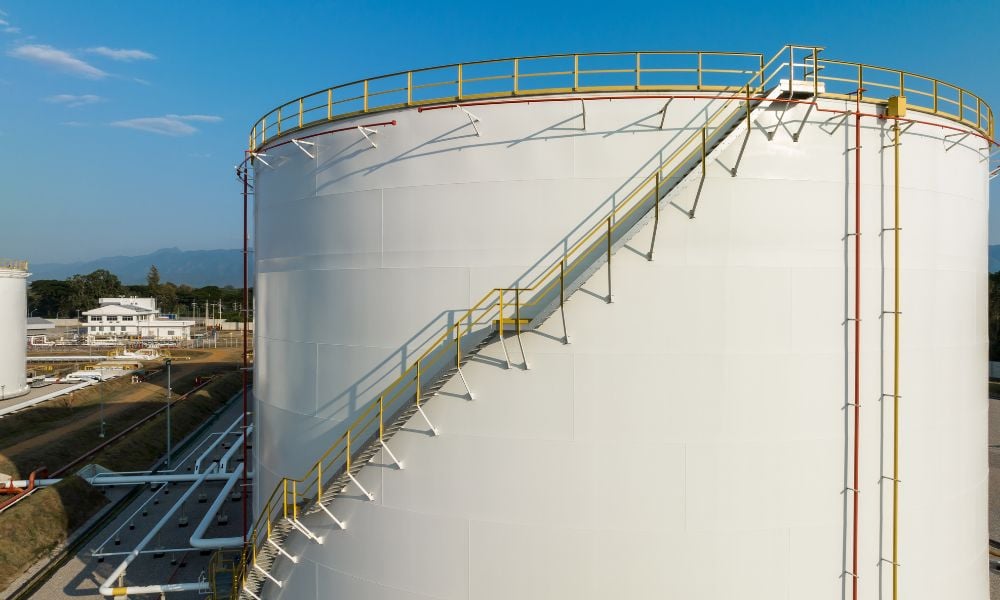
ExxonMobil can require its Altona terminal operators to work at a site seven kilometres away, the Fair Work Commission has ruled.
In a decision dated June 17, 2026, the Commission resolved a dispute over where ExxonMobil's Melbourne terminal staff have to work. The ruling is a useful read for any HR or industrial relations team planning a site merger or staff redeployment.
The setup is simple. Mobil Refining Australia, trading as Exxon Mobil, runs the Altona Terminal in Melbourne's west. The Yarraville Terminal, run by Mobil Oil, sits about seven kilometres away. Exxon Mobil wants to fold the two into one operation, the Melbourne Terminal. Under the plan, Altona operators would start their shifts at Yarraville, then work at either site.
The Australian Workers' Union pushed back. It filed a dispute under section 739 of the Fair Work Act - the section that lets the Commission resolve disputes through an agreement's own procedure - arguing the move broke both the enterprise agreement and the operators' contracts.
The parties put two agreed questions to the Commission.
Could Exxon Mobil direct Altona operators to work at Yarraville, or start there? Yes.
The answer hinged on the contracts. The union leaned on 2007 wording that an operator's "initial position will be a Trainee Operator at the Altona Refinery." But the Commission zeroed in on the General Conditions of Employment attached to each contract. Those said staff "may be required to transfer from one location to another" with at least two months' notice. That term, the Commission found, was binding and in full effect, because nothing in the enterprise agreement clashed with it. Given how long the company had been consulting, the notice requirement was met.
Did Clause 7, a "continuous improvement" consultation process, apply - and did it require staff to accept the change first? No.
The union said Clause 7 demanded broad acceptance from affected operators before the plan could proceed. The Commission disagreed. Clause 7 sets up a team that meets every four months to review performance and develop work-process improvements, built on the Japanese "Kaizen" model of small, incremental change. Merging sites and relocating people isn't a work-process tweak, the Commission found, so it sits outside Clause 7.
The right clause was Clause 36 - which covers "major workplace change," including "transfer of jobs" and changes to the "location of operators' work." Under the rule that a specific provision beats a general one, Clause 36 governed. Exxon Mobil said that consultation had already concluded.
The Commission also rejected the union's argument that a "five-year plan" mentioned in Clause 7.1 meant the merger plan. Reading the wording alongside an earlier 2019 agreement, the Commission found it referred to continuous improvement at Altona, not the site merger.
With both questions answered, the dispute was determined. The decision settled the two interpretation questions the parties put forward; it did not rule on any specific relocation direction beyond them.
For HR, the takeaways are practical. Your enterprise agreement and your contracts operate together - and a tightly drafted relocation clause, even one tucked into general conditions rather than the offer letter, can be decisive. The case also shows the "specific beats general" principle in action: when two consultation clauses could apply, the targeted one usually governs. Before a site consolidation or redeployment, work out exactly which consultation obligation bites, and make sure you've actually finished it.