
Proximity bias becoming one of the most important, yet least understood challenges for HR leaders in the era of hybrid work
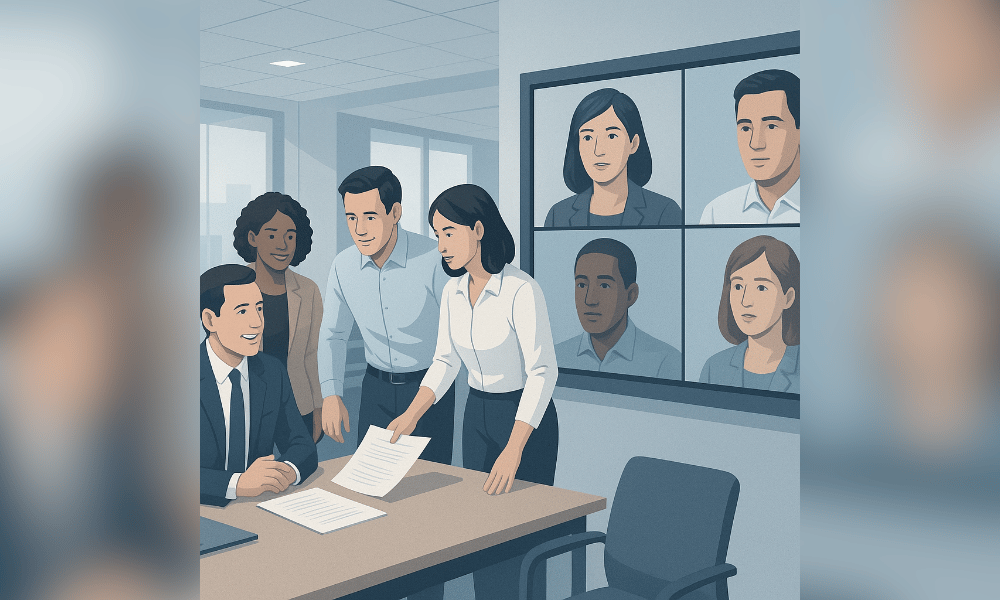
As flexible arrangements become standard, the old “out of sight, out of mind” problem is taking on new forms, with real implications for fairness, engagement and psychological safety.
Melissa Harries, principal psychologist at Mindset Training unpacked the “proximity bias” phenomenon, which she said can lead to team dysfunction and inequality.
She noted that HR teams need to treat it as a genuine psychosocial risk rather than a soft cultural issue.
But what is proximity bias? It refers to the tendency for leaders to favour the people they physically see and interact with more often.
Traditionally, this was purely location-based. If you worked in the same office as the boss – especially near their desk or office – you were more likely to be given interesting work, be invited into key conversations, and seen as committed and high-performing.
In hybrid and remote workplaces, proximity bias hasn’t disappeared – it has evolved. It can now show up as employees who are in the office more often being seen as more engaged or effective.
Work that is more visible (presentations, on-site collaboration, high-interaction roles) could now be overvalued compared to less visible but equally critical tasks.
Further, those who naturally have more touchpoints with leaders (projects, meetings, shared days in office) may receive disproportionate opportunities.
What results is the people that leaders see and interact with most often are at greater risk of being perceived as more capable, more committed, and more deserving – regardless of actual performance.
Harries said that proximity bias often presents subtly in day-to-day decisions rather than through blatant favouritism.
The hidden damage: why HR leaders should care
Harries has seen proximity bias drive significant team dysfunction. The core issue is perceived injustice – when people believe they are being treated unfairly compared with their colleagues.
That perception can trigger a powerful reaction, said Harries: “Why should I do the right thing if that person is doing the wrong thing and getting away with it?”
When employees feel that being “chummy with the boss” matters more than doing good work, the fallout can include:
- Drops in collaboration and cohesion
- Erosion of trust within teams and towards leadership
- Increased conflict, resentment and divisions between “in-group” and “out-group” staff
- Escalations into bullying allegations or harassment complaints
- Psychological injury risks stemming from chronic unfairness and exclusion
In Australia, Harries noted that Fair Work would consider decisions made based on proximity as a psychosocial hazard under the banner of organisational injustice. That puts proximity bias squarely in HR’s remit – not just as a cultural concern, but as a compliance and risk-management issue.
Identify, eliminate
Harries described proximity bias as a “fairly common unconscious bias” in organisations. It often doesn’t appear as overt discrimination but as the “stone that starts the avalanche” – a small but persistent pattern that sets off wider issues over time.
According to Harries, staff commonly report stress related to colleagues getting more support, more visibility or more advantages because they are in the office more and appear closer to the boss.
Importantly, she suggests thinking of proximity bias as the “canary down the well”:
If proximity bias is showing up, it is often a sign that other, more harmful psychosocial hazards – such as poor role clarity, high job demands, low control or inconsistent management – may also be present.
The first step to identifying and mitigating proximity bias is recognising it is rarely deliberate. It stems from unconscious preferences and blind spots.
HR can address proximity bias concerns by building it into leadership development and unconscious bias training and including it explicitly in discussions about hybrid work and fairness.
Data is also important. Reflecting on who is being promoted and why can help to identify patterns.
Leaders can map relationship networks like a “spider’s web”, said Harries. This can help to identify who is suffering from isolation of leadership
For HR leaders, the goal is not to eliminate all informal rapport – that’s neither realistic nor desirable – but to create systems and norms that reduce the impact of proximity on important decisions.
Proximity bias will only become more relevant as hybrid and flexible work arrangements continue to evolve
For HR, this is an opportunity to strengthen trust in leadership by making decision-making more transparent and equitable.
Ultimately, proximity bias isn’t about blaming leaders for being human; it’s about designing systems, habits and awareness that stop everyday human tendencies from becoming structural unfairness.
For HR leaders willing to tackle it head-on, proximity bias can be transformed from a hidden risk into a powerful lever for fairness, inclusion, and sustainable performance in the modern workplace.


