Meaningful support for women going through menopause should also be introduced at work
As Menopause Awareness Month draws to a close, employers are being urged to go beyond promoting understanding of the subject to taking meaningful action that can last throughout the year.
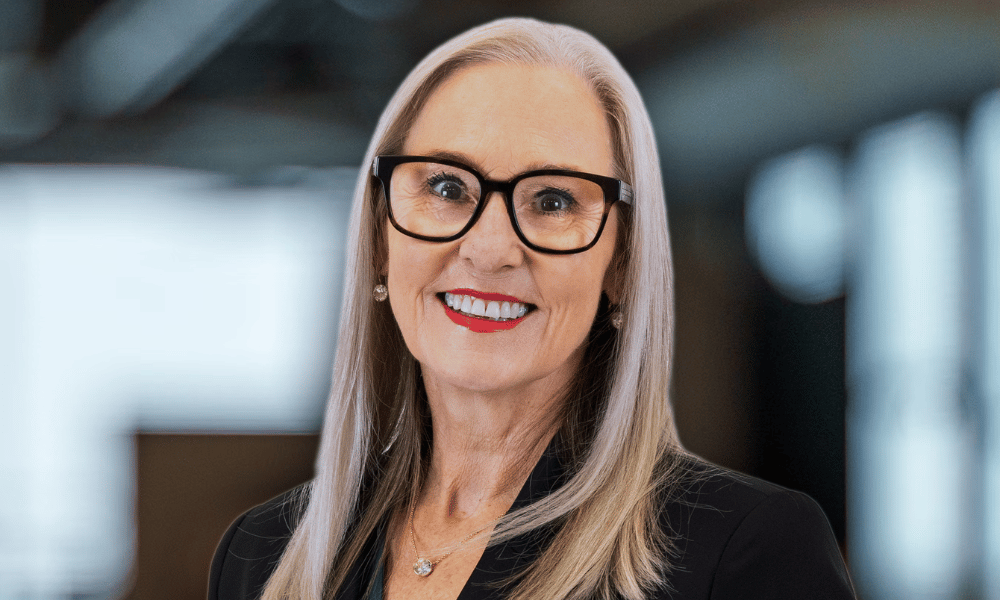
Tracey Broers, Group General Manager Risk at SKG Services, made the call amid the final days of Menopause Awareness Month this October.
"Menopause Awareness Month is a good opportunity to promote understanding, but I would like businesses to use it to introduce meaningful awareness and action that continues throughout the year," Broers told HRD.
"Over time, I have seen greater willingness to discuss health issues that were once considered too personal for the workplace. That is a positive change and menopause should be part of that conversation, with it being up to employees to choose how much they want to share."
SKG Services is an Australian-owned facility management and commercial services firm employing more than 3,500 people. For a company like SKG Services, Broers said the next step is working out how support can work across different sites, shifts and client environments.
"Employers should consult their people, identify practical options and check whether agreed arrangements are helping. Flexible working may be one option managers can consider where a role permits, alongside changes to hours, workspaces, breaks or other working conditions," she said.
Career development must also remain "firmly in view," according to the executive.
"Women bring experience, leadership and valuable judgement to the workplace throughout this stage of life. Menopause should not become a reason to overlook someone for an opportunity or for someone to feel they have to step back before they want to."
How menopause impacts women at work
The Australian Department of Health, Disability and Ageing defines menopause as a woman's "final period."
"You know you have reached menopause when you have not had a period for 12 months in a row, with no other medical reason for it. Your periods stop because your ovaries stop releasing eggs and producing the hormones oestrogen and progesterone," it said on its website.
The experience comes with a variety of symptoms, some of which can be disruptive for women who are working, such as fatigue, trouble sleeping, mood changes and anxiety, among other signs.
The subject remains sensitive in many workplaces despite being a natural part of a woman's life. Data from SEEK last year indicated that 65% of women don't feel comfortable discussing it at work.
Broers said she understands the reluctance that women go through in discussing the subject, having experienced it herself.
"I know first-hand the fatigue, the emotional rollercoaster and the temperature fluctuations," she said. "There were times when a spirited discussion, not even necessarily a confrontation, could leave me close to tears."
She said she would have appreciated the feeling of not needing to hide what she was going through, and without the concern that being tired or emotional could be seen as weakness.
"For me, that is where employers need to start: creating an environment where someone can say, 'I'm finding this difficult at the moment,' without worrying that it will change how their competence or potential is viewed," she said.
"Practical support matters, too. I would have valued access to an Employee Assistance Programme (EAP), greater flexibility around my hours and some choice about my working environment. My sensitivity to noise increased, for example, so access to a quieter space would have helped."
How should managers handle it?
Managers are usually the first point of contact for women when they go through menopause, and Broers advised that these leaders should approach the matter with openness and understanding.
"I would have appreciated hearing: 'Thank you for telling me. You don't need to apologise. What would make things easier for you at work?'" she said.
"That response acknowledges the person without making the conversation more uncomfortable than it needs to be, especially when someone may already have spent weeks deciding whether to speak up."
She also acknowledged that managers don't need to have all the answers immediately.
"They can say, 'Let's look at what we can arrange,' or, 'Would it help to speak with HR or access confidential support?' An EAP can offer emotional support, while questions about symptoms and treatment belong with a health professional," she added.
The biggest sin for managers would be minimising women's experience, making jokes about them, offering unsolicited medical advice or assuming every woman will need the same thing, according to Broers.
"Managers should also avoid interpreting tears as evidence that someone cannot cope with their role. An emotional moment does not erase years of experience or sound judgement," she said.
"Agree on practical next steps, explain who may need to be involved and arrange a follow-up. The employee should leave knowing what will happen next."
Broers said one of the encouraging changes she has witnessed in workplaces is that menopause, mental health and other health concerns are being discussed more openly.
"We need to give managers the confidence and skills to respond well when those conversations happen," she said.
An awareness session is one way to equip managers with the right skills to handle these subjects, as well as having strong female representation in leadership in order to foster opportunities where women can speak openly about experiences that may have previously remained private.
"Structured menopause awareness training is a useful part of educating a workforce and within this I'd focus on using examples that reflect your workforce," Broers said.
"For example at SKG, we use: a cleaner finding heat difficult during physical work, a security employee managing disrupted sleep across shifts, or a manager needing a quieter space to concentrate."
Broers said her own experience has reinforced how much understanding in the workplace matters.
"I would have appreciated knowing that I could ask for support without feeling I had to prove that I was still capable, committed and ambitious," she said.