Expert warns that employers may be overlooking its impact on female employees
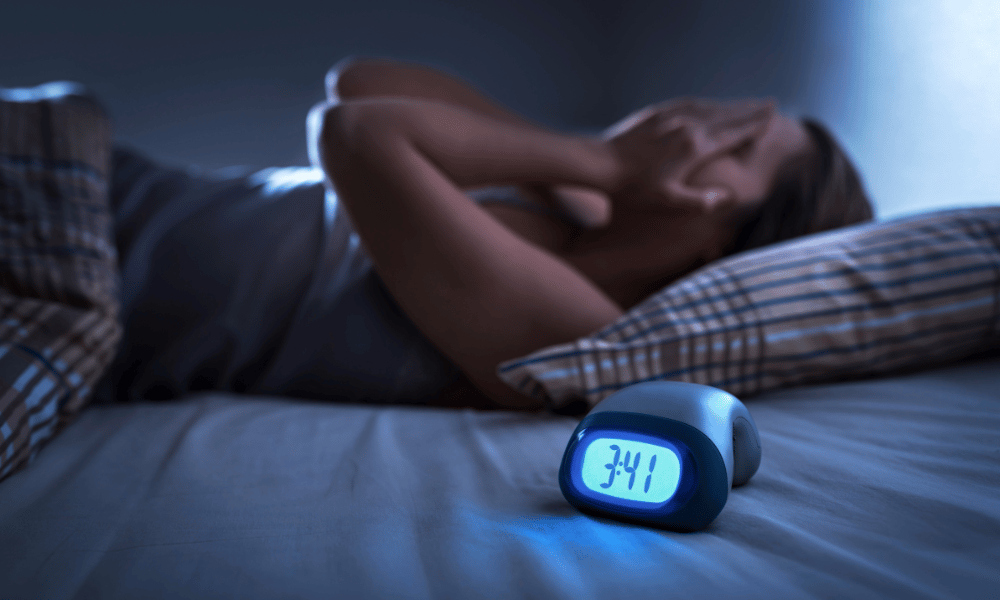
Employers across Australia are being urged to recognise how symptoms of menopause and perimenopause can impact female employees, as an expert warned that fatigue related to these experiences can disrupt women at work.
Katrina Aubrey, fatigue and sleep specialist at AutoSense, said employers tend to overlook how common sleep disruption and fatigue are among women during perimenopause and menopause.
"Employers may mistake fatigue, forgetfulness, or difficulty concentrating for poor performance, without recognising that menopause-related symptoms could be contributing," Aubrey told HRD.
She stressed that when a woman in her 40s or 50s starts experiencing fatigue, there may be more going on than simply not getting enough hours of sleep.
"Hormonal fluctuations can affect sleep regulation, while night sweats and frequent awakenings can interrupt sleep throughout the night," Aubrey said.
"A woman might spend eight hours in bed but only achieve six or seven hours of actual sleep, leaving her feeling unrefreshed the following morning."
Menopause in workplaces
Menopause refers to a woman's final menstrual period, confirmed once she has gone 12 consecutive months without a period and with no other medical cause, according to the Department of Health, Disability and Ageing. Perimenopause is the time leading up to and just after it, when hormone levels fluctuate.
In Australian workplaces, Aubrey noted that conversations surrounding these topics remain limited, citing a SEEK report that found 73% of women have not told anyone at work about their menopause symptoms because of discomfort around the topic.
October has been designated as Menopause Awareness Month, dedicated to raising global awareness about menopause and breaking stigmas surrounding it.
As Australia marks the month, Aubrey noted that education is a "really important starting point" for employers in recognising the impact of menopause on women.
"Employers should recognise that these symptoms can affect how someone feels and functions at work," she said.
"I would encourage a supportive conversation focused on fatigue and workplace safety, rather than making assumptions about the cause. Practical adjustments might include reviewing shift patterns, providing additional breaks or allowing some flexibility where possible."
Making women feel safe at work
But beyond the topic of menopause, Aubrey said it is critical that workplaces foster a culture where women don't have to give a reason for their fatigue.
"Women shouldn't feel they need to disclose personal medical details to receive support. Sometimes simply being able to say, 'I'm not sleeping well and I'm struggling with fatigue,' and knowing they will be taken seriously is a really positive starting point," she said.
"Ultimately, menopause-related fatigue should be recognised as a genuine workplace health and safety consideration, rather than something women are simply expected to push through."
She made the remarks as she pointed out that sleep health can also contribute to fatigue.
"Sleep apnoea becomes more common after menopause, so we shouldn't automatically assume all sleep problems are caused by hormonal changes," she said.
"The important thing is recognising fatigue early and managing any safety risk while supporting the worker."