Union slams redeployment offer of just 170 roles as administrators reveal $459 million in debts
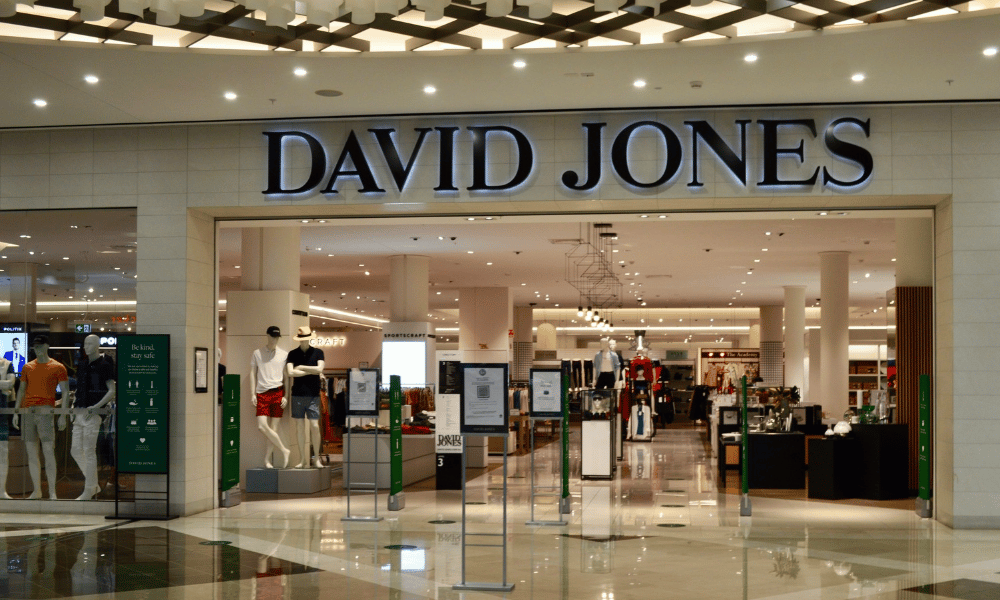
David Jones will cut about 1,500 jobs in its first round of redundancies. The collapsed department store chain is shutting 19 of its 38 stores across Australia, and those stores are expected to stop trading by the end of 2026.
Receivers FTI Consulting met the Shop, Distributive and Allied Employees Association (SDA) earlier this week. According to the union, 1,689 directly employed workers at the closing stores are affected and only 170 will be offered redeployment.
Bernie Smith, NSW secretary of the SDA, said the union was “very disappointed” with the offer.
“We are very disappointed that of the 1,689 jobs of directly employed David Jones workers at risk in the 19 stores set to close the company is only offering 170 job redeployments, barely one in ten,” Smith said in a statement.
He blamed the job losses on “bad management decisions and initiatives going back years, if not decades”. He said the union was pushing administrators and receivers to make sure redundant workers receive their full financial and legal entitlements.
The SDA is also talking to other retailers about hiring affected staff. “We have had discussions with several retailers regarding job opportunities who are keen to employ a number of David Jones workers whether it is in the coming weeks or post Christmas,” Smith said.
What David Jones owes its employees
Administrators McGrathNicol held the first creditors’ meeting on 17 November. They revealed liabilities of about $459 million. The 188-year-old retailer went into administration on 5 November 2026.
Creditors include:
- 6,242 employees, owed about $11 million in annual leave, long service leave and redundancy payments
- about 940 unsecured creditors, owed $180 million
- about 802,000 gift cardholders, owed about $33 million
- lenders, including about $155 million owed to British lender Hilco and $80 million to Sydney private equity firm Anchorage Capital Partners
David Jones also recorded a $228 million net loss in the 2025–26 financial year, with a further $69 million in losses since July.
Smith said affected workers had already received their superannuation entitlements, which he credited to the Albanese government’s legislation requiring super to be paid every payday.