
Amy Cappellanti-Wolf, chief people officer and executive vice-president at Dayforce, likens the transformation taking place in HR data and analytics to going from reporting on the weather to forecasting and predicting future events.
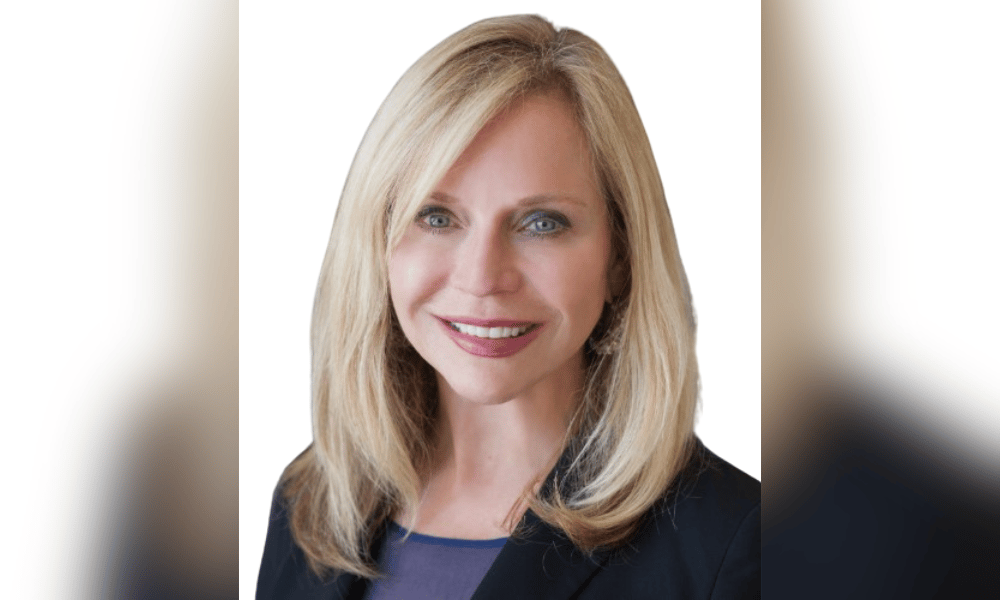
While data has been a “game changer” for HR in the past 15 years, according to Cappellanti-Wolf, AI is transforming people analytics into powerful real-time insights—predicting future performance based on today’s metrics in everything from employee engagement to turnover.
“I think the big opportunity is about not only how to report the weather, which I think we should be pretty good at by now. It's more about how you have great predictive HR analytics that empower you to think about future workforce scenarios and help us be more proactive versus reactive,” she told HRD.
“How do you use it in a way where it's going to help you inform business decisions, especially when it comes to high-performing workforces?
“I think people, CHROs, really need to think about how you can use [data] to reveal insights on workforce trends like headcount shifts, workforce planning, pay equity—which is a big one—attrition or turnover of top talent, to make certain you've got a healthy pipeline for growth, but also managing performance in the organisation.”
A Korn Ferry Insights survey of CHROs released earlier this year found 74% of CHROs indicated their HR analytics capabilities maturity was basic or descriptive only, and only 18% of CHROs believed their organisation consistently uses data analytics to drive better people-related decisions.
Cappellanti-Wolf said this may relate to the integration of data and not having consistent data to work with, and some companies may still be struggling with data management.
AI and HR Analytics
Cappellanti-Wolf, who oversees a workforce of 10,000 employees globally, believes AI will be a “huge enabler” in HR analytics but is quick to warn there must be a human side to interpret and fact-check what the AI is saying.
“I think AI is going to take out the manual workarounds, take out the human errors as it gets smarter,” she said.
“And I think it's also going to free up the time we need to do the things that we sometimes can't get to because we're mired in the daily manual manipulation of the data.”
For Cappellanti-Wolf, this means being able to go beyond basic reporting such as how many requisitions are open, what is the headcount, attrition rates, and demographics, and being able to deliver insights and strategies, potentially in real time.
“Let's talk about sentiment and predicting people based off their responses and pulse surveys that have a likelihood of leaving,” Cappellanti-Wolf says as an example.
“Looking at sales professionals and being able to understand, based on someone's first four months of getting onboarded, their proficiency levels to be able to get to a level of eventually retiring their quota—so looking at future performance based on today's metrics.
“I think AI is going to open up a lot of doors because I think a lot of this has not been available to us, and so we've been either leveraging data scientists or platforms that can only take you so far, and I think AI-powered platforms are really going to, one, help drive cleaner data, but two, provide different ways to manipulate it that don't take six months to do.
“As an HR leader, it’s always, ‘How do I get the data right?’ Sometimes it's because of fragmented systems, but it is also about how do I assess the data in a way that is usable, and I think AI is going to help us do that faster and easier.”


