The issue of psychosocial risk is in the spotlight after the regulator stepped in during a restructure
SafeWork NSW's issuing of a prohibition notice to the University of Technology Sydney (UTS), which forced a temporary halt to planned job cuts amid allegations of potential psychological harm to staff, has highlighted the growing focus on psychosocial risks in the workplace.
While the prohibition notice has been lifted, the move has put employers on notice about compliance with legal and regulatory obligations in managing risks of psychosocial hazards, particularly during restructures and redundancy programs.
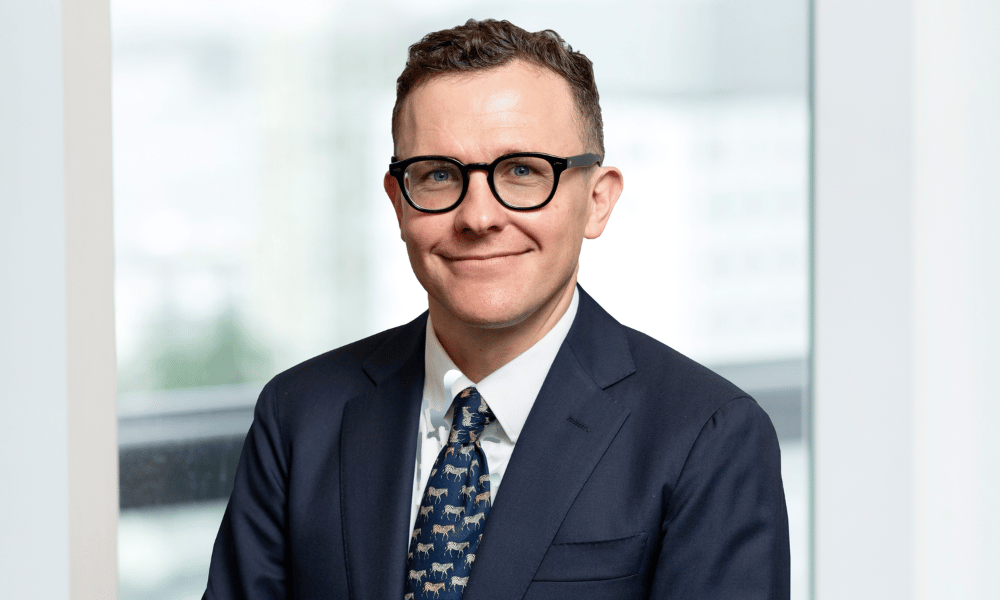
HRD spoke to leading employment lawyer Julian Arndt, director at Australian Business Lawyers & Advisors, about potential implications for employers of the SafeWork intervention.
“I think this story, whether intentionally or not, is publicising the regulator's role, publicising the importance of managing psychosocial risk and providing a message and, in a sense, a warning to employers undertaking these types of processes that they need to have regard to psychosocial hazards, that they need to have regard to these things in making those decisions,” Arndt told HRD.
“Since around 2021, the law started to change, and codes of practice and regulations started to be introduced that put the focus on psychosocial hazards as an important work health and safety concept.”
“Work health and safety is generally well understood in relation to physical risks, physical injuries. It's newer or more prominent in relation to psychological injuries and employers now should, when they're undertaking big change projects or even small change projects, have regard to psychological injury before they do what they intend to do.”
Arndt said he believes the ramifications of SafeWork’s intervention in the UTS process will have far broader reach than the threat of prohibition notices during major restructures or large-scale redundancy programs.
“I think practically, resourcing-wise, we're not going to see thousands of prohibition notices issued to stop redundancies processes that happen every day, but I do think the publicity around the issue will affect the employee-employer dynamic in the more stressful redundancy scenarios” he said.
“I think it’s much more likely that employees and unions and those who represent employees will make claims during a process to say, ‘this is putting my client or my member or myself at risk and therefore it needs to be paused’.
“I think employers will start to receive a lot more threats that the regulator will be involved and that the employee, union or employee representative is going to go to the regulator with a complaint, maybe even a request that certain meetings don't happen because to have the meeting would be to expose the employee to psychological harm.
“(The regulator) can't involve itself in every conversation that employees have with employers that give rise to psychosocial risks. But I'm sure the UTS example will be used as leverage for employees and unions and employee representatives to slow down processes, to try and stop processes, and potentially in termination-type processes to leverage better outcomes for people financially.”
“That strategy is and will be used in a range of scenarios beyond redundancy processes and would extend to misconduct and performance related investigations and meetings.”
“The allegation that if we continue in this process, I'm going to be subject to psychological harm, is very often a valid allegation because all of those types of processes are so inherently stressful.”
Considerations for employers
“I think employers, at least historically in redundancy situations, have had a tendency to look at employment and industrial instruments for the relevant minimum standard, for example, an enterprise agreement that says you have to consult in a certain way or a modern award that says you have to consult in a certain way and say, ‘if we tick that box, that's what we have to do and we will be okay’,” Arndt said.
“There is increasingly another layer to the assessment which goes to the question of whether the process will give rise to psychosocial risks, even if the process itself is industrially acceptable."
“My experience suggests that the vast majority of employers are trying to treat their employees with dignity and trying the best they can to have difficult conversations with them in a constructive and safe way.”
Arndt believes there will be concern among employers because psychological harm and the nature of psychosocial risks are usually harder to identify or assess than traditional physical safety risks.
He said stress was an inherent part of all jobs in a way that physical risks were not.
“I think there will be employers and interested parties who will be quite worried about the intrusion of people like the regulator into a business's ability to make its own decisions on the basis of these types of risks” he said.
“Managerial prerogative to, for example, reduce the number of employees it has or change the operations or change the process or the operations that it undertakes for commercial reasons only to be met with claims that well to do that is going to endanger people psychologically.”
“Obviously, employee safety is paramount, and psychological safety is a real thing,
and people's mental health and their psychological wellbeing is part of their health.
And that's a legitimate thing to protect and employers should have regard to the psychological safety of their employees. I don't think anyone disagrees with that.”
“The problem is that there are inherent psychological stresses and risks that come with being in any workplace, and that there is no way to totally eliminate those risks, particularly when you are talking about conversations about whether someone will remain employed.”
“The difficulty arises because redundancy processes are usually undertaken for necessary and legitimate commercial reasons. To suggest that those processes can’t proceed because of employee safety is a really significant step. It’s going to be interesting to see the pushback against it.”
“It's about drawing a line at a point where you can find a balance as to how you can allow businesses to operate and allow businesses to run while at the same time keeping the employees safe. And there's just something about psychosocial hazards which makes that line quite difficult to identify.”